
 English
  Tiếng Việt
 In emergency situations, maintaining stable communication is crucial for the success of rescue and relief operations. Satellite phones are one of the important tools in these missions, especially when conventional communication methods cannot be used. In this article, we will explore theapplications of satellite phones in rescue and relief, as well as why this device has become the top choice in emergency situations.
- Installation of Beam Iridium Satellite Signal Booster Antenna on Bach Long Vi Island
- Installation of the Portable Starlink Mini Kit in Tam Dao district, Vinh Phuc province
- SAILOR 6310 150W MF/HF Marine Transceiver
- Cost of using a satellite WiFi hotspot: Is it budget-friendly?
- How to use a satellite WiFi hotspot when there is no cellular service?
A satellite
1. What is a Satellite Phone?
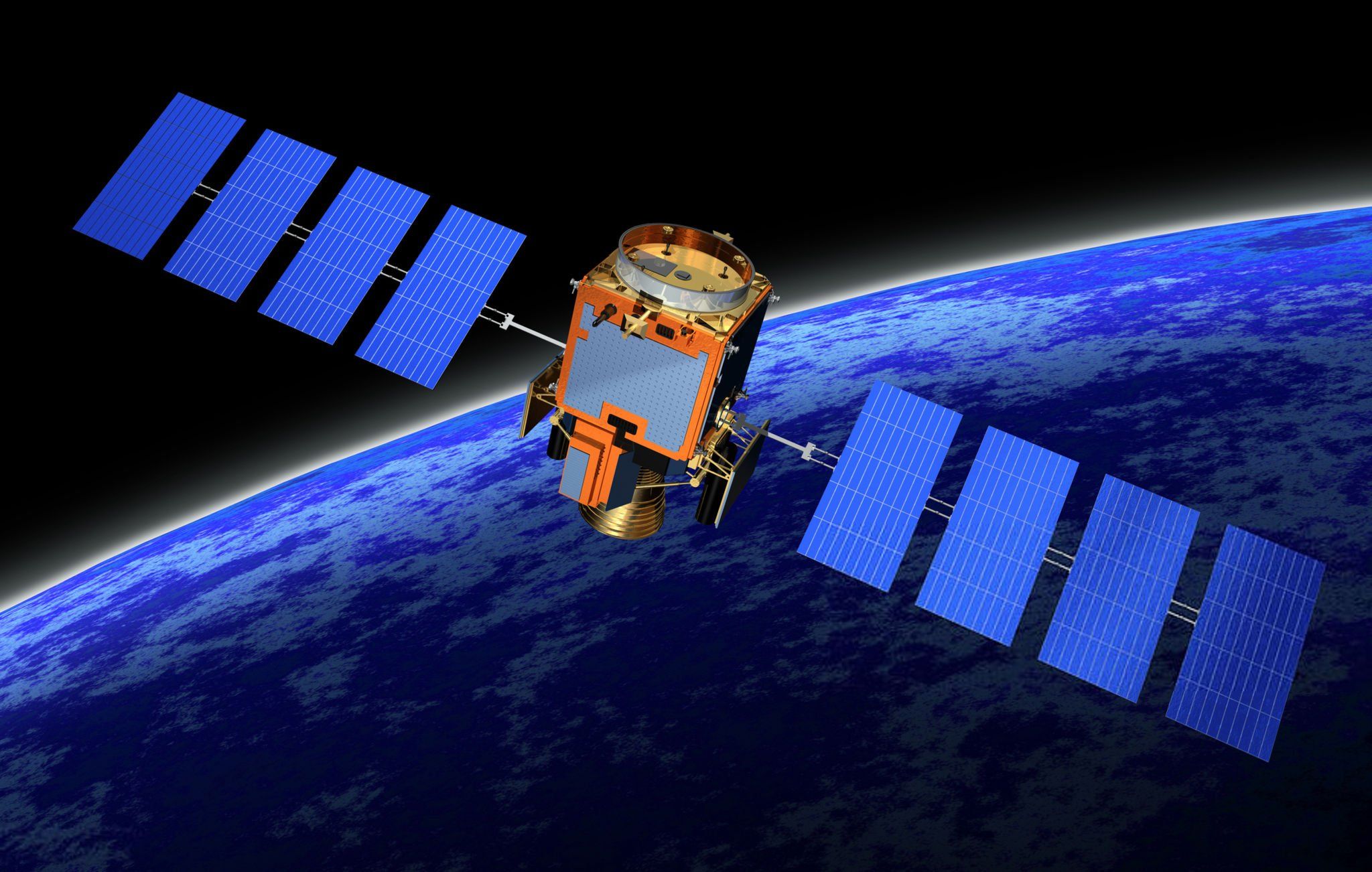
A satellite phone is a communication device that uses signals from satellites instead of terrestrial base stations. This allows satellite phones to operate anywhere on Earth, especially in remote and isolated areas where there is no mobile signal or telecommunications network.
A satellite phone is not just a tool for exchanging information, but also a device that helps maintain communication in critical situations or natural disasters. This has made satellite phones an indispensable part of rescue and relief operations.
2. Satellite Phones in Rescue and Relief: Why are they the Optimal Choice?
Robust, Stable Communication in All Conditions
One of the main reasons why satellite phones are widely used in rescue and relief operations is their ability to maintain stable communication in all weather and geographical conditions. Whether in remote areas, on mountaintops, in the middle of the sea, or in dense forests, satellite phones can ensure uninterrupted signal.
In natural disaster situations such as storms, earthquakes, and floods, where mobile networks are damaged or have no coverage, satellite phones remain an effective solution for rescue forces to communicate with each other and with relief centers.
Communication in Areas Without Telecommunication Infrastructure
During rescue and relief operations, rescue teams often work in areas without telecommunications networks, such as mountainous regions, remote islands, or areas isolated by natural disasters. Satellite phones are ideal devices for these situations because they do not depend on ground-based telecommunications infrastructure.
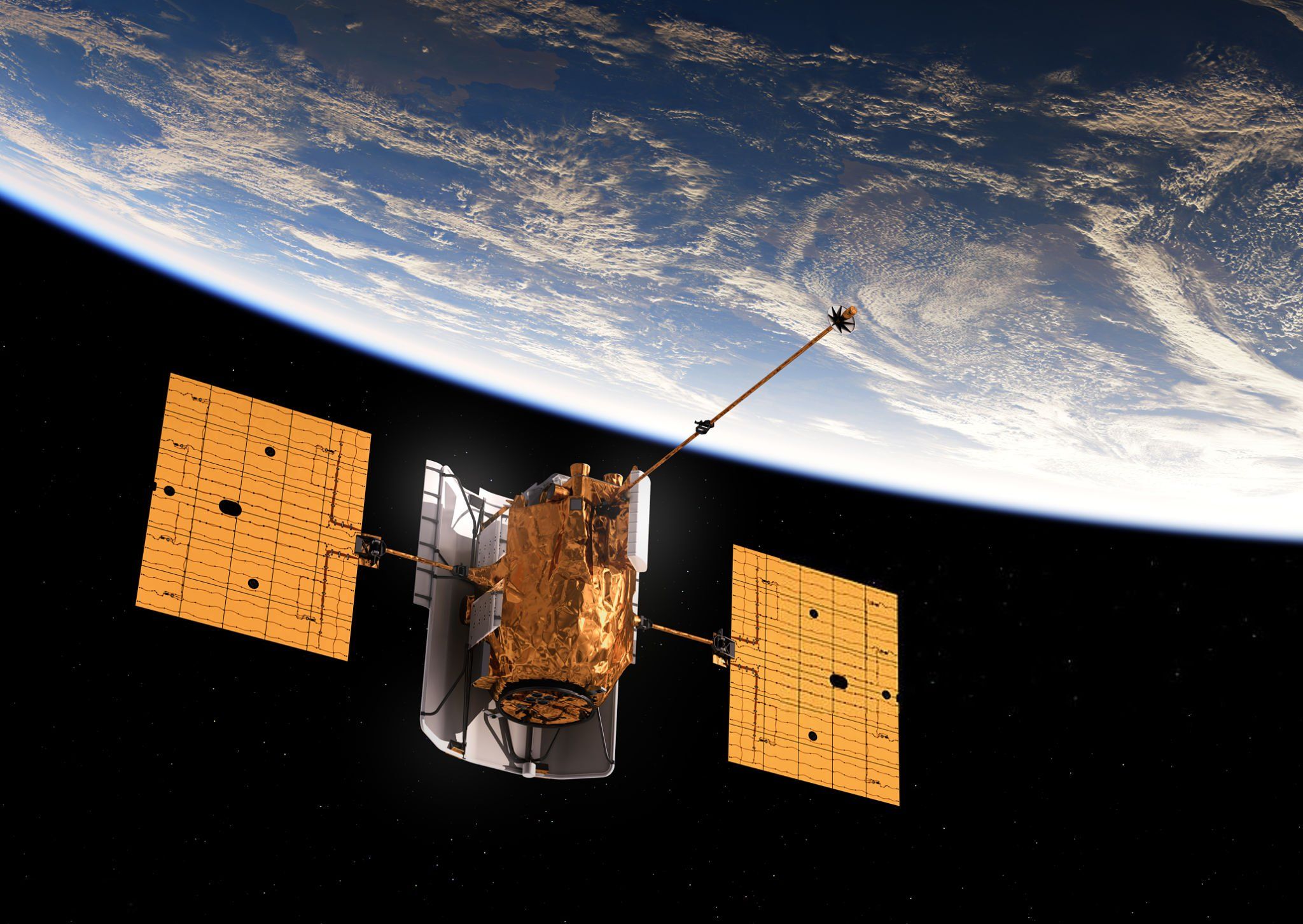
With a clear line of sight to the sky, satellite phones can connect directly to satellites in space, helping to maintain communication between rescue teams, thereby increasing the effectiveness of relief efforts.
Mobility and Ease of Use
Satellite phones are designed to be compact and easy to use, a very important factor in emergency rescue environments. Rescue teams can easily carry these devices, use them quickly and effectively, without the need for professional technicians to operate them.
Furthermore, satellite phones have the ability to operate for extended periods with a stable power source, making them well-suited for rescue operations lasting many hours or even days.
3. Specific Applications of Satellite Phones in Rescue and Relief
Search and Rescue for Missing Persons
In search and rescue operations, satellite phones play a crucial role in communication between search teams, ensuring information is transmitted accurately and promptly. Satellite phones help determine the location of missing persons through communication signals and satellite positioning, increasing the chances of finding victims in difficult conditions.
Disaster Rescue
When natural disasters such as earthquakes, storms, and floods occur, mobile phone systems and telecommunication networks are often disrupted. Satellite phones help rescue forces maintain communication with command centers and other rescue teams, coordinate relief efforts, and ensure the safety of victims. Additionally, satellite phones are used to warn affected areas to minimize damage.
Maritime Rescue
Satellite phones are also an indispensable tool in maritime rescue operations. Rescue ships and aircraft can use satellite phones to communicate in remote areas or when there is no signal from ground stations. This helps rescue teams determine the location of distressed vessels and devise a rapid approach plan.
4. Benefits of Using Satellite Phones in Rescue and Relief Operations
- Ensure continuous communication in all weather and geographical conditions.
- Independent of terrestrial telecommunication networks, especially in areas without telecommunication infrastructure.
- Easy to use and portable, suitable for rescue operations in difficult conditions.
- Long-distance communication capability, helping to connect rescue teams from multiple locations.
A satellite
5. Conclusion
Satellite phones are not just communication tools in ordinary environments, but also play an extremely important role in rescue, and relief operations.. With stable performance in all weather conditions and independence from terrestrial telecommunication infrastructure, satellite phones are the optimal choice to help rescue teams maintain communication and coordinate timely relief efforts. If you are involved in rescue operations or need communication equipment in harsh environments, satellite phones will be an indispensable tool.