 English
  Tiếng Việt
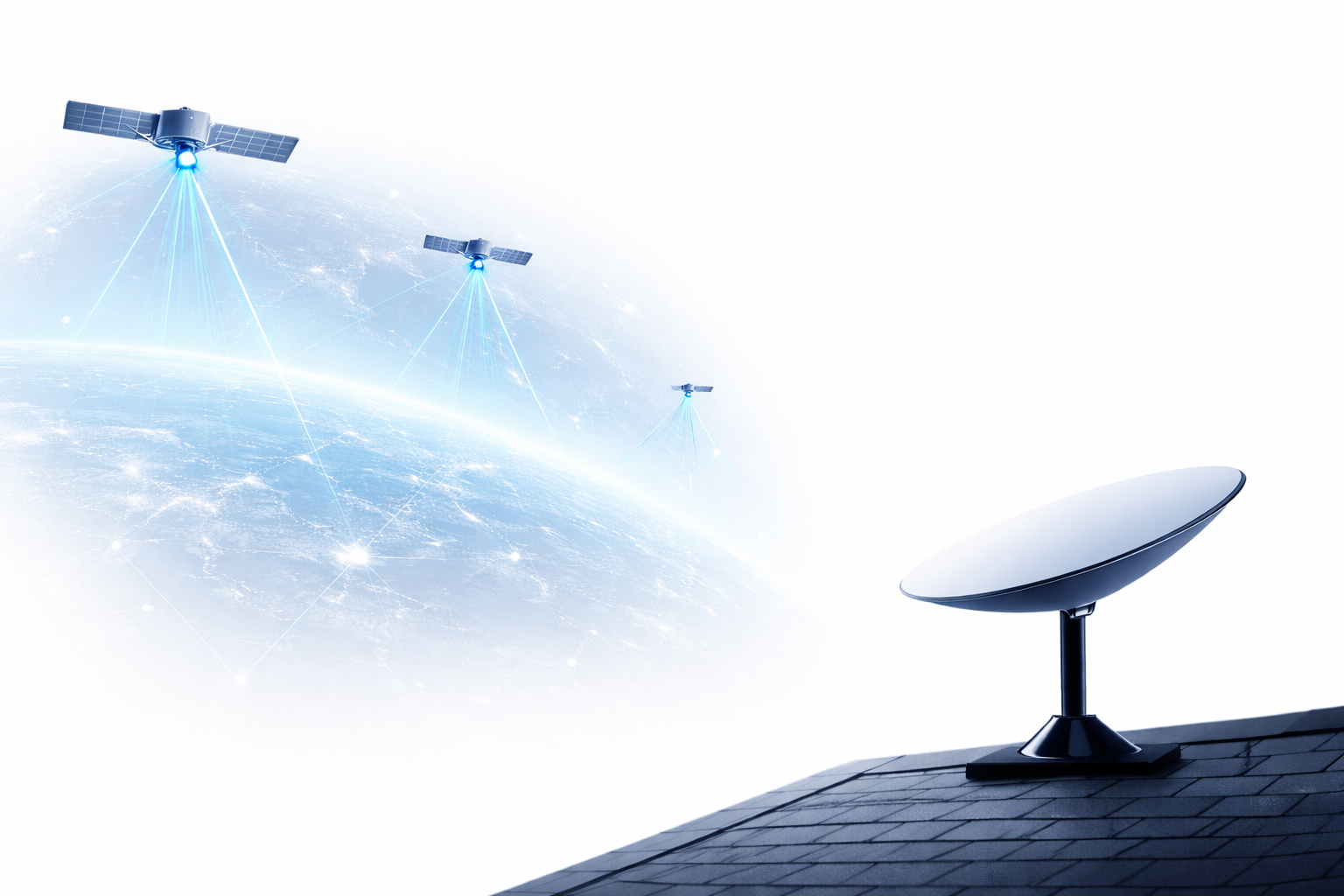
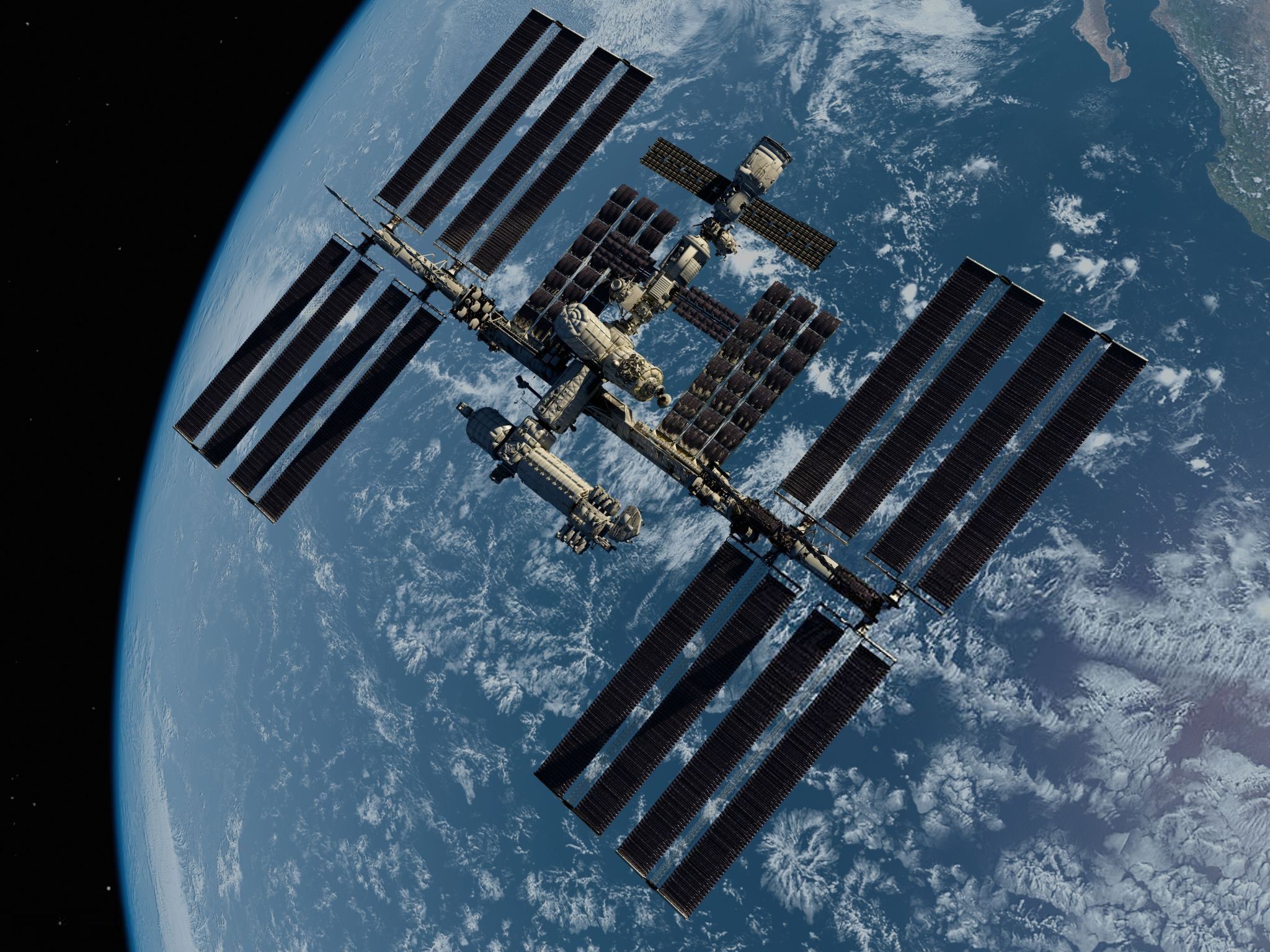
 Satellite phones are important communication devices, especially in remote areas or when conventional communication methods cannot be used. One of the common questions is whether "satellite phones" can operate effectively in "bad weather" conditions. In this article, we will explore the operational capabilities of satellite phones in extreme weather situations and the factors affecting their performance.Satellite1. What is a Satellite Phone?A satellite phone is a type of communication device that uses satellites in space to transmit signals, instead of using ground-based transmission stations like mobile phones. This allows satellite phones to operate anywhere in the world, including areas without traditional telecommunications networks.Thanks to direct connection to satellites in space, satellite phones can maintain communication even in remote areas, mountainous regions, or places where other communication methods cannot reach. However, when encountering bad weather such as heavy rain, storms, snow, or dense fog, the device's performance can be affected.


Satellite
Rain and Snow
Heavy rain or heavy snowfall can reduce the signal transmission capability of satellite phones. However, satellite phones can still operate in light rain or light snow. When weather conditions become severe, such as in cases of prolonged heavy rain or thick snow cover, satellite signals can be weakened due to the absorption and scattering of water droplets or snow. However, modern satellites are capable of withstanding these factors well and still ensure communication, only the signal quality may be slightly reduced.Storms and Lightning
Storms and lightning can greatly affect satellite connections. These conditions can create interference, degrading call quality or completely cutting off the connection. Nevertheless, satellite phones are usually designed to withstand harsh weather conditions, and if the signal is lost, the ability to recover is often quite rapid once the weather stabilizes.
Fog and Strong Winds Although fog does not significantly affect satellite signals like rain or snow, when combined with strong winds, it can alter the accuracy of satellite direction. Satellite phones require a clear transmission path for the best connection. In strong winds or dense fog, satellite phones may struggle to maintain a stable connection.https://youtu.be/q5UsEb1txW8?si=Wn2kyWIpKHLYg5jy
3. Other Factors Affecting Satellite Phones in Bad WeatherTerrain and Environment
Although fog does not have as much impact on satellite signals as rain or snow, when combined with strong winds, it can change the accuracy of satellite direction. Satellite phones need a clear transmission path for the best connection. With strong winds or thick fog, satellite phones may have difficulty maintaining a stable connection.3. Other Factors Affecting Satellite Phones in Bad Weather
Terrain and Environment
Bad weather is not the only factor affecting satellite phones. Terrain and surroundings also play an important role. Factors such as high mountains, dense forests, or tall buildings can block satellite signals, causing connection interruptions. This is more likely to happen when the satellite phone has to pass through large obstacles.Satellite Status
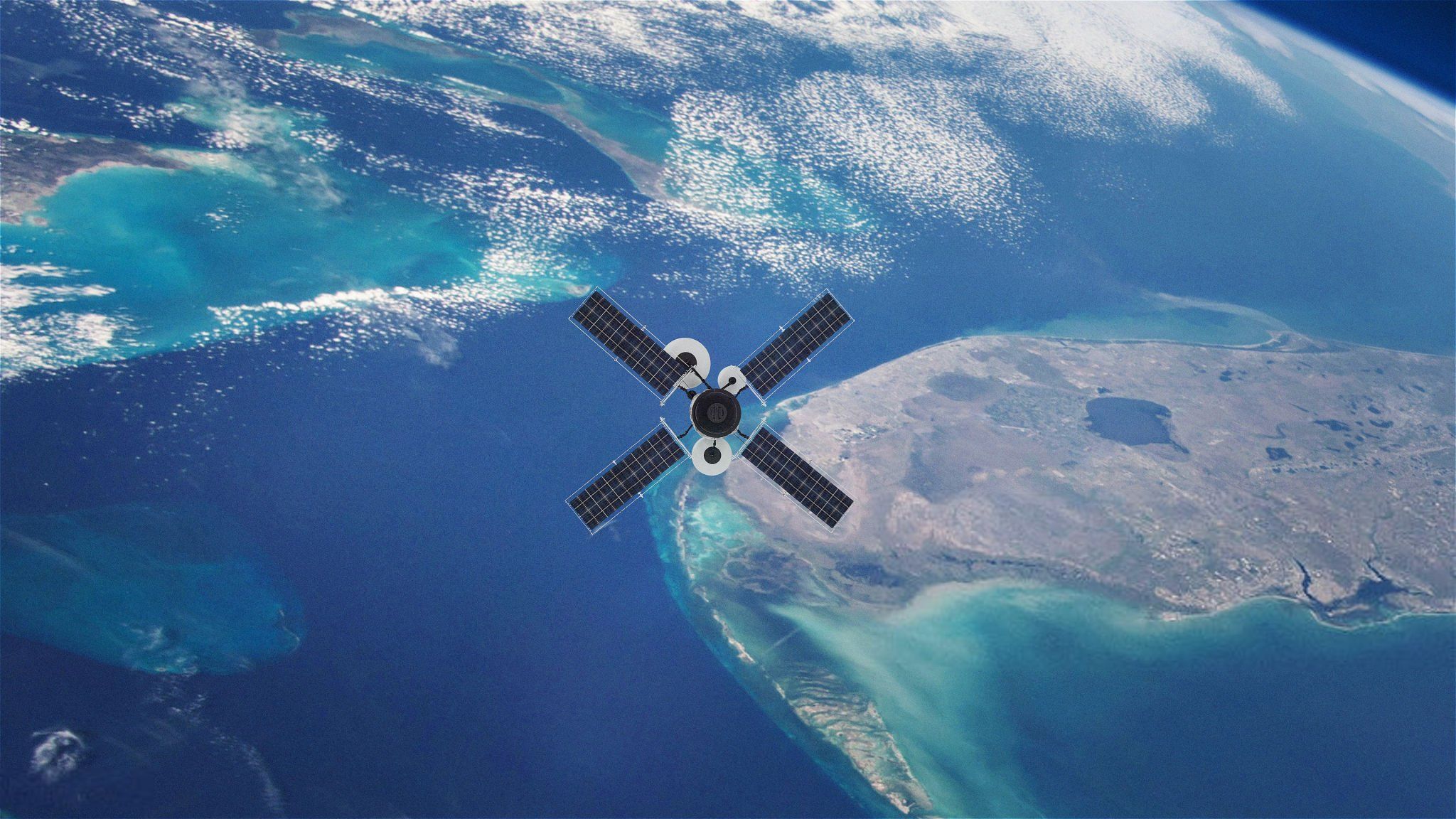
Satellite phones also depend on the operational status of the satellites. If a satellite is unstable, the signal will not be transmitted effectively, even if the weather is ideal. The current global satellite system has been greatly improved, allowing satellite phones to maintain connection in all situations, but it cannot completely eliminate the influence of uncontrollable factors.4. Solutions to Improve Communication Capability in Bad Weather
To ensure that satellite phones operate effectively in bad weather, you can take some measures:- Choose a high-quality satellite phone: Modern satellite phone models are equipped with the latest technology to improve connectivity even in harsh weather conditions.
- Use the device in moderate weather conditions: Although satellite phones can operate in bad weather, using them in environments with less impact from factors like heavy rain or storms will help improve connection quality.
- Ensure equipment hygiene: After using in rainy or snowy environments, make sure your satellite phone is cleaned to avoid damage from moisture.
Satellite
5. Conclusion
Although satellite phones can operate in bad weather conditions such as rain, snow, or storms, their performance will be affected when the weather is too harsh. However, today's modern satellite devices have been improved to withstand various weather and environmental factors, ensuring you can still maintain communication in emergency situations. If you frequently work in areas with harsh weather, choosing a high-quality satellite phone will help you ensure stable and safe communication in all circumstances.
0 Comments

No comments yet. Be the first!