 English
  Tiếng Việt
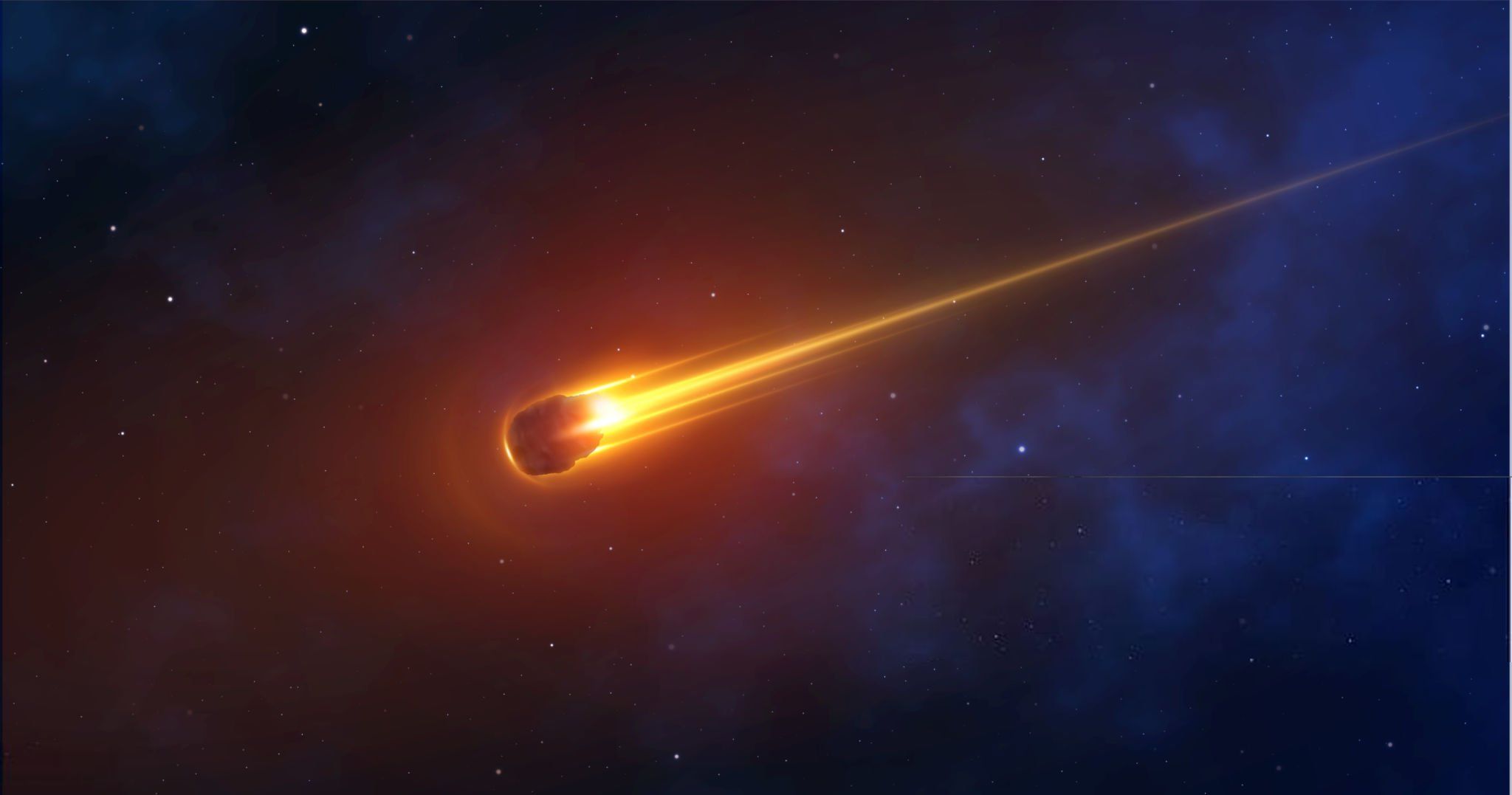
 Satellites, important tools for Earth observation, telecommunications, scientific research, and military purposes, often face numerous challenges in space. One of the greatest dangers to satellites is collision with "meteoroids" and space debris. So, how are "meteoroids and satellites" related? Will satellites be affected, and can they avoid colliding with these meteoroids? Let's find out in the article below.MeteoroidsMeteoroids and Satellites: The Relationshipmeteoroids and satellitesEvery day, thousands of debris fragments from meteoroids and other space objects can approach satellites operating in Earth's orbit. Even a small collision can cause serious damage to satellites, affecting their missions, and even cause them to be "completely destroyed".
https://youtu.be/UUc9KYb6rlA?si=hNHrAZFnTQuATlqo
Will Satellites Be Affected When Colliding With Meteoroids?
Although space is a vast environment, the number of objects moving through space is not small. According to estimates, thousands of minor collisions occur between satellites and space debris each year. These collisions, though small, can cause many problems for satellites, including:1. Damage to Critical Equipment
A strong collision with a meteoroid can damage a satellite's electronic equipment or sensors, disrupting or disabling the satellite. Critical components such as "solar panels", signal receivers, and imaging sensors can be destroyed, rendering the satellite unable to perform its mission.https://youtu.be/IMXHe05z6Ic?si=_AgpCR8vIukVmr49 hoàn toàn.
Are Satellites Affected When Colliding with Meteoroids?
Although space is a vast environment, the number of objects moving in space is not small. According to estimates, thousands of minor collisions occur between satellites and space debris every year. These collisions, though small, can still cause many problems for satellites, including:
1. Damage to Important Equipment
Một va chạm mạnh với một thiên thạch có thể gây hư hỏng các thiết bị điện tử hoặc cảm biến của vệ tinh, làm gián đoạn hoặc làm mất khả năng hoạt động của vệ tinh. Các bộ phận quan trọng như solar panels, signal receivers, and imaging sensors can be destroyed, rendering the satellite unable to perform its mission.
2. Satellite Orbit Change
Satellites need to maintain precise orbits to perform missions such as Earth observation, communication, or space surveys. If a meteorite collision occurs, the satellite's orbit may be altered, disrupting operations and even making it impossible for the satellite to maintain its programmed orbit. This can lead to the satellite having to adjust its orbit, incurring costly expenses and consuming energy.
3. Space Debris
When a meteorite collides with a satellite, fragments from the satellite create space debris, increasing the danger to other satellites. These fragments can continue to travel in space and become a potential threat to other satellites, creating a dangerous cycle of continuous collisions.
Can Satellites Avoid Meteorite Collisions?
With the threat from meteorites, protecting satellites is crucial. Scientists and engineers have developed several methods for satellites to avoid collisions with space objects, including:
1. Space Debris Monitoring Systems
Modern satellites are equipped with monitoring systems that track and detect objects in the vicinity of the satellite. These systems can alert satellite operators to the presence of meteorites or space debris. When a collision risk is detected, satellites can perform orbit adjustment maneuvers to avoid impact.
2. Orbit Adjustment Methods
If a danger from meteorites or space debris is detected, satellites can use their thrusters to change their orbit. Changing the orbit can help the satellite move away from objects heading towards it. However, changing the orbit also consumes energy and requires precise calculations.
3. Self-Protection Technology
Some modern satellites are equipped with special protective layers to minimize the impact of small meteorite collisions. These protective shells can be made of strong materials such as lightweight metalsorhard polymer to absorb energy from impacts and protect critical satellite components.
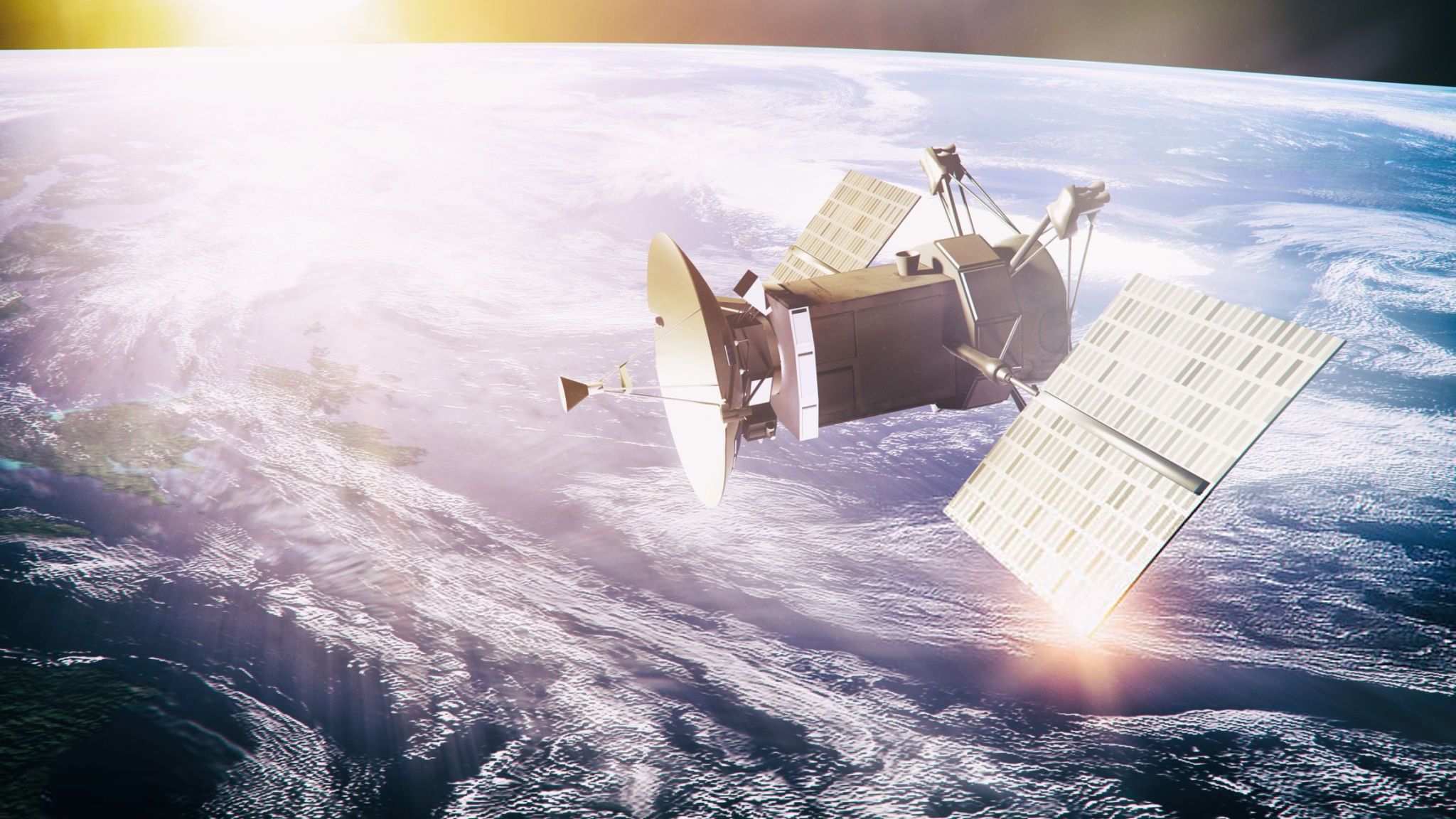
Satellite collision avoidance
Conclusion
Although meteoroids and satellites may not be a major issue in the vastness of space, the risk from space debris and meteoroids remains one of the significant challenges for satellite operation. Modern satellites are equipped with monitoring and orbital adjustment technologies to help avoid collisions with meteoroids and debris. However, protecting satellites from these threats still requires caution, precise calculations, and the development of increasingly advanced space protection technologies.