
 English
  Tiếng Việt
 In the modern technological era, satellites play a crucial role in fields such as telecommunications, meteorological research, earth observation, and many other scientific applications. However, when satellites reach the end of their missions or become inoperable, they turn into space debris, posing a significant threat to other satellites and exacerbating the problem of space pollution. To address this issue, satellite reuserecycled satellites is not only a cost-saving solution but also an important strategy in protecting the environment and reducing space pollution. The development of are increasingly becoming viable solutions, contributing to a sustainable future for the space industry. In this article, we will explore satellite reuse, its benefits, and how modern technologies are helping to create environmentally friendly satellites.


Reusable Satellites
Satellite Reuse: Concept and Importance
Satellite reuse is the process of reusing components from decommissioned or inoperable satellites, rather than letting them become debris in space. Reuse not only helps minimize the amount of space junk but also brings significant economic benefits, as building new satellites is very expensive and time-consuming. Recycled satellites is also a new trend in the space industry, where components such as solar panels, sensors, or metal parts can be recycled and reused in new satellite projects. This helps reduce the amount of waste released into space and creates a more sustainable satellite ecosystem.Benefits of Satellite Reuse
1. Reducing Space Debris
One of the serious problems today is space debris, which includes fragments from defunct satellites, rockets, and other discarded equipment. These fragments move at very high speeds and can pose a danger to other satellites, potentially even causing major collisions. Conclusion helps minimize the amount of space debris by utilizing usable components instead of letting them be discarded or break apart in space.2. Cost Savings
Building and launching new satellites is very expensive, especially for large satellites and high-tech applications. Conclusion not only saves on launch costs but also reduces research, development, and manufacturing expenses. Components from old satellites can be repurposed in new projects, significantly lowering costs for organizations and nations involved in space activities.3. Minimizing Environmental Impact
Satellites often use complex materials and technologies, including electronic parts, solar panels, and other hi-tech materials. When satellites reach the end of their lifespan, these components can become non-degradable space waste, causing pollution. Environmentally friendly satellites use recyclable and eco-friendly materials. By recycling satellites, we not only reduce waste but also protect space and lessen the negative impact on the environment.Satellite Reuse Technology
1. Repairable and Upgradable Satellites
One of the new trends in the space industry is the development of satellites that can be repaired and upgraded in space. Instead of having to destroy or discard old satellites, scientists have researched and developed technologies that allow satellites to be maintained or upgraded remotely. These repair satellites can replace damaged or old parts, thereby extending the satellite's lifespan and minimizing the launch of new satellites.2. Reusing Satellite Components
Another method for satellite reuse is to reuse components from old satellites such as metal parts, sensors, or solar panels. These components can be disassembled and recycled, or reused in new satellites. This technology helps save raw materials and reduce the production of new materials, thereby reducing carbon emissions during the production and launch of satellites.3. Eco-Satellites: Environmentally Friendly Satellites
Modern satellites today are designed with environmentally friendly satellites. Scientists have developed lightweight, biodegradable, and recyclable materials for satellites, helping to minimize negative environmental impacts. For example, some current satellites are designed to be easily decomposed after completing their missions, rather than becoming space debris. This helps reduce the number of inactive satellites in space while protecting the environment.The Sustainable Future of the Satellite Industry
Satellite reuse is not only a cost-saving solution but also an important strategy in protecting the environment and reducing space pollution. The development of recycled satellites are gradually becoming an important trend in the space industry. Not only do these solutions save costs and reduce space debris, but they also contribute to creating a sustainable space industry and protecting the environment for future generations.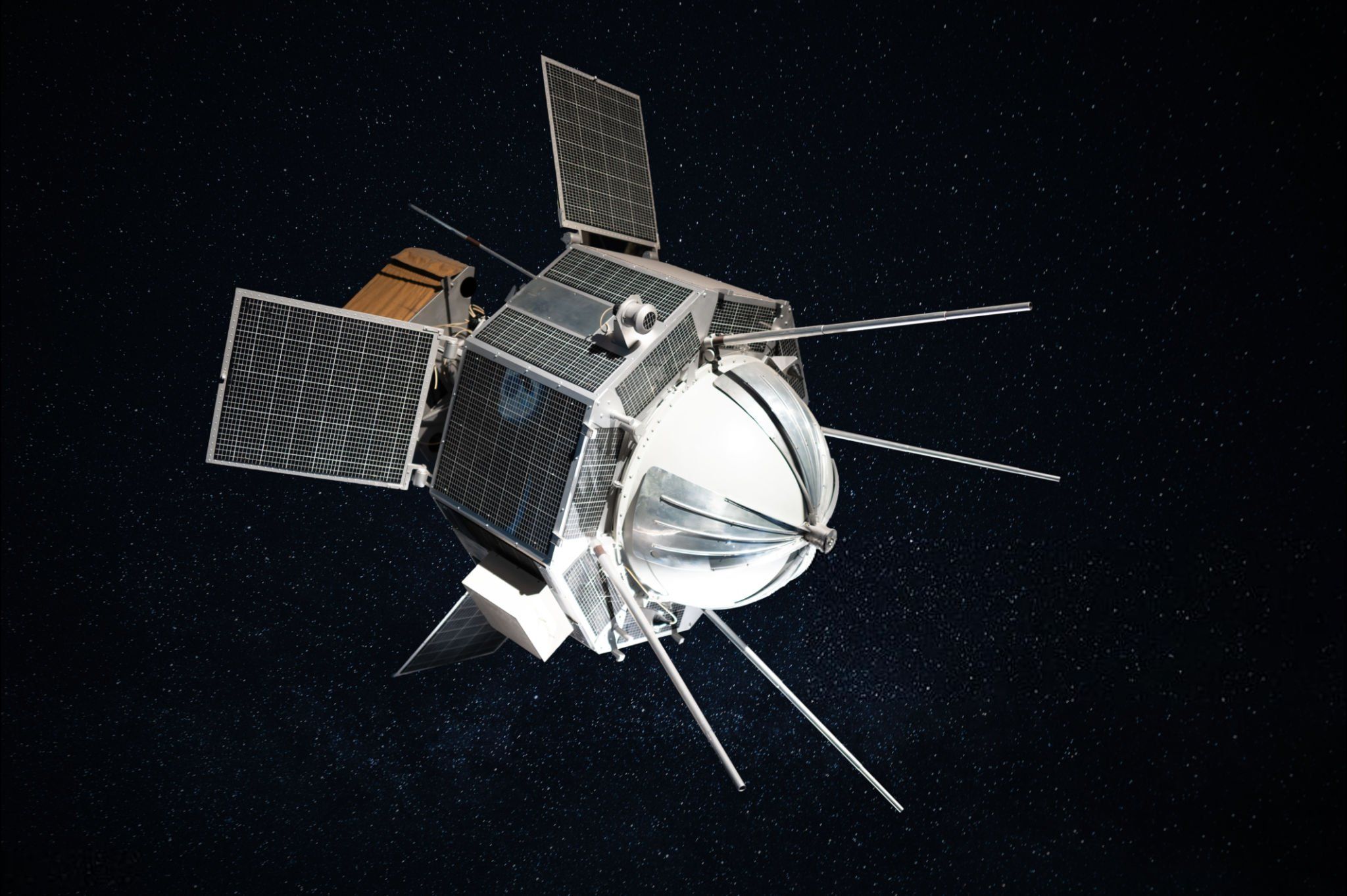
In the future, technology will continue to develop, helping satellites not only operate efficiently but also be more environmentally friendly. Research and improvements in materials, reuse technologies, and remote satellite maintenance capabilities will contribute to building a clean and sustainable space industry.
Satellite Industry
ConclusionSatellite reuse is not only a cost-saving solution but also an important strategy in protecting the environment and reducing space pollution. The development of recycled satellitesenvironmentally friendly satellites will help build a sustainable future for the space industry, while creating new opportunities in addressing global environmental challenges. Moving towards a sustainable space industry is not only a responsibility but also an opportunity to develop green technology and protect our planet.
0 Comments

No comments yet. Be the first!