 English
  Tiếng Việt
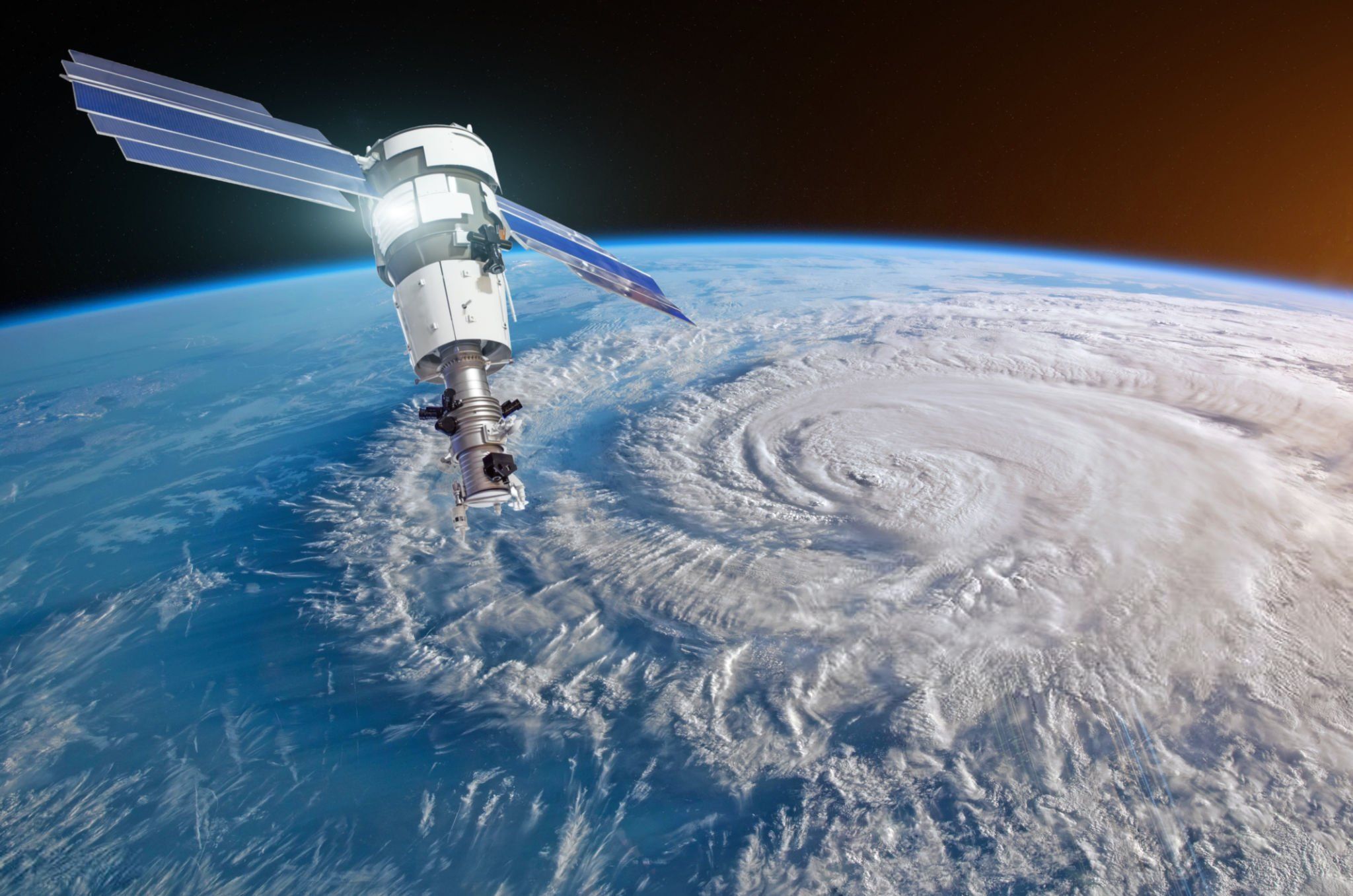
 Operating a satellite is not an easy task. Although satellites play extremely important roles in fields such as telecommunications, earth observation, meteorology, and space research, maintaining their stable and efficient operation in space is not always smooth. In particular, satellites face numerous challenges throughout their operational life. So, what are thebiggest challenges in operating a satellite? Let's find out.
Satellite Challenges
1. Controlling Satellites in the Harsh Space Environment
Space is a harsh environment with many factors that can affect satellite operations. Satellites are exposed to solar radiation, extreme temperatures, space debris, and orbital changes due to unpredictable physical forces.
- Solar radiationcan damage sensitive satellite components such as electronic circuits or sensors, causing disruptions or performance degradation.
- Extreme temperatures: Satellites can experience very high temperatures when exposed to the sun and very low temperatures when in Earth's shadow. This requires satellites to have an effective temperature control system to protect internal equipment..
2. Managing Satellite Power
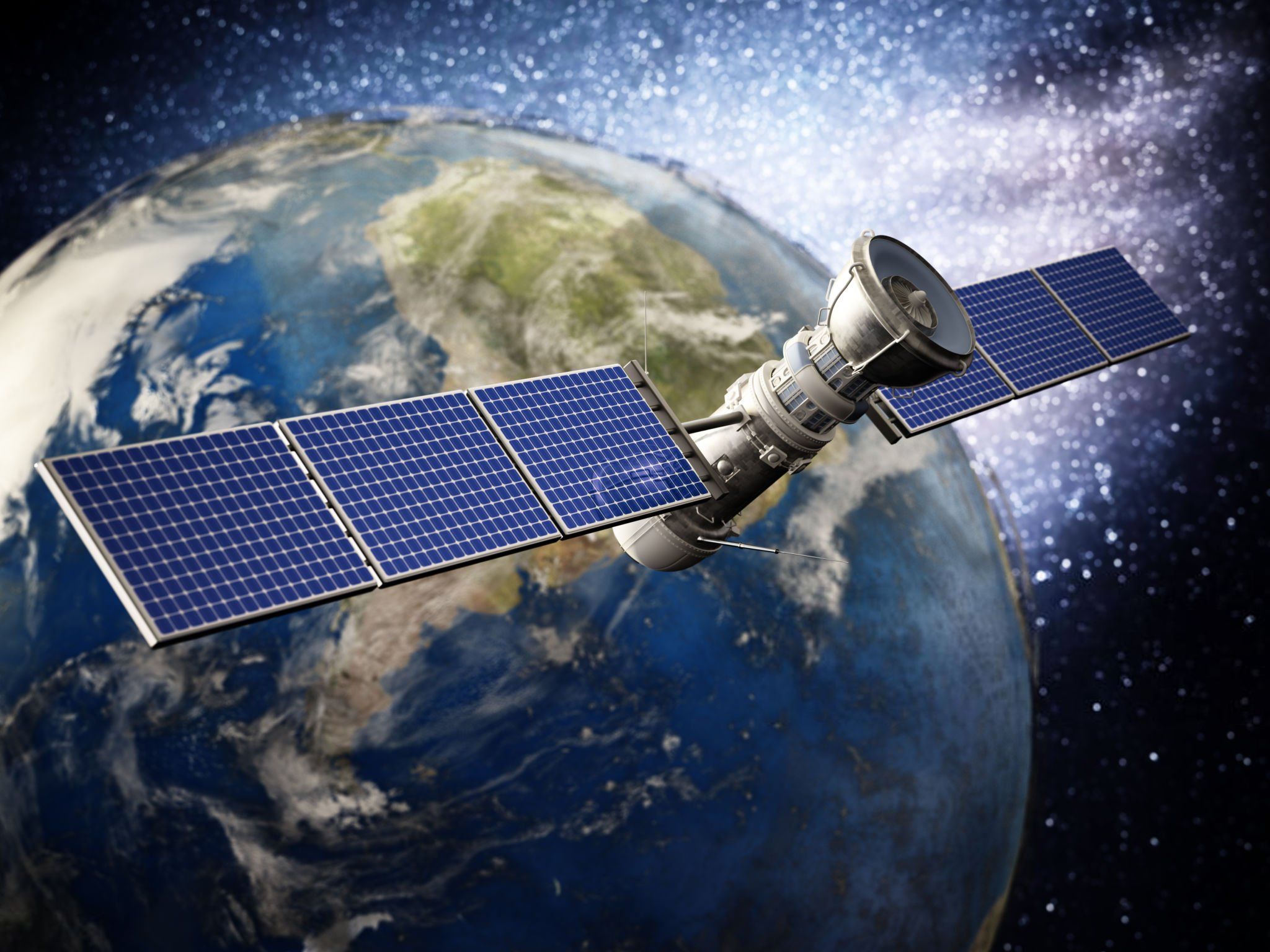
One of the biggest challenges in operating a satellite is power management, especially when the satellite must operate in an environment without readily available power sources like on the ground. Satellites rely onsolar panelsto collect energy from sunlight and store it for use when there is no light, such as when the satellite enters Earth's shadow.
This requires engineers to accurately calculate the amount of energy needed to operate all systems on the satellite throughout its orbit. If insufficient power is supplied, the satellite may experience malfunctions, shut down, or even lose its operational capability entirely.
3. Satellites Face Space Debris
Space debris is an increasingly serious problem in the space industry. Fragments from defunct satellites, rockets, or discarded equipment can collide with operational satellites, causing severe damage or even destroying them. These collisions can occur even with small fragments, posing a significant risk to active satellites.
Tracking and avoiding these fragments is an extremely difficult task, as they move at very high speeds and may not be detected in time by monitoring systems. Additionally, building satellites capable of withstanding collisions with space debris is also costly and complex.
4. Satellite Orbit Management
Satellites must maintain a stable orbit to carry out their missions, from telecommunications to Earth observation. However, satellite orbits can change due to factors such asgravitational influence from other planets, changes in the atmosphere or unpredictable external forces. The process of orbit adjustment (or “attitude control”) requires the engines on the satellite to operate accurately to keep the satellite in the desired position.
Especially for satellites in Low Earth Orbit (LEO), orbital drag due to friction with atmospheric molecules can alter the satellite's orbit, requiring frequent adjustments that are costly in terms of time and energy.
5. Fault Tolerance and Remote Repair
One of the most challenging issues in satellite operation is the ability forremote repair and troubleshooting. When a satellite encounters a problem, a technical team cannot directly access it for repairs as they are usually located very far away, in space. This means satellites must be designed for maximum self-healing and operational continuity.
Modern satellites are often equipped with monitoring and self-diagnostic systems that help identify and handle some minor issues without external intervention. However, for major problems, satellites may not be able to self-correct, causing disruptions to their missions.
6. Data and Bandwidth Management
Satellites collect a large amount of data during their operation, from images, videos, meteorological information, to scientific research data. However, theprocessing and transmissionof this data back to Earth is not simple. Satellites have limited bandwidth, and transmitting data quickly and efficiently can be challenging, especially for satellites in distant orbits.
Managing data effectively, especially in contexts requiring high bandwidth and strong security, is a significant challenge for satellite operators.
Satellite Operation
Conclusion
Operating a satelliteoperating a satellite is an extremely complex task and faces many major challenges. From managing energy sources, maintaining orbit, to protecting satellites from the harsh elements of space and space debris, all require precision, advanced technology, and the ability to predict unforeseen situations. Despite many difficulties, thanks to the continuous development of technology and space research, we have been able to solve many challenges and help satellites perform their missions well in space.