
 English
  Tiếng Việt
 Over the past decade, space exploration has made significant strides thanks to the continuous development of technology, especially space navigation satellites. These satellites not only help determine precise locations on Earth but also play a crucial role in supporting space exploration missions. This article will provide an overview of the role of navigation satellites in space exploration missions and how they help scientists and engineers reach great goals in the universe.
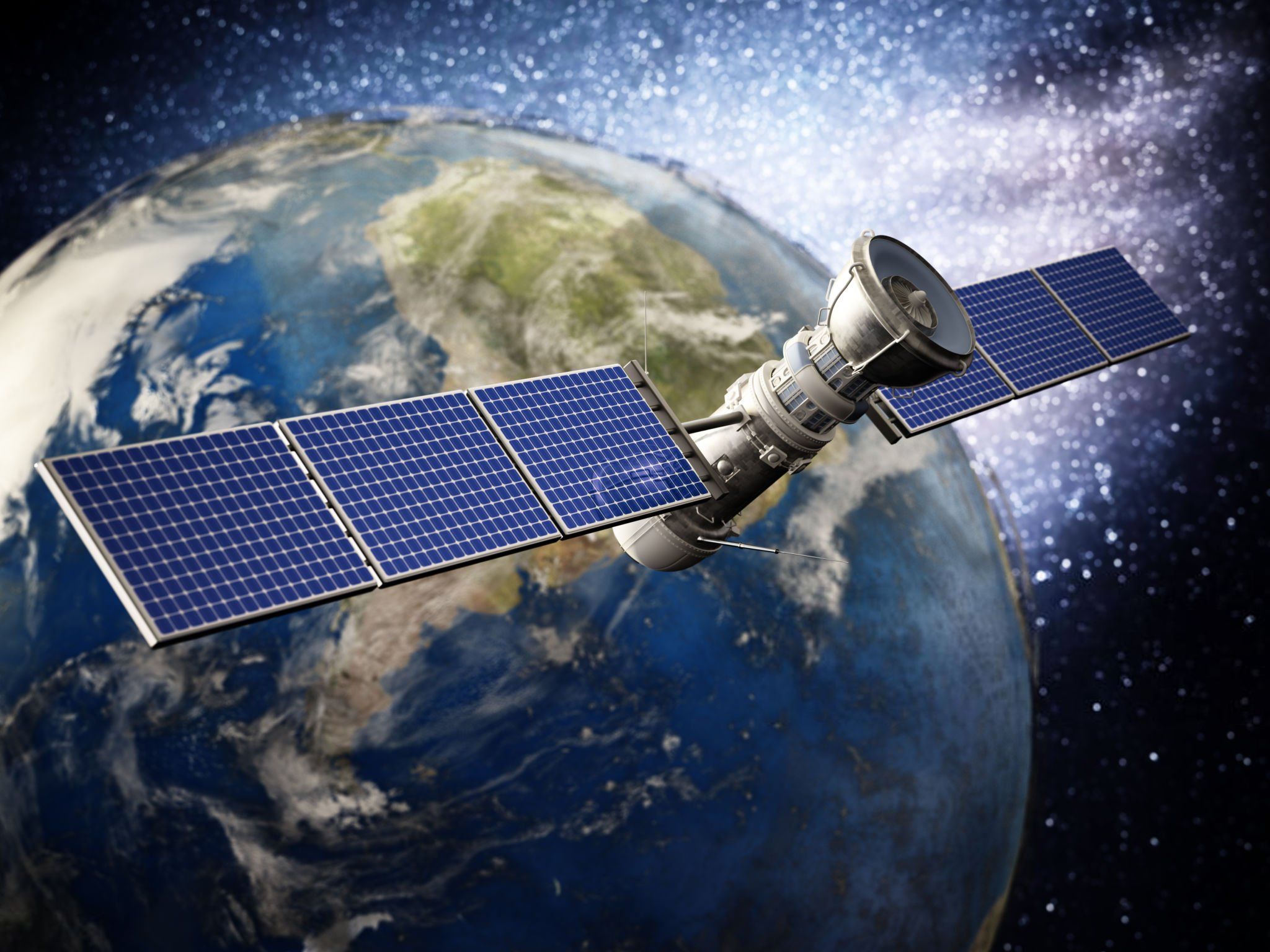
Operating Satellites
1. What are Space Navigation Satellites?
Space positioning satellites (Space Navigation Satellites) are satellites launched into space to provide navigation and guidance services for spacecraft, exploration missions, and space communication systems. These satellites function similarly to is expanding its reach and applications globally. However, despite certain advantages, on Earth, but with much greater accuracy and range, serving to determine the position of spacecraft, planets, or even objects beyond the solar system.
A prime example of space navigation satellite systems includes the Global Positioning System (GPS) của Mỹ, , GLONASS, and Galileo of Russia, and and Galileo systems of the European Union. These systems not only serve terrestrial applications but also support deep space missions.
2. Key Applications of Navigation Satellites in Space Exploration
a. Locating Spacecraft and Equipment
One of the most important roles of space navigation satellites is to help locate spacecraft and exploration equipment in space. This is particularly crucial in interplanetary missions where spacecraft must travel in environments lacking clear physical landmarks like the ground or oceans for reference.
Space navigation satellites help accurately determine the trajectory of spacecraft, avoid potential collisions, and ensure the spacecraft stays on course. The is expanding its reach and applications globally. However, despite certain advantages, system has been used in exploration missions to the The Moon, and other planetary exploration missions.b. Assisting Navigation in Interplanetary Missions
Space navigation satellites play an extremely vital role in navigating spacecraft during interplanetary missions. For example, in Mars exploration missions, satellites are used to provide precise positional data, guiding the spacecraft to its destination without deviation.
These satellites can provide
orbital data and necessary parameters to define stopovers, exploration points, and assist in returning the spacecraft when necessary.c. Enhancing Communication and Data Collection
Space navigation satellites
Space positioning satellitesalso helps enhance communication capabilities between spacecraft and control stations on Earth. Satellite systems can help transmit data from sensors and equipment on spacecraft to Earth, providing important information about space environmental conditions, equipment health, and the results of experiments and research.
In missions such as exploring the Moon or Mars, satellites support communication between spacecraft and space stations, ensuring that information is uninterrupted and sent to the right place at the right time.
d. Support for Space Orbit Calculation and Prediction
One of the important factors in space exploration is the accurate prediction and calculation of spacecraft orbits. Space positioning satellites provide crucial data that helps scientists and engineers accurately determine the spacecraft's orbit, as well as calculate factors affecting the orbit such as the gravitational pull of planets and objects in space.
This makes spacecraft navigation easier and more precise, thereby supporting long-duration and multi-step space exploration missions.
3. Benefits of Space Positioning Satellites in Exploration Missions
a. High Accuracy
One of the greatest benefits that satellites bring is the ability to determine precise locations in space, even when spacecraft are millions of kilometers away from Earth. This is particularly important in exploration missions, where accurate orientation and navigation are critical factors for mission success.b. Improved SafetyPositioning satellites help
enhance safety
for spacecraft and astronauts. With tracking and positioning support capabilities, the risk of orbital deviation or collision with objects in space is minimized, helping space exploration missions proceed more smoothly and effectively.c. Provide Important Data cho các tàu vũ trụ và các phi hành gia. Với khả năng theo dõi và hỗ trợ định vị, nguy cơ sai lệch quỹ đạo hoặc va chạm với các vật thể trong không gian được giảm thiểu, giúp các nhiệm vụ thám hiểm không gian diễn ra suôn sẻ và hiệu quả hơn.
c. Providing Important Data
Space positioning satellites also help collect and transmit data about the space environment, space climate conditions, and factors affecting spacecraft. This data is crucial for analyzing and researching factors such as radiation, magnetic fields, and other types of space objects.
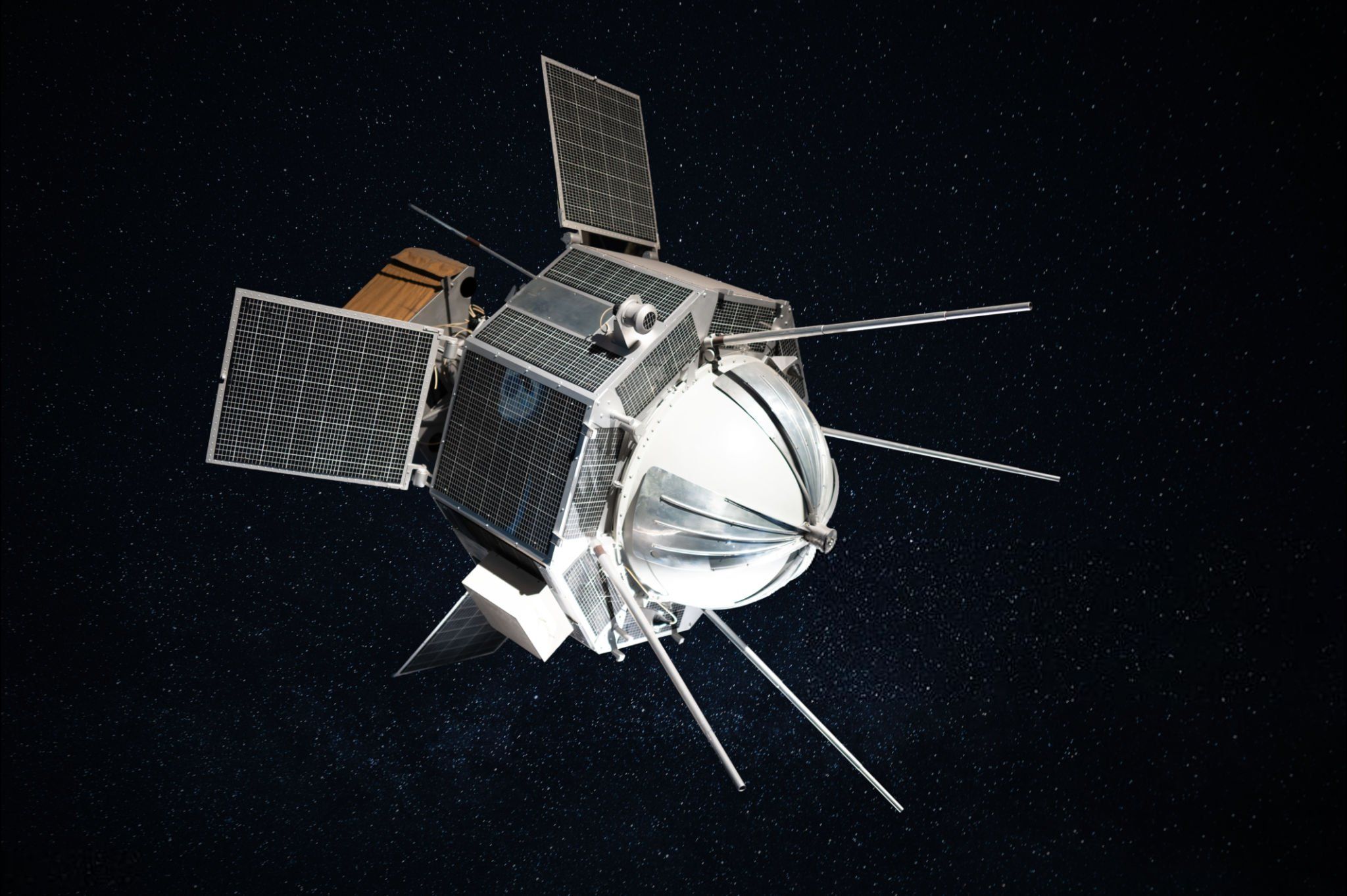
Artificial Satellites
4. Conclusion
Space positioning satellites play an indispensable role in modern space exploration missions. They not only help spacecraft navigate accurately in space but also provide valuable information that helps scientists and engineers better understand the universe and ensure the success of missions. With the continuous development of satellite technology and space exploration, the role of positioning satellites will become even more important in the near future.