 English
  Tiếng Việt
 Satellites play an extremely important role in telecommunications, earth observation, meteorology, and space research. However, one of the biggest challenges for satellite operation is providing them with energy in the harsh space environment. Lacking traditional power sources like the grid, satellites must find ways to self-supply energy to maintain operations. Among these, "solar panels" have become the primary solution for satellite energy needs. Let's explore why solar panels are the optimal choice for satellites in space.solar panelsWhat Energy Does a Satellite Use?
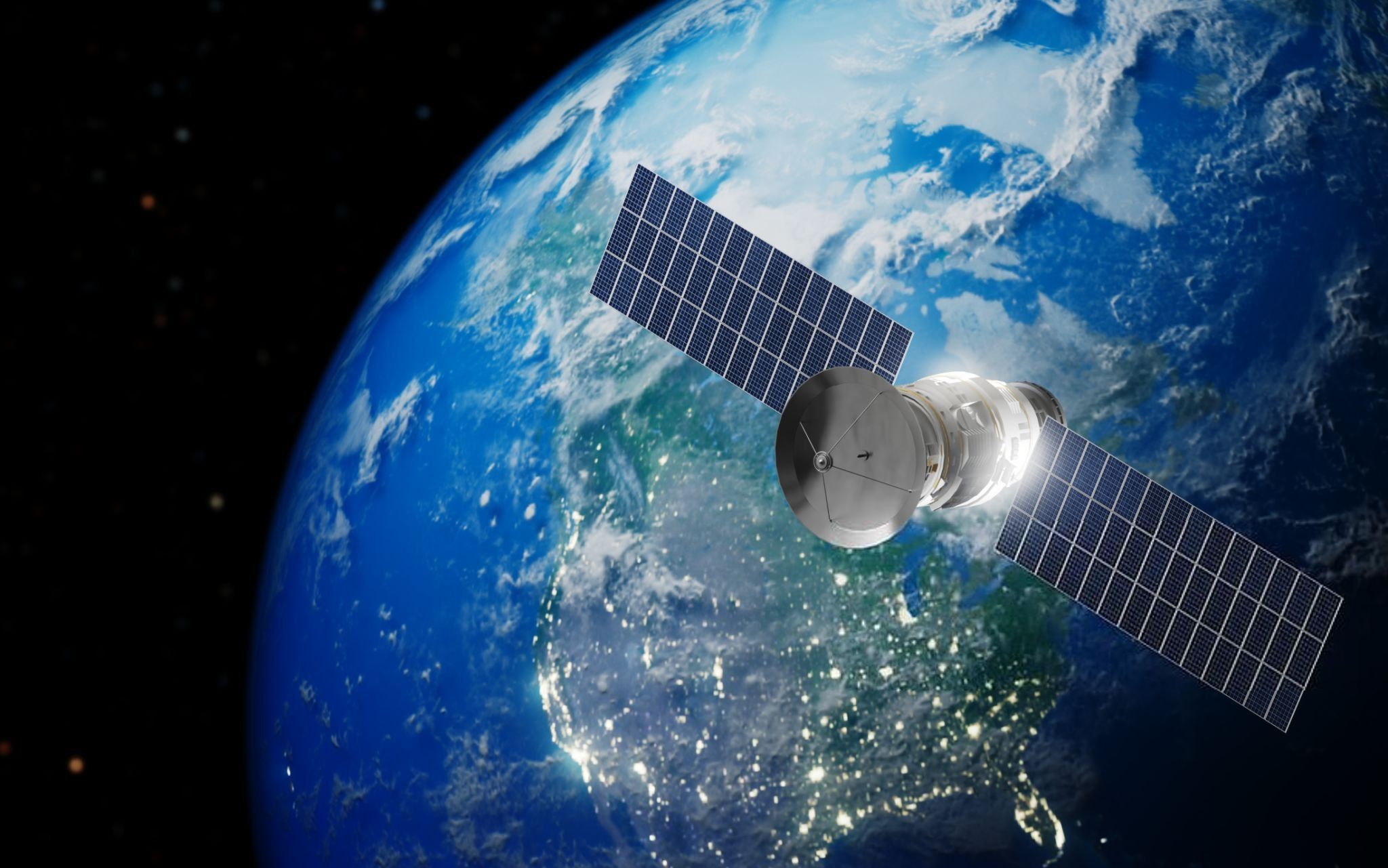
In space, where there is no power from the grid, satellites need a self-sufficient energy source to maintain the operation of systems such as communication, data collection, orbital control, and scientific sensors. These "satellites use solar energy", through solar panels, to generate electricity for their operations.
https://youtu.be/hazuk79SoG0?si=L_F4ALOELdCP2SNS
Satellite Energy StructureSolar panels: These are photovoltaic panels mounted on the satellite. These panels absorb sunlight and convert it into electrical energy.
To ensure the satellite has power throughout its orbit, satellites are equipped with "storage batteries" (usually lithium-ion batteries), storing energy for use when there is no sunlight (e.g., when the satellite enters the Earth's dark side).
- Why Use Solar Panels for Satellites?https://youtu.be/7MkslS45rHw?si=w5GRYiz-w4BCrq2O
- 1. Sunlight: An Abundant Energy SourceSunlight is an abundant and free energy source, making solar panels an ideal choice for satellites. The sun provides endless energy without range limitations, especially as the satellite moves in space, there is always a part illuminated by the sun.battery storage (thường là pin lithium-ion), lưu trữ năng lượng để sử dụng khi không có ánh sáng mặt trời (ví dụ như khi vệ tinh quay vào vùng tối của trái đất).
Why Use Solar Panels for Satellites?
1. Sunlight: An Abundant Energy Source
Sunlight is an abundant and free energy source, making solar panels an ideal choice for satellites. The sun provides endless energy without range limitations, especially as satellites travel through space, there is always a portion illuminated by the sun.
2. High Efficiency and Compact Size
Solar panels today are very efficient at converting light into energy. Thanks to technological advancements, solar panels are not only highly efficient but also lightweight and easy to mount on satellite surfaces without significantly increasing mass. This allows satellites to maintain controllability and maneuverability in space without concerns about increased payload.
3. Continuous Recharging Capability
Satellites orbit the Earth and are continuously exposed to sunlight in a cycle. Solar panels capture energy throughout the day and store it in batteries for use when the satellite is in shadow (occluded from sunlight). This recharging process helps the satellite maintain stable operation throughout its mission lifetime.
4. Reduced Operational Costs
Compared to other energy sources, such as fossil fuels or nuclear engines, using solar panels has very low operational costs. Although the initial manufacturing and installation of solar panels can be expensive, in the long run, the maintenance and operational costs of solar panels are almost negligible, which helps reduce the overall cost of satellite missions.
5. Sustainability and Safety
Solar panels are a clean and safe energy source for the space environment. Unlike fossil fuel or nuclear energy sources, solar panels do not produce waste or pose a leakage risk, polluting space. This makes them a sustainable and environmentally friendly solution for satellites in the long term.
Applications of Solar Panels in Satellites
Modern satellites use solar panels to power a variety of applications. These satellites can be:
- Telecommunication satellites:Ensure continuous communication links between areas on Earth.
- Meteorological satellites:Monitor and forecast weather, providing crucial data for disaster monitoring systems.
- Scientific research satellites:Collect data about space, Earth, and other planets.
- Military satellites:Used in surveillance, reconnaissance, and national security communication missions.
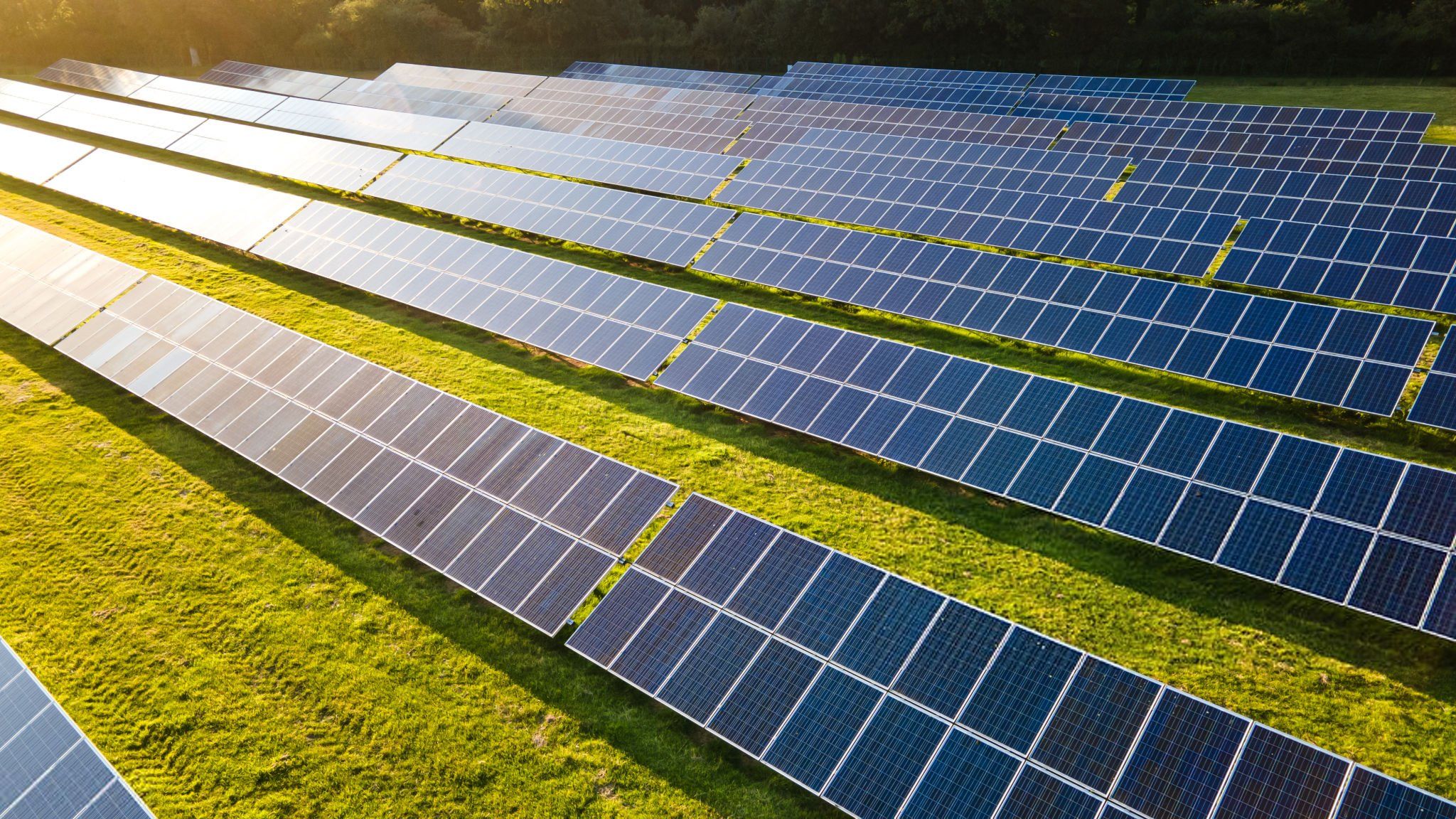
Satellite solar panels
Conclusion
Với những ưu điểm vượt trội như hiệu quả cao, chi phí thấp, tính bền vững và khả năng tái nạp liên tục, solar panels đã trở thành nguồn năng lượng chính cho các vệ tinh trong không gian. Bằng cách sử dụng nguồn năng lượng vô tận từ ánh sáng mặt trời, các vệ tinh có thể duy trì hoạt động trong môi trường khắc nghiệt của không gian, giúp cung cấp thông tin quan trọng cho các lĩnh vực viễn thông, khí tượng, nghiên cứu khoa học và nhiều ứng dụng khác. Điều này chứng tỏ rằng, pin mặt trời không chỉ là một giải pháp năng lượng hiệu quả mà còn là một yếu tố quan trọng trong việc phát triển công nghệ không gian hiện đại.