 English
  Tiếng Việt
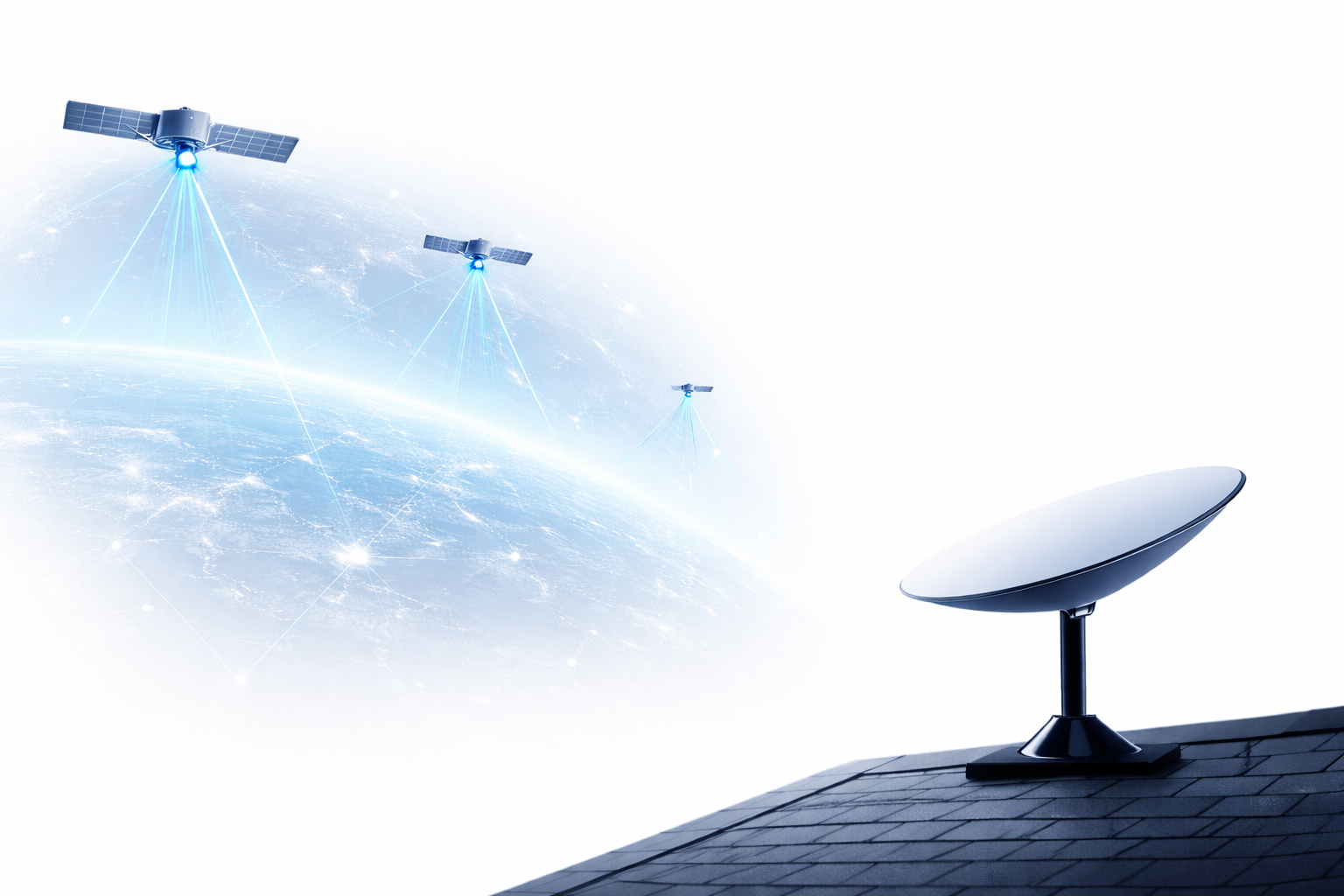
 The mining industry is undergoing a technological revolution, in which connectivity, satellite IoT (Internet of Things – Internet of Things via Satellite) plays a crucial role in improving operational efficiency and minimizing risks. Given the nature of operations in remote, harsh, and inaccessible areas, the use of satellite IoT is an optimal solution for monitoring, data collection, and remote control. In this article, we will explore why connectivity, satellite IoT has become an indispensable technology for the mining industry, from improving operational performance to enhancing labor safety and environmental protection.
Satellite
1. What is Satellite IoT and Why is it Important for the Mining Industry?
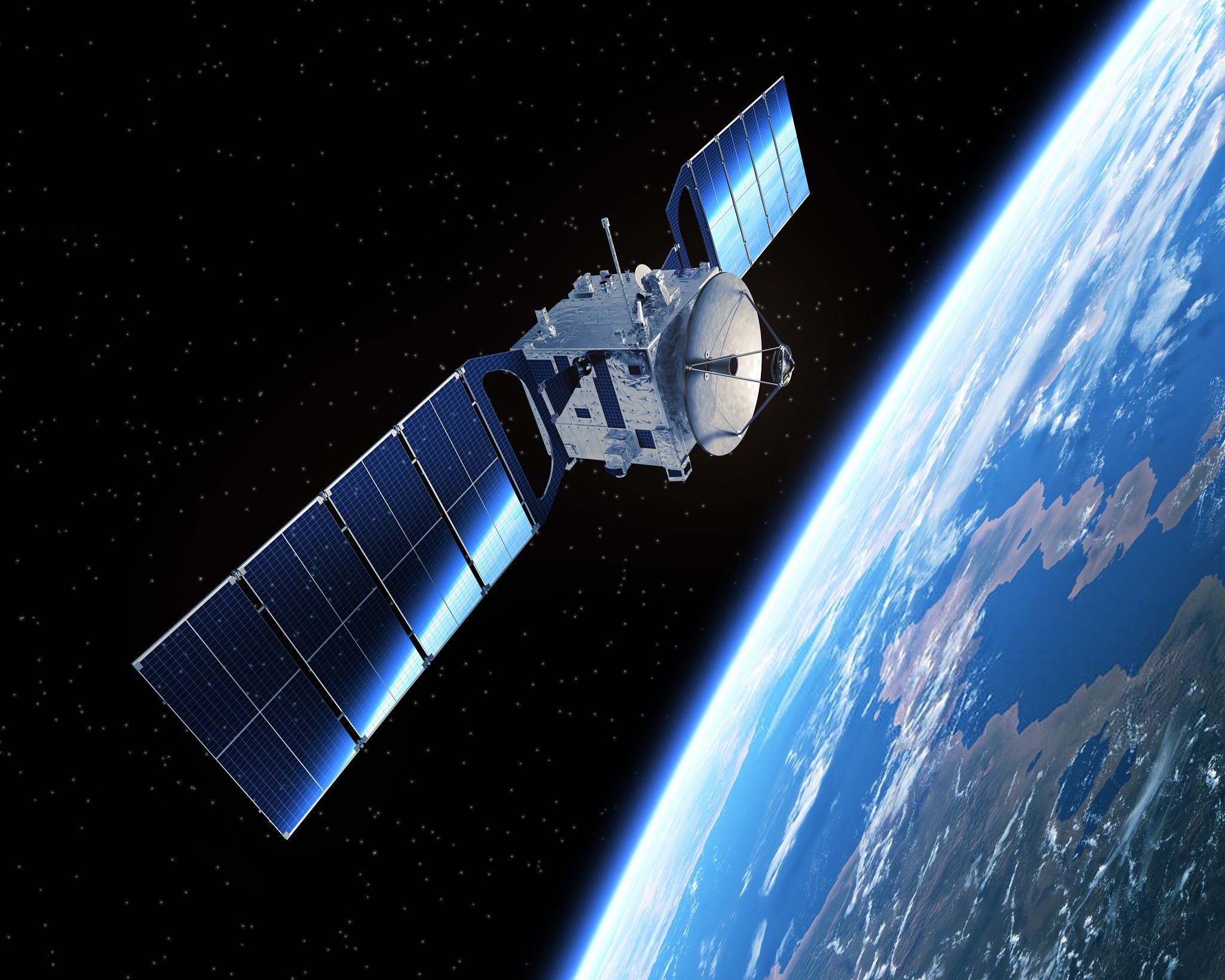
connectivity, satellite IoT is the combination of IoT devices and satellite technology to create an uninterrupted connectivity system, regardless of location and geographical conditions. While IoT devices collect data from sensors (such as temperature, humidity, location, equipment status), satellites transmit this data to analysis and control centers.
For the mining industry, operations often take place in remote mines, rural areas, or regions with weak network infrastructure. The use of connectivity, satellite IoT helps solve connectivity issues, providing continuous and timely monitoring capabilities to optimize extraction efficiency and minimize risks.
2. Benefits of Satellite IoT in the Mining Industry
2.1. Remote Monitoring of Mining Equipment and Infrastructure
Một trong những lợi ích lớn nhất của connectivity, satellite IoT in the mining industry is the ability to remotely monitor equipment and infrastructure. IoT sensors can be attached to mining machinery, transport trucks, and other critical equipment to track their status and operational performance. Data is collected and sent via satellite to the control center, allowing the management team to promptly identify incidents or maintenance needs before problems become serious.
- Machinery Monitoring: IoT sensors can monitor the condition of mining machinery, alert about failures, and help with timely maintenance.
- Logistics management: Monitoring the transport fleet during the transportation of materials from the mine to processing plants.
2.2. Improving Occupational Safety
In the mining industry, occupational safety is extremely important because the working environment can be very dangerous. Satellite IoT can help monitor environmental factors in the mine such as toxic gas levels, humidity, and temperature, thereby helping to provide timely warnings.
- Monitoring the working environment: IoT sensors can measure levels of toxic gases, changes in temperature, humidity, and vibration, helping to ensure a safe working environment for workers.
- Worker positioning: Satellite GPS technology helps to accurately determine the location of workers in the mine, ensuring they are working in a safe area.
2.3. Enhancing Environmental Protection
Satellite IoT helps monitor the impact of mining activities on the environment and ensures compliance with environmental protection regulations. Environmental sensors can measure factors such as air, water, and soil quality, sending information about pollution situations or worrying environmental changes.
- Monitoring air quality: Sensors can measure the concentration of fine dust and other pollutants, thereby helping to stop or adjust mining operations when pollution levels exceed safe thresholds.
- Monitoring water levels and floods: In mines near rivers and streams, monitoring water levels can help prevent disasters from floods or mine inundation.
2.4. Optimizing Mining Processes and Resource Situation Forecasting
Through the use of IoT sensors, data about the mine can be continuously collected for analysis and optimization of the mining process. Data analysis models based on artificial intelligence (AI) and machine learning can help forecast resource trends and identify potential mining areas.
- Exploration and mining planning: Data collected from IoT sensors and satellites can help determine optimal mining times and locations, thereby reducing costs and increasing efficiency.
- Resource quality analysis: Sensors can measure the quality of mineral resources throughout the mining process, helping to improve the efficiency of separation and processing.
2.5. Enhancing Prediction and Response Processes in Emergencies
Mining operations can pose several risks such as landslides, explosions, or risks due to weather changes. Satellite IoT helps monitor risk factors and provides early warnings to implement timely solutions.
- Disaster warnings: IoT sensors can monitor environmental factors such as changes in temperature or humidity, helping to provide early warnings of fire, flood, or earthquake risks.
- Emergency management: Satellite data helps rescue teams and response personnel act in a timely manner in case of an incident in the mine.
3. Challenges in Implementing Satellite IoT in the Mining Industry
Although connectivity, satellite IoT offers many benefits, the implementation of this technology in the mining industry also faces several challenges:
- High initial investment costs: Installing IoT sensors and satellite equipment requires a significant investment in equipment, software, and infrastructure.
- : Make sure your satellite accessory is placed in a convenient location, free from obstructions, for the best signal.: Although satellite technology provides global connectivity, factors such as bad weather can affect connection quality.
- Data security: Data collected from IoT sensors must be protected to avoid security risks and unauthorized access.

A satellite
4. Conclusion
connectivity, satellite IoT is an indispensable technology for the modern mining industry. With its capabilities in remote monitoring, improving occupational safety, environmental protection, and optimizing mining processes, satellite IoT not only helps enhance production efficiency but also minimizes risks and negative environmental impacts. However, to successfully implement this technology, mining companies need to address several challenges related to cost, security, and connectivity. Nevertheless, with its broad application potential, satellite IoT will increasingly become a crucial tool in the digital transformation process of the mining industry.