 English
  Tiếng Việt
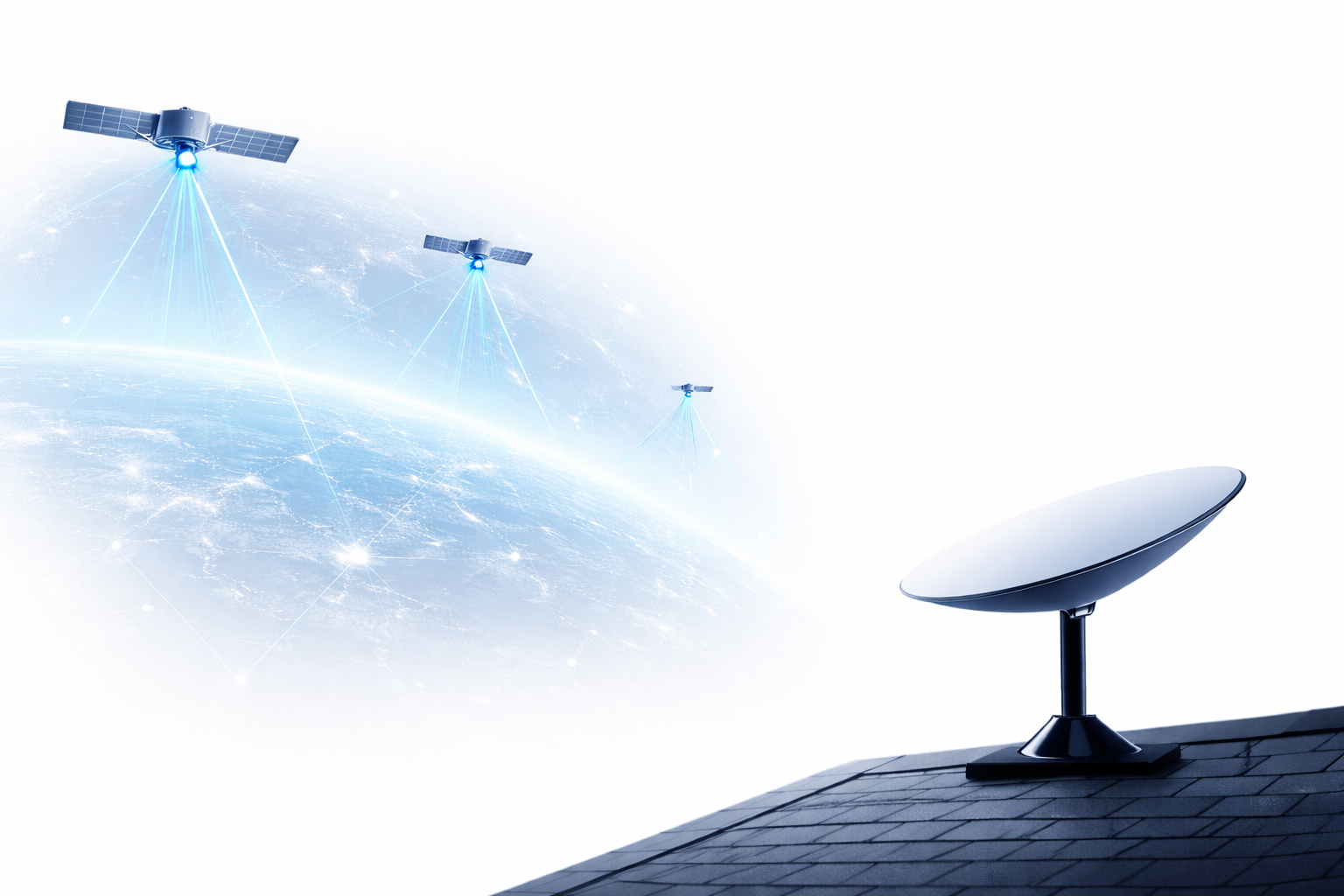
 In the era of Industry 4.0, IoT (Internet of Things) has been creating strong breakthroughs in many industries. connectivity, satellite IoT – a form of connecting devices via satellite – has opened up new opportunities, especially for applications in remote, hard-to-reach areas lacking traditional network infrastructure. A common question in connectivity, satellite IoT deployment is: “How many devices can satellite IoT connect simultaneously?” In this article, we will delve deeper into answering this question and better understand the connectivity capabilities of Satellite IoT in practical applications.
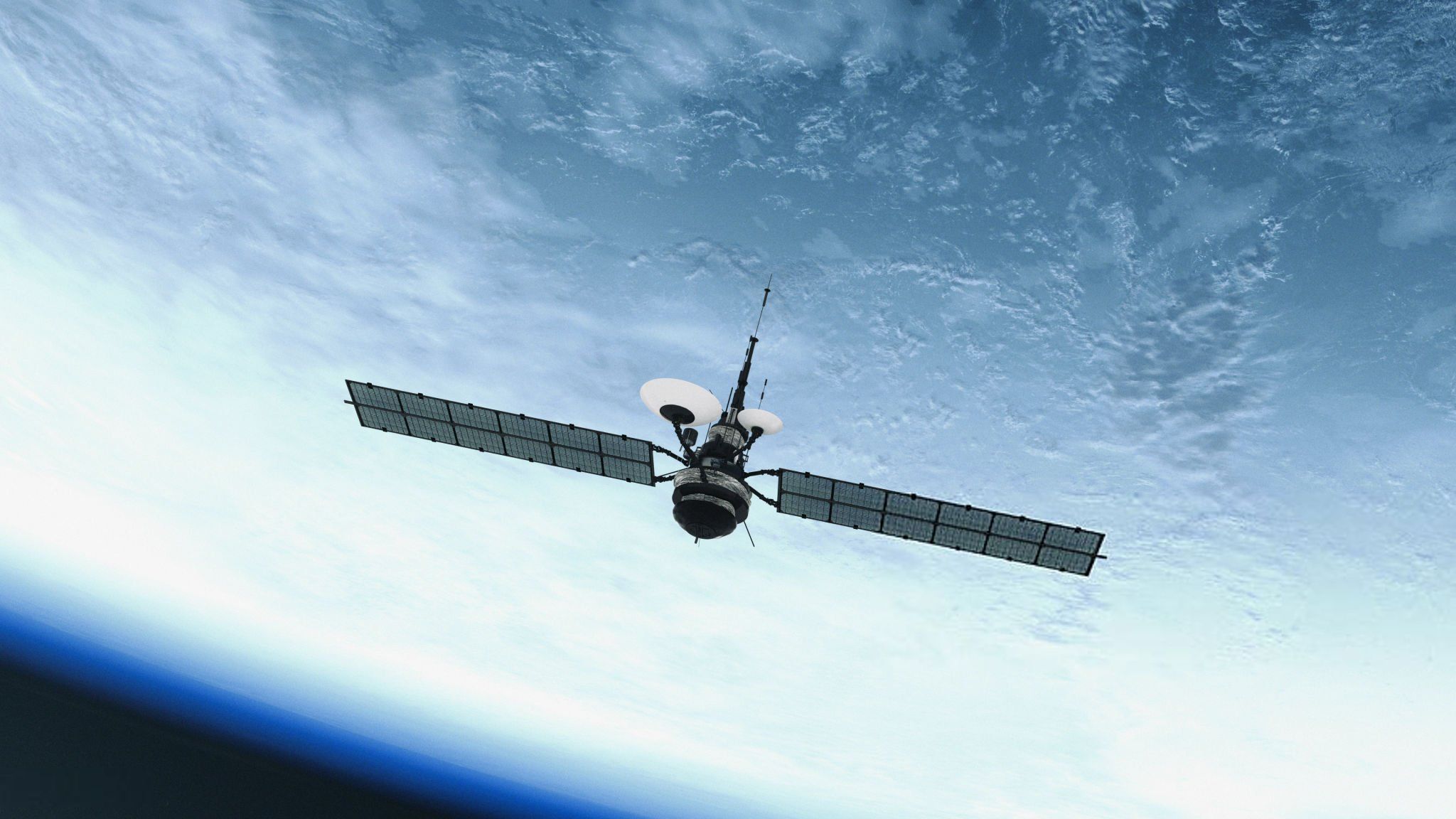
A satellite
1. What is Satellite IoT?
connectivity, satellite IoT is the use of satellite technology to connect IoT devices, enabling them to exchange data with each other and with central control systems, regardless of geographical location. This technology is particularly useful for areas without fixed network infrastructure, such as islands, mining areas, or disaster-stricken regions. Through connectivity, satellite IoT, IoT devices can exchange information remotely and help businesses and organizations operate more efficiently.
2. Connectivity Capacity of Satellite IoT
The main question many people wonder about is how many devices Satellite IoT can connect at the same time. The number of devices that can be connected simultaneously depends on several key factors, including:
2.1. Type of Satellites Used
Currently, there are two main types of satellites used in satellite IoT systems connectivity, satellite IoT:
- LEO (Low Earth Orbit) Satellites: These satellites are in low orbits, close to Earth, and can provide fast and low-latency connections. LEO satellite IoT systems can connect millions of devices simultaneously as they offer wide coverage and high bandwidth support.GEO (Geostationary Earth Orbit) Satellites: GEO satellites have stable orbits, are farther away, and primarily provide connectivity for large areas, but their bandwidth and connection speeds may be lower than LEO. Nevertheless, GEO satellites can still support connectivity for thousands of devices.
- 2.2. Data Transmission SpeedThe data transmission speed of satellites directly affects the number of devices that can be connected simultaneously. Modern satellite systems, such as SpaceX's Starlink LEO satellites, offer very high data transmission speeds, allowing millions of devices to be connected in real-time without significant latency.
2.3. Satellite IoT Network Architecture
- Mesh Network: Some satellite IoT systems use a mesh network architecture where devices can connect directly to each other without needing to go through a satellite. This reduces the load on satellite ground stations and can support thousands of devices simultaneously.
Point-to-Point Network: These systems connect each device to a satellite in a point-to-point model. In this case, each satellite can serve a limited number of devices, but scalability can be achieved by using multiple satellites.
- 2.4. Distributed and Routing FeaturesModern satellite IoT systems can distribute data between satellites and ground stations to optimize connectivity. This means that the number of devices that can be connected simultaneously depends not only on the capacity of each satellite but also on the distribution and bandwidth optimization among satellites. connectivity, satellite IoT sử dụng kiến trúc mạng mesh, trong đó các thiết bị có thể kết nối trực tiếp với nhau mà không cần phải thông qua vệ tinh. Điều này làm giảm tải cho các trạm vệ tinh và có thể hỗ trợ kết nối hàng nghìn thiết bị đồng thời.
- Point-to-Point Network: These systems will connect each device to the satellite in a point-to-point model. In this case, each satellite can serve a limited number of devices, but it can be expanded by using multiple satellites.
2.4. Distributed and Routing Features
- GNSS (Global Navigation Satellite System) systems connectivity, satellite IoT hiện đại có thể phân phối dữ liệu giữa các vệ tinh và trạm mặt đất để tối ưu hóa khả năng kết nối. Điều này có nghĩa là số lượng thiết bị có thể kết nối cùng lúc không chỉ phụ thuộc vào khả năng của mỗi vệ tinh, mà còn vào sự phân tán và tối ưu hóa băng thông giữa các vệ tinh.
3. Factors Affecting the Number of Connectable Devices
Dưới đây là các yếu tố quan trọng ảnh hưởng đến số lượng thiết bị mà hệ thống connectivity, satellite IoT có thể kết nối cùng lúc:
3.1. Bandwidth and Connection Speed
- Băng thông là một yếu tố quan trọng quyết định khả năng truyền tải dữ liệu của hệ thống connectivity, satellite IoT. The latest satellite systems, such as Starlink, have the capability to support very large bandwidth, allowing millions of devices to connect. However, if the bandwidth is limited, the number of connected devices will decrease.
3.2. Geography and Location
- The location of the devices also plays an important role. Devices in large, hard-to-reach areas, or in remote areas, will require more satellites to ensure stable and continuous connection. This can also affect the ability to connect simultaneously.
3.3. Network Configuration and Connection Layer
- Một hệ thống connectivity, satellite IoT có thể sử dụng nhiều lớp kết nối khác nhau, từ mạng mặt đất đến vệ tinh, và từ vệ tinh đến thiết bị cuối cùng. Việc tối ưu hóa cấu hình mạng sẽ giúp tăng khả năng kết nối đồng thời của các thiết bị.
4. Satellite IoT in Reality: Applications and Examples
Một số ứng dụng thực tế của connectivity, satellite IoT trong việc kết nối thiết bị có thể bao gồm:
4.1. Environmental Monitoring
Satellite IoT systems can connect thousands of environmental sensors (climate monitoring, air quality, water sources) in hard-to-reach areas. Thanks to satellite connectivity, data is collected and transmitted directly to the control center.
4.2. Ship and Vehicle Management
Satellite IoT can track the location and status of transport vehicles, especially in the maritime and aviation industries. This system can connect thousands of devices over a large area, helping businesses manage fleets and vehicles remotely.
4.3. Mining Industry
In the mining industry, remote monitoring of mining equipment through satellite IoT sensors helps mining companies control machine performance and minimize risks.
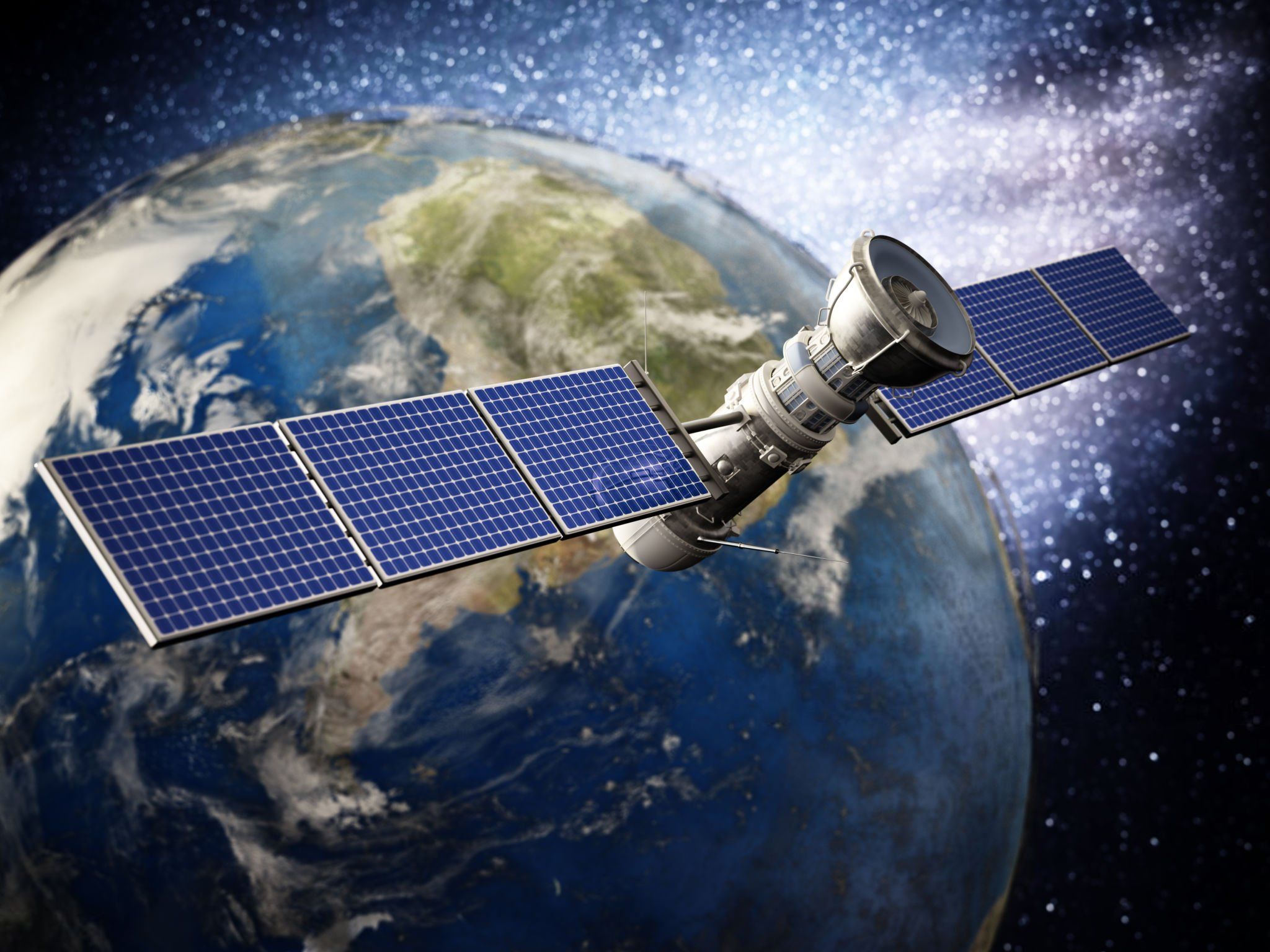
Operating Satellites
5. Conclusion
connectivity, satellite IoT can connect a large number of devices simultaneously, with the ability to support millions of devices concurrently thanks to high bandwidth and advanced satellite networks. However, the number of devices that can be connected simultaneously depends on the type of satellite (LEO or GEO), network configuration, and other optimization factors. With modern systems like Starlink and OneWeb, connectivity, satellite IoT will continue to expand connectivity and bring extremely useful applications in various industries.