 English
  Tiếng Việt
 In the context of climate change and the increasing frequency of natural disasters such as storms, floods, earthquakes, and fires, risk management becomes crucial. Internet of Things (IoT) technology has proven its significant role in improving the ability to detect and respond to these disasters. When IoT is combined with satellite technology, we can overcome many limitations of traditional networks and provide continuous connectivity, even in remote areas or those affected by natural disasters. In this article, we will explore how connectivity, satellite IoT can help manage risks in natural disasters.
A satellite
1. What is Satellite IoT and How Does It Work?
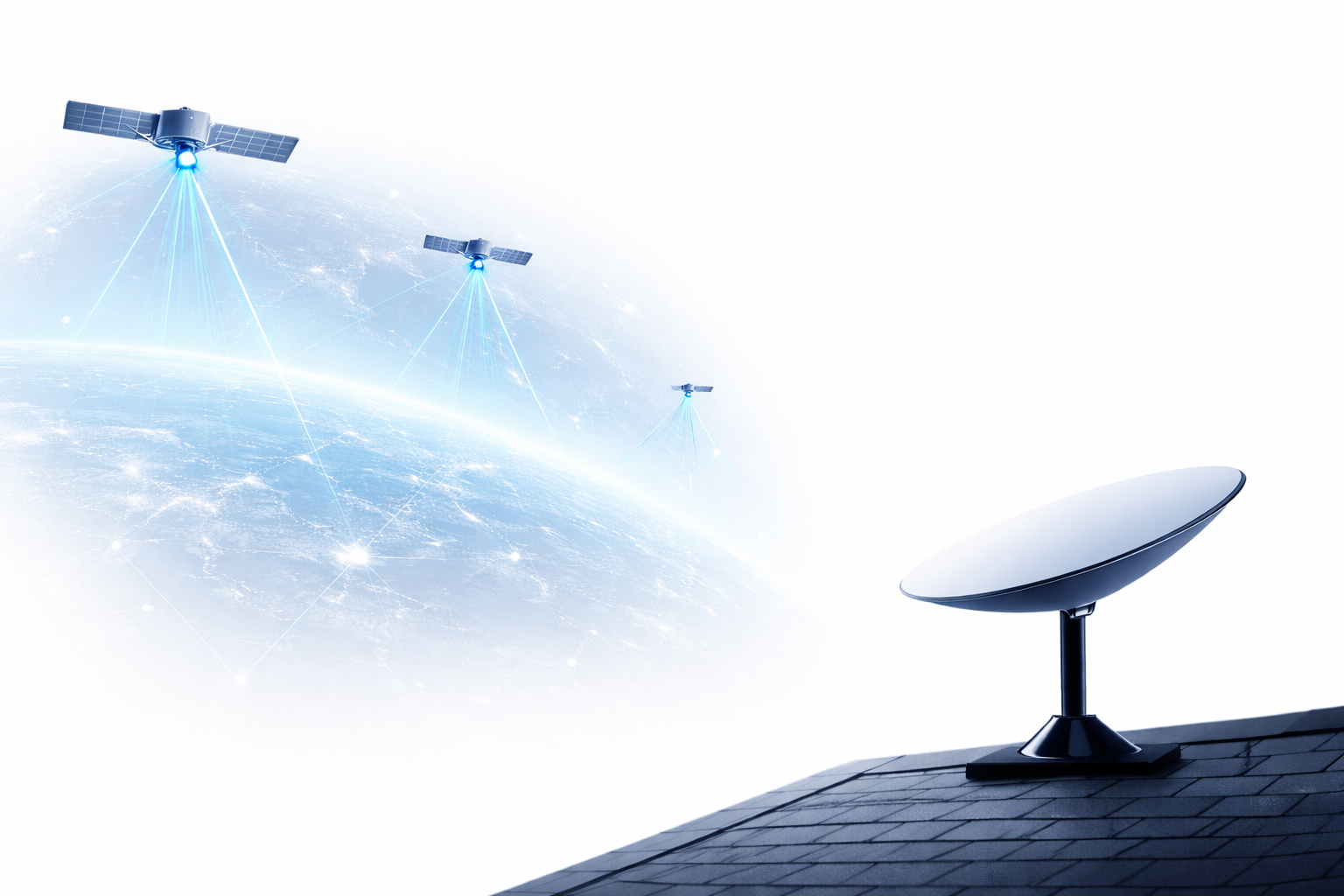
connectivity, satellite IoT is the combination of IoT devices and satellite networks to provide continuous and uninterrupted connectivity. While IoT devices collect and transmit data from sensors (such as temperature, humidity, or location sensors), satellites are responsible for transmitting this data into space and to control centers.
With the ability to connect even in deep, remote areas, or disaster-affected regions, satellite IoT opens up a crucial opportunity for rapid monitoring and response in emergencies.
2. The Role of Satellite IoT in Natural Disaster Risk Management
2.1. Monitoring and Early Detection of Disasters
Một trong những ứng dụng quan trọng của satellite IoT in natural disasters is environmental monitoring and early detection of warning signs of natural disasters. For example:
- Earthquake Warning: IoT sensors attached to geographical arrays can detect small changes in ground movement, thereby sending warning signals via satellite to relevant authorities for preparedness.
- Flood Warning: Water level sensors in flood-prone areas can transmit water level data via satellite, helping management agencies issue timely warnings to the community.
Using connectivity, satellite IoT helps to detect early warning signs of natural disasters, thereby minimizing damage and protecting lives.
2.2. Seamless Connectivity in Difficult Conditions
While mobile or Wi-Fi networks can be paralyzed when disasters strike, connectivity, satellite IoTensures continuous and stable connectivity even when traditional infrastructures are damaged. This is extremely important in maintaining communication between command centers, rescue teams, and people in the affected area.
- Connectivity in isolated environments: In areas affected by floods, wildfires, or earthquakes, satellites can maintain continuous connection with IoT devices to monitor the status of these areas and support rescue efforts.
- Rapid Information Sharing: Data on the disaster situation can be updated and shared via satellite immediately, providing relief agencies, governments, and communities with accurate and timely information.
2.3. Automating Response Processes
Another application of satellite IoT in disaster risk management is its ability to automate response processes. IoT systems can automatically detect incidents and take measures based on collected information. For example:
- Adjusting automated warning systems: When an IoT sensor identifies a dangerous situation (e.g., an approaching storm), the system can automatically trigger early warnings to residents and relevant authorities.
- Managing rescue resources: Through satellite IoT, rescue teams can receive detailed information about the conditions in affected areas, enabling accurate decisions on resource allocation.
2.4. Post-Disaster Monitoring Support
After a disaster strikes, connectivity, satellite IoThelps authorities monitor the situation and assess damage accurately and promptly. IoT sensors can be used to track environmental conditions, pollution levels, and changes in natural factors.
- Monitoring recovery: After a natural disaster occurs, sensors and IoT devices will help monitor the recovery of the environment and community, including factors such as air quality, water sources, and the stability of structures.
- Damage assessment: Data collected from IoT sensors can help relief teams assess the extent of damage and prioritize rescue and reconstruction efforts.
3. Benefits and Challenges of Satellite IoT in Natural Disaster Risk Management
Benefits
- Continuous Connectivity: Ensure that information about the disaster situation can be collected and transmitted promptly, even when traditional networks are damaged.
- Comprehensive monitoring: Provide continuous monitoring and prediction of natural events with high accuracy.
- Efficient data management: Improve the analysis and evaluation of large data from multiple IoT sensors, helping to make more accurate decisions in response and relief.
Challenges
- Deployment Costs: Installing a satellite IoT system requires a large investment, both in equipment and operating costs.
- Security and privacy: Data collected from IoT sensors can be sensitive, so information security is an important factor that needs attention.
- Compatibility: IoT devices and satellite systems need to ensure compatibility and stable operation under all conditions.

A satellite
4. Conclusion
connectivity, satellite IoT plays a crucial role in enhancing natural disaster risk management capabilities. By providing uninterrupted connectivity, continuous monitoring, and real-time data delivery, satellite IoT aids in early detection, automated response, and effective relief support. However, to fully harness the potential of this technology, businesses and authorities need to address challenges related to cost and security. With the advancement of satellite and IoT technology, responding to natural disasters will become increasingly effective and accurate.