 English
  Tiếng Việt
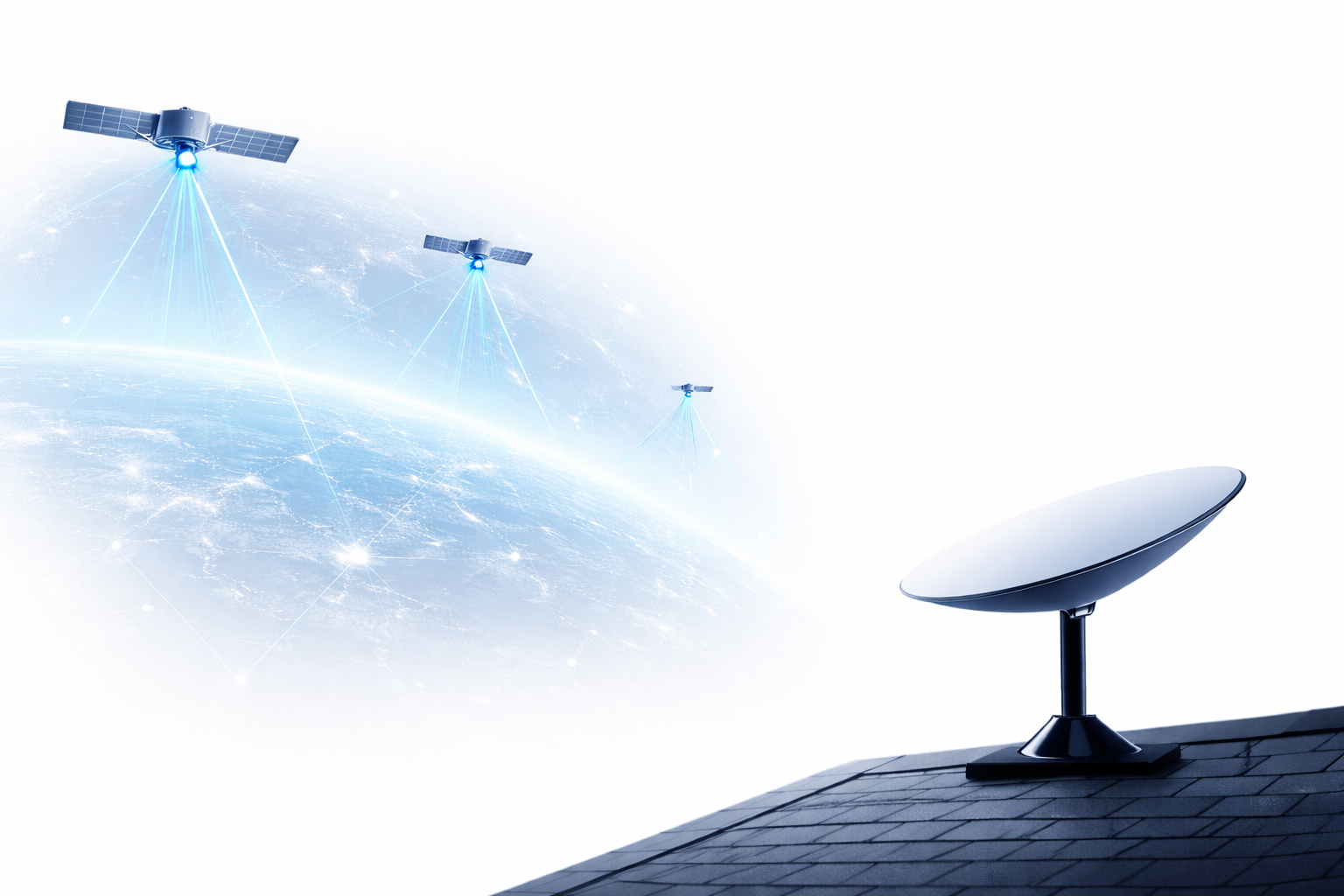
 The Internet of Things (IoT) technology is increasingly important in improving the operational efficiency of businesses. With the development of satellite technology, connectivity, satellite IoT offers powerful and seamless connectivity for devices and machines in all locations, even in remote areas without mobile network coverage. For small businesses, setting up a satellite IoT system can be a crucial step to optimize processes, improve work efficiency, and compete in the market. In this article, we will provide a detailed guide on how to set up a connectivity, satellite IoT system for small businesses.
Applications
1. What is Satellite IoT?
Satellite IoT is a technology that combines IoT devices with satellite networks, enabling data transmission and collection from smart devices anywhere in the world, including areas without traditional network connectivity. This is particularly useful for small businesses operating in remote or rural areas or in industries requiring remote monitoring and management such as agriculture, transportation, and logistics.
With satellite IoT, businesses can connect, track, and control their devices, machinery, and vehicles even when there is no mobile network or Wi-Fi.
2. Why Should Small Businesses Consider Satellite IoT?
2.1. Global and uninterrupted connectivity
One of the biggest benefits of satellite IoT is its ability to provide continuous connectivity, no matter where you are. This is crucial for small businesses operating in areas with unstable network infrastructure. For example, transportation or agricultural companies can track their vehicles or equipment anywhere without worrying about losing connection.
2.2. Reduced operational costs
Satellite IoT can help small businesses reduce operational costs through the monitoring and automation of processes. Remote monitoring systems help minimize unexpected failures and increase maintenance efficiency.
2.3. Effective remote management
Businesses can easily monitor the operating status of devices, vehicles, or even remote assets without needing to be physically present. This saves time and resources.
3. Steps to Set Up a Satellite IoT System for Small Businesses
3.1. Assess Needs and Satellite IoT Usage Goals
Trước khi bắt đầu, doanh nghiệp cần xác định rõ mục tiêu khi ứng dụng connectivity, satellite IoT. Your goal could be tracking vehicles, monitoring temperature and humidity in warehouses, or managing production equipment. Clearly defining needs helps businesses choose appropriate solutions.
- Transportation Fleet Tracking: Use satellite IoT to monitor the journey and performance of vehicles.
- Industrial Equipment Monitoring: Use IoT sensors to track the operational status of machinery.
- Warehouse and Asset Management: Track the quantity and status of goods in the warehouse, helping to prevent loss.
3.2. Choose an IoT Satellite Service Provider
Có rất nhiều nhà cung cấp dịch vụ vệ tinh cung cấp giải pháp IoT, và việc lựa chọn nhà cung cấp phù hợp với nhu cầu và ngân sách là rất quan trọng. Các nhà cung cấp lớn như Using a satellite hotspot, : With reasonable costs and wide coverage, Thuraya is chosen by many small and medium-sized businesses., continue to provide specialized connectivity services for complex IoT needs in hard-to-reach areas. and , especially known for its goal of providing high-speed Internet service to remote and isolated areas. With a network of thousands of small satellites (low Earth orbit – LEO) launched into space, đều cung cấp các dịch vụ IoT vệ tinh cho các doanh nghiệp nhỏ. Các yếu tố cần xem xét khi lựa chọn nhà cung cấp:
- The cost of : Select a service that fits the business's budget.
- Satellite connection availability: Ensure a strong and stable connection.
- Technical Support: Choose a provider with a professional technical support team to resolve issues when needed.
3.3. Selecting appropriate IoT devices and sensors
After selecting a satellite service provider, businesses need to identify the necessary IoT devices and sensors to collect data. These devices may include:
- GPS sensors: To track the location of vehicles or assets.
- Temperature, humidity sensors: For businesses in the field of storing or transporting temperature-sensitive goods.
- Device status sensors: Monitor the operating status of machinery, detect early failures.
3.4. Setting up the software system and management interface
After installing IoT devices, businesses need software or a system to manage and analyze the collected data. This system can be software provided by the IoT service provider, or custom-built software. Features required in the management system:
- plays an extremely important role. Satellite signals help rescue teams accurately determine the location of victims, even in remote and inaccessible areas.: View information about devices and vehicles in real-time.
- Alerts and notifications: Receive notifications when there are incidents or unusual changes in data.
- Reporting and analysis: Generate detailed reports on equipment performance and status, helping to make timely decisions.
3.5. System Testing and Optimization
Once the system is installed and operational, businesses need to perform testing and optimization to ensure everything runs smoothly. This process may include checking satellite signals, maintaining sensors and equipment, as well as adjusting system parameters for maximum performance.
4. Benefits and Challenges of Setting Up Satellite IoT for Small Businesses
Benefits
- Uninterrupted Connectivity: Satellite IoT helps connect devices in areas without cellular networks.
- Cost Savings: Monitoring and automation help reduce maintenance and operational costs.
- Improved Work Efficiency: Provides accurate and timely information for businesses to make better decisions.
Challenges
- Initial Investment Cost: Installing a satellite IoT system requires significant upfront investment.
- Security and privacy: Ensuring data security and preventing threats from hackers.
- Compatibility: Ensuring IoT devices and sensors can work together on a satellite platform.
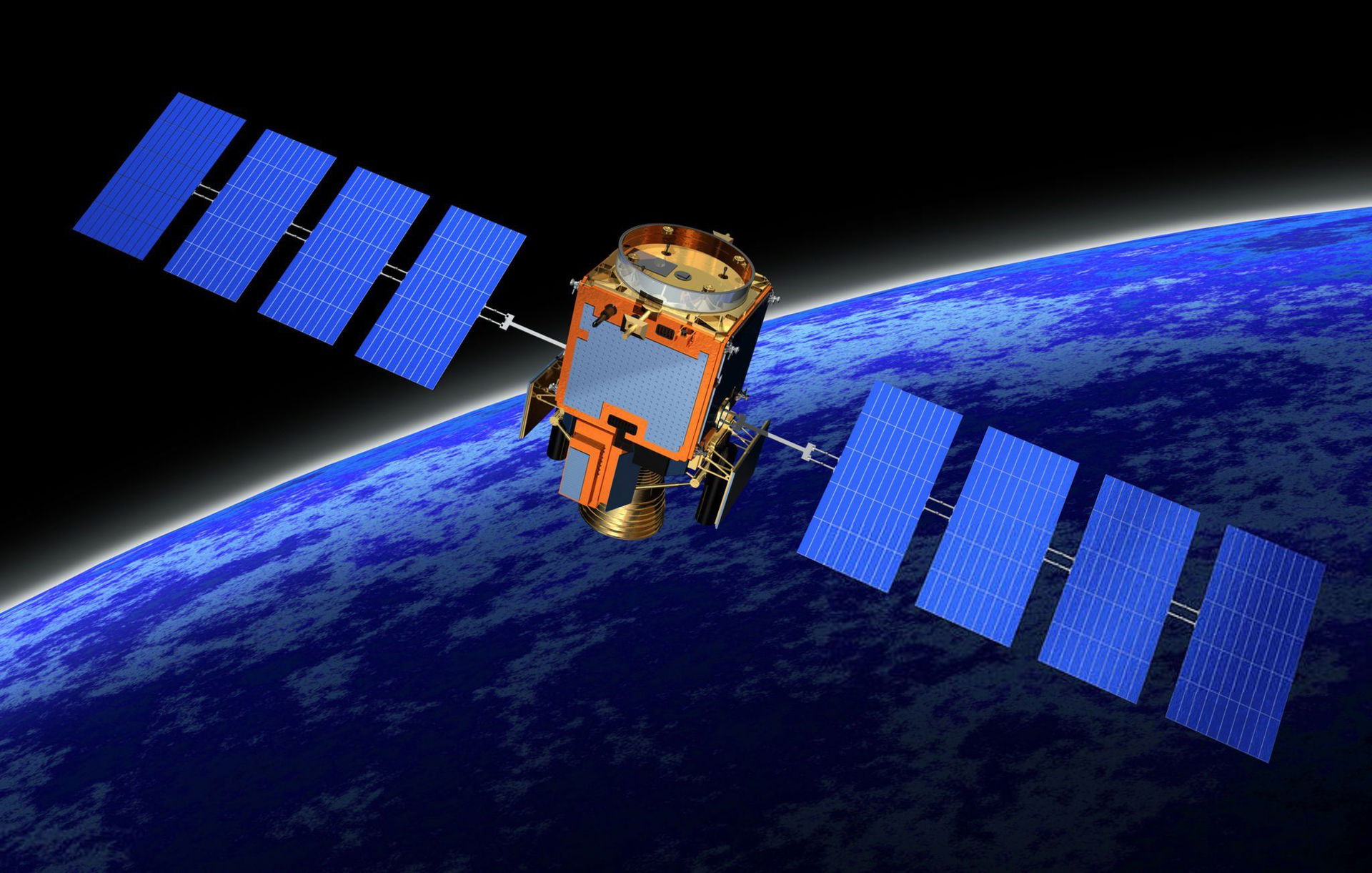
A satellite
5. Conclusion
Setting up a system connectivity, satellite IoT for small businesses can bring many benefits in terms of management efficiency, cost reduction, and increased competitiveness. However, to succeed, businesses need to carefully assess their needs, choose suitable suppliers and equipment, and not forget to optimize the system to ensure continuous and effective operation. By taking the above steps, small businesses can fully leverage the potential of satellite IoT in improving processes and sustainable development.