 English
  Tiếng Việt
 Internet of Things (IoT) is no longer a new concept in the automotive industry. However, when combined with satellite technology, satellite IoT is opening up vast opportunities and potential for the automotive sector. This combination not only provides always-on, everywhere connectivity but can also help optimize management, enhance performance, and improve user experience. However, there are also many challenges to overcome for this technology to reach its full potential. In this article, we will explore the potential and challenges of applying satellite IoT in the automotive industry.
A satellite
1. What is Satellite IoT and its Role in the Automotive Industry
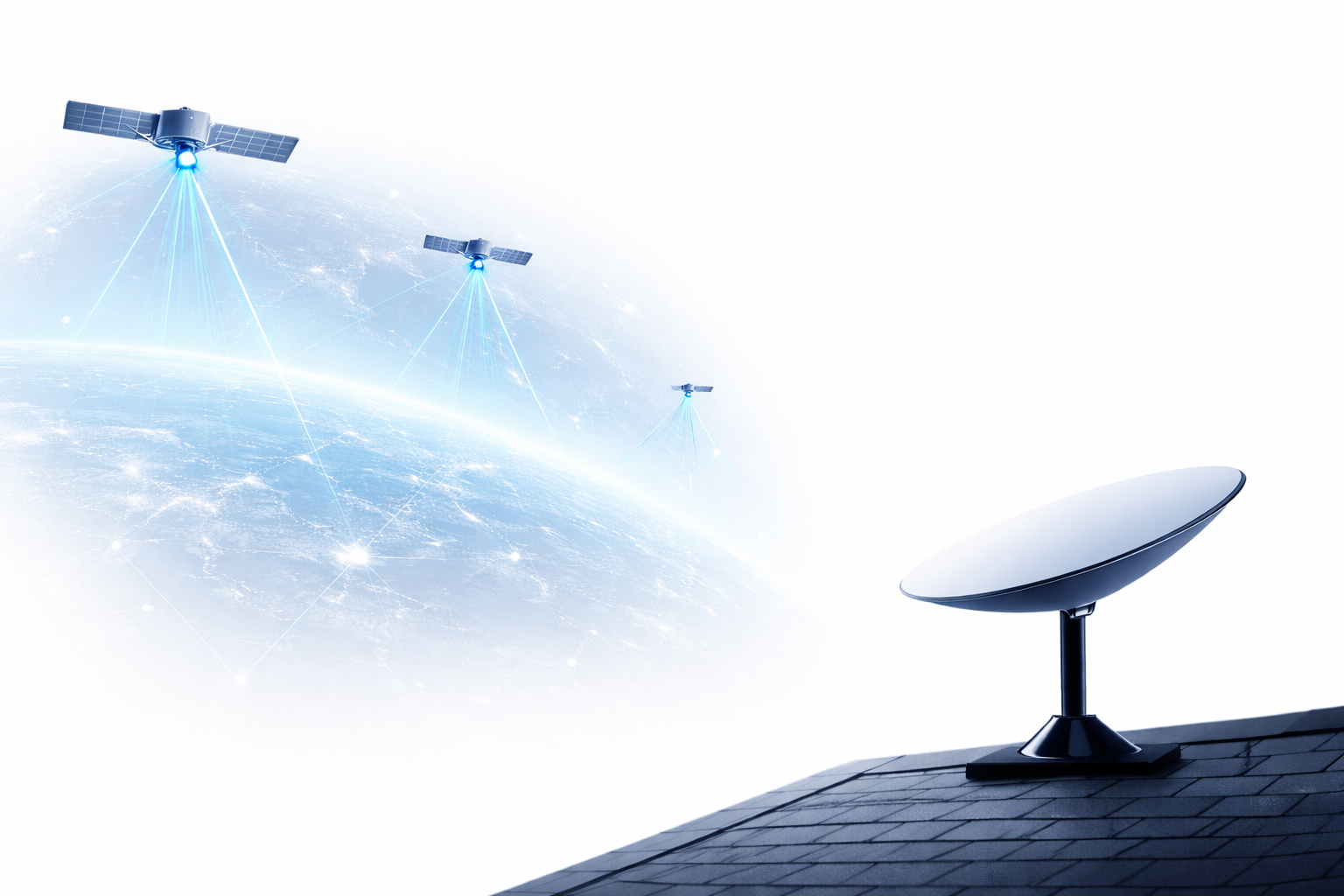
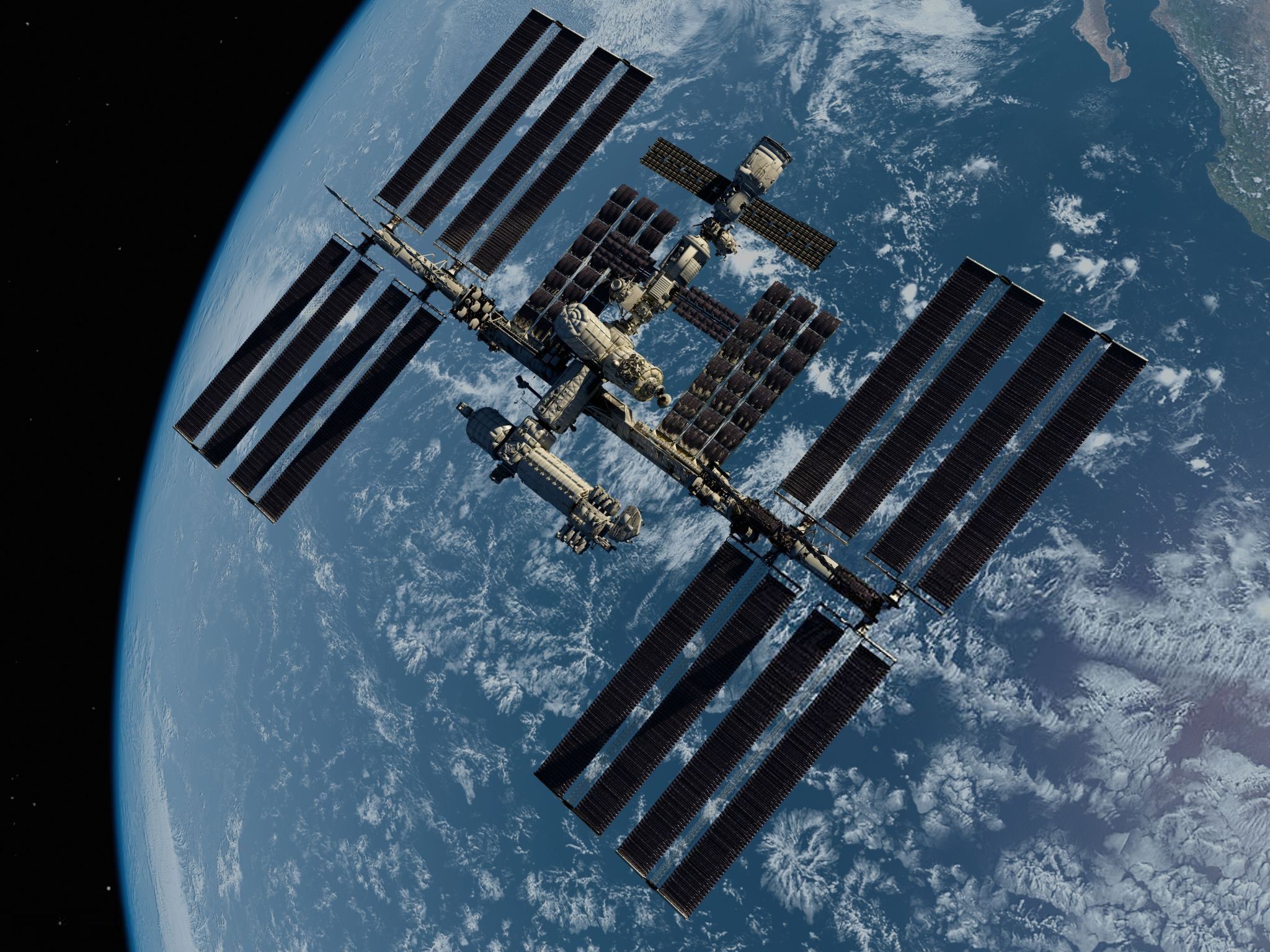
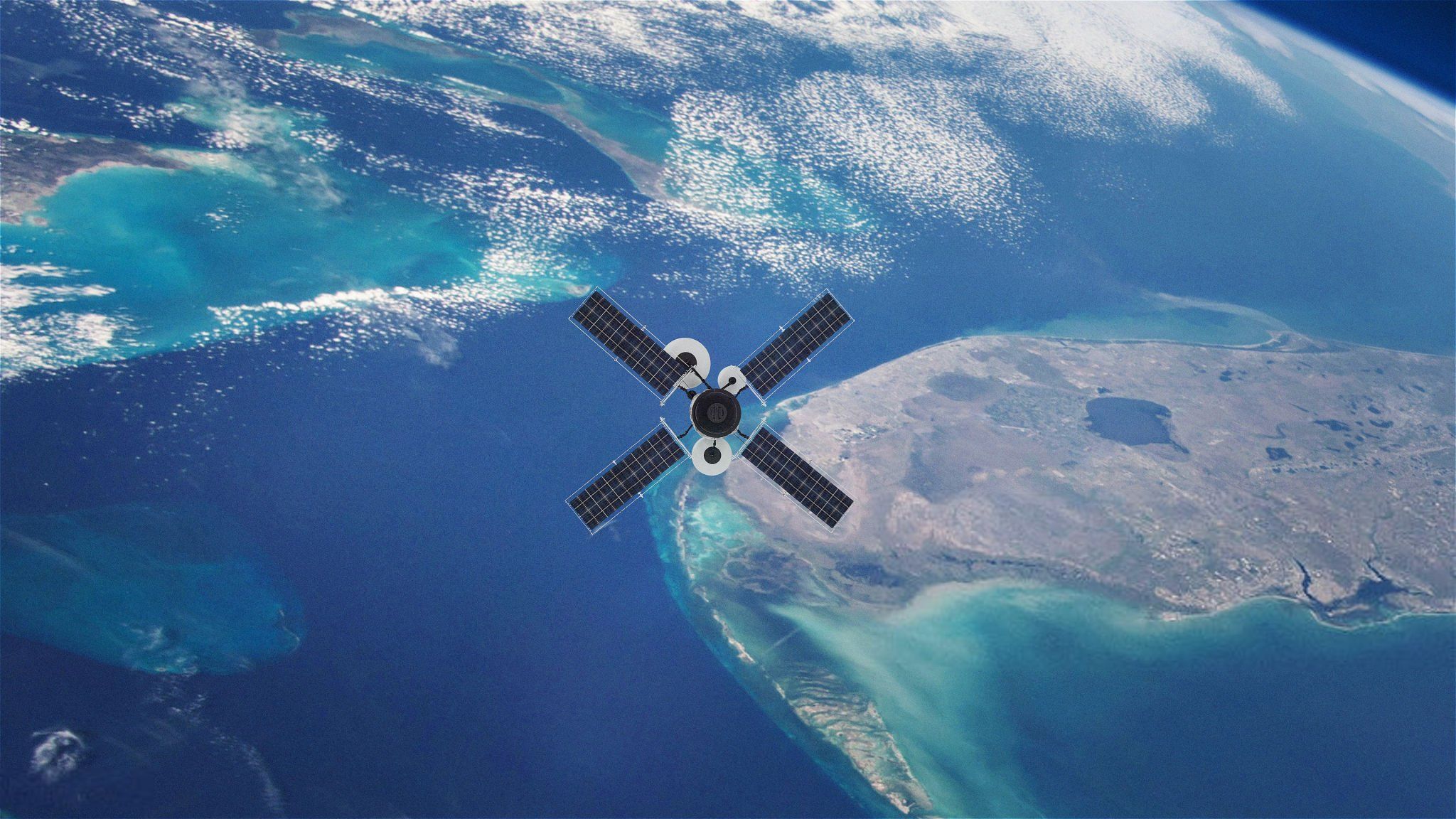
connectivity, satellite IoTis the integration of Internet of Things (IoT) devices with satellites to provide global connectivity. With the advancement of satellite networks, satellite IoT enables devices to connect, exchange data, and receive information continuously, even in remote areas where traditional mobile networks cannot provide coverage.
In the automotive industry, satellite IoT plays a crucial role in providing unlimited connectivity, ensuring that vehicles can collect and transmit data on location, operational status, maintenance, and safety-related factors. This forms the foundation for applications such as autonomous vehicles, electric vehicles, and car-sharing services.
2. Potential of Satellite IoT in the Automotive Industry
2.1. Global Connectivity and Wide Coverage
One of the biggest strengths of satellite IoT is its ability to provide global connectivity. This is particularly useful in situations where mobile networks cannot provide service, such as when vehicles travel through remote areas or across oceans. Automotive manufacturers can monitor and manage their vehicles remotely, ensuring flexibility and efficiency in traffic coordination, fleet control, or vehicle status monitoring.
2.2. Enhanced Safety and Efficiency
When combined with technologies like GPS and sensors, satellite IoT helps automotive manufacturers improve safety features and real-time monitoring. For example, intelligent control systems can help detect incidents immediately and transmit information to support centers, minimizing damage and enabling timely assistance. Simultaneously, satellite IoT also helps monitor vehicle operational indicators, thereby optimizing fuel efficiency and saving maintenance costs.
2.3. Supporting Autonomous Vehicle Development
Autonomous vehicles represent one of the most significant potential applications of IoT in the automotive industry. For autonomous vehicles to operate safely and efficiently, rapid and continuous information exchange is essential. Satellite IoT helps connect autonomous vehicles with control systems and large databases, enabling them to perform tasks such as navigation, obstacle detection, and communication with other vehicles.
2.4. Fleet Management and Optimization
With satellite IoT, transportation companies and businesses owning fleets can monitor vehicle status, routes, and operational performance in real-time. This helps optimize routes, minimize vehicle downtime, and save fuel costs. Furthermore, the collected data supports trend analysis and predictive maintenance, enhancing vehicle longevity.
3. Challenges of Satellite IoT in the Automotive Industry
3.1. Deployment and Maintenance Costs
Despite the vast potential of satellite IoT, the cost of deploying and maintaining this system presents a significant challenge. Installing satellite IoT devices in vehicles requires a substantial initial investment, especially for automotive manufacturers or large-scale transport companies. Additionally, maintaining and updating these systems can also be costly in the long run.
3.2. Security and Privacy
With the collection and transmission of massive amounts of data, security becomes a critical issue for satellite IoT applications in automobiles. Threats such as cyberattacks, unauthorized access to vehicle control systems, or theft of users' personal data are factors that need careful consideration. Ensuring information security and protecting consumer privacy will be crucial factors for the sustainable development of satellite IoT technology in the automotive industry.
3.3. Compatibility and Standardization
The issue of compatibility between IoT devices and existing satellite systems is also one of the major challenges. Automotive manufacturers need to ensure that their IoT systems can be easily integrated with satellites, as well as effectively communicate with various devices. The lack of a common standard for satellite IoT in the automotive industry can increase product development costs and time.
A satellite
4. Conclusion
Satellite IoT offers immense potential opportunities for the automotive industry, from enhancing connectivity, increasing safety, supporting the development of self-driving cars, to optimizing fleet operational efficiency. However, to fully leverage the benefits of this technology, the automotive industry must overcome challenges related to cost, security, and compatibility. The development of common standards and technological advancements will be key factors in making satellite IoT an indispensable part of the future of the automotive industry.