
 English
  Tiếng Việt
 In the context of global connectivity, technology and satellites, allowing IoT devices to be connected and transmit data via satellite instead of mobile networks or ground infrastructure. This is particularly useful in remote areas where mobile or stable internet networks are unavailable, enabling easy and efficient device connection and data transmission. is gradually becoming a critical factor in many industries, from logistics to agriculture. However, one of the major challenges for traditional IoT systems is their reliance on mobile networks, making them difficult to operate effectively in areas without mobile signals or unstable network infrastructure. To address this issue, connectivity, satellite IoT has emerged as a powerful solution to connect devices anywhere, even in remote and underserved regions.
- Installation of Beam Iridium Satellite Signal Booster Antenna on Bach Long Vi Island
- Installation of the Portable Starlink Mini Kit in Tam Dao district, Vinh Phuc province
- SAILOR 6310 150W MF/HF Marine Transceiver
- Cost of using a satellite WiFi hotspot: Is it budget-friendly?
- How to use a satellite WiFi hotspot when there is no cellular service?
In this article, we will explore satellite IoT systems, how they operate in areas without mobile networks, and the practical applications of this technology.
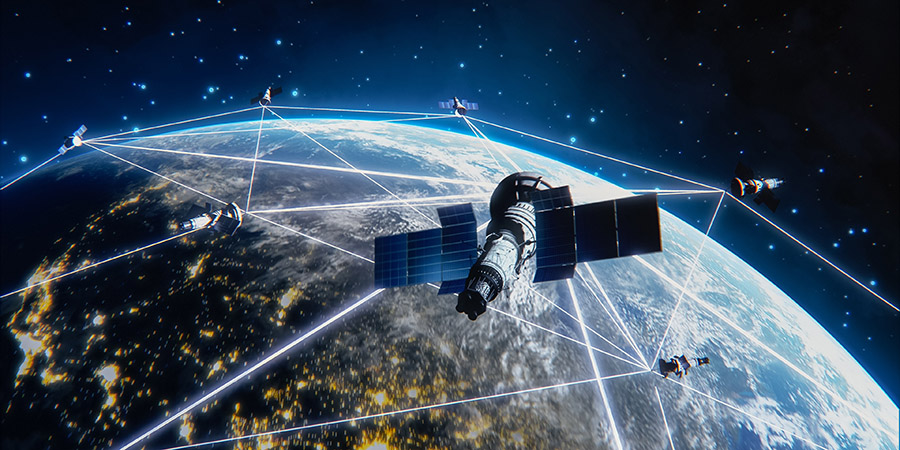
A satellite
1. What is Satellite IoT?
connectivity, satellite IoT is a system that connects devices via satellites instead of relying on cellular connections or terrestrial internet networks. This means IoT devices can transmit data from anywhere on Earth, as long as they have satellite coverage, without depending on mobile networks or land-based infrastructure.
With the advancement of satellite and Internet of Things technology, connectivity, satellite IoT systems provide connectivity and data transmission capabilities from sensor devices in remote, hard-to-reach areas where there is no mobile signal, including remote regions, seas, high mountain areas, or disaster-stricken zones.
2. How Satellite IoT Systems Operate in Areas Without Mobile Networks
Satellite Connectivity
In connectivity, satellite IoT, sensor devices (such as temperature and humidity sensors, GPS location sensors, etc.) are connected to artificial satellites instead of cellular base stations. These satellites send and receive signals from IoT devices, enabling data transmission through space without the need for a mobile network.
Here's how the connectivity, satellite IoT:
- IoT sensors collect data: IoT devices equipped with sensors collect data from their surroundings, such as temperature, humidity, vibration, or GPS location of goods, vehicles, or equipment.
- Transmit signal via satellite: The data is transmitted through an intermediary device (satellite modem) to a satellite orbiting the Earth. These satellites can be geostationary or Low Earth Orbit (LEO), each with different operational methods and coverage areas.
- Satellite sends data to ground station: Signals from the satellite are sent down to ground receiving stations, where the data is analyzed and sent to a central management system or users via Internet connection or other networks.
- Analyze and use data: Businesses or end-users can monitor, analyze, and use the data received from IoT devices to make timely decisions, such as supply chain management, environmental monitoring, or fleet coordination.
No Mobile Network Needed
One of the prominent advantages of connectivity, satellite IoT is its independence from the cellular networks. While traditional IoT systems require a connection to a mobile network (3G, 4G, or 5G) to transmit data, connectivity, satellite IoT can operate in areas with no or weak mobile signals. This makes satellite IoT particularly useful in the following scenarios:
- Remote areas: Deep and remote regions without strong mobile networks, such as rural areas, high mountainous regions, or icy and snowy areas.
- Natural Disasters or Catastrophes: After natural disasters, mobile networks can be damaged or out of service, but satellites can still maintain a stable connection.
- Oceans and Space: Large sea areas without mobile networks, but satellite IoT can still track and monitor vessels, monitor meteorology, or manage fisheries.
3. Applications of Satellite IoT in Areas Without Mobile Networks
Monitoring Goods in the Supply Chain
In the supply chain, monitoring goods, especially those requiring special storage conditions (such as food, pharmaceuticals, etc.), is crucial. Satellite IoT helps companies remotely monitor the location and status of goods, even when shipments travel through areas without mobile network signals.
Monitoring Fleets and Transportation Vehicles
connectivity, satellite IoThelps businesses manage fleets and transportation vehicles in areas without mobile networks, such as remote areas, or at sea. GPS sensors and vehicle status sensors can transmit information about speed, location, and vehicle status to the control center via satellite.
Applications in Agriculture
Satellite IoT can assist in remotely monitoring environmental factors such as humidity, temperature, and soil conditions in large agricultural areas where mobile networks may not have full coverage. This allows farmers to receive timely information to make decisions about irrigation, fertilization, or harvesting.
Monitoring Environment and Wildlife
Wildlife conservation organizations and environmental researchers can use connectivity, satellite IoTto track migratory animals, measure air quality, and monitor environmental factors without interruption due to the absence of mobile networks.
Monitoring Seas and Oil & Gas
In the oil and gas industry or offshore operations, satellite IoT can monitor equipment, vessels, or wells in remote sea areas where stable mobile network signals are unavailable. IoT sensors can send data on climate conditions, oil or gas levels, and other factors to the control center.
4. Benefits of Satellite IoT in Areas Without Mobile Networks
Global Connectivity
Satellite IoT provides global connectivity without relying on mobile network infrastructure. This helps businesses maintain continuous operations in all situations and locations.
Operation in All Regions
With the ability to operate in areas without mobile networks or with unstable connections, connectivity, satellite IoT expands monitoring and control capabilities for organizations and businesses.
Cost Effective
Compared to building mobile network infrastructure in remote areas, using connectivity, satellite IoT can save significant costs. Businesses do not have to invest in expanding mobile networks or Internet infrastructure in remote and underserved areas.

A satellite
Conclusion
connectivity, satellite IoT is a breakthrough technology that enables connecting devices via satellite without relying on mobile networks. This allows businesses and organizations to monitor and manage operations in areas without mobile network signals. With global coverage and high flexibility, connectivity, satellite IoT will continue to play a vital role in developing remote monitoring and management applications across various industries.