 English
  Tiếng Việt
 The satellite positioning (GPS) là một công nghệ quan trọng trong nhiều lĩnh vực, từ giao thông vận tải, quân sự cho đến các ứng dụng hàng ngày như tìm đường trên điện thoại di động. Tuy nhiên, nhiều người dùng vẫn thắc mắc rằng liệu time có ảnh hưởng đến độ chính xác của các hệ thống định vị này hay không. Bài viết dưới đây sẽ giúp bạn giải đáp câu hỏi: Is the Global Positioning System affected by time? và làm rõ các yếu tố liên quan đến vấn đề này.
AI Satellites
1. How does the satellite navigation system (GPS) work?
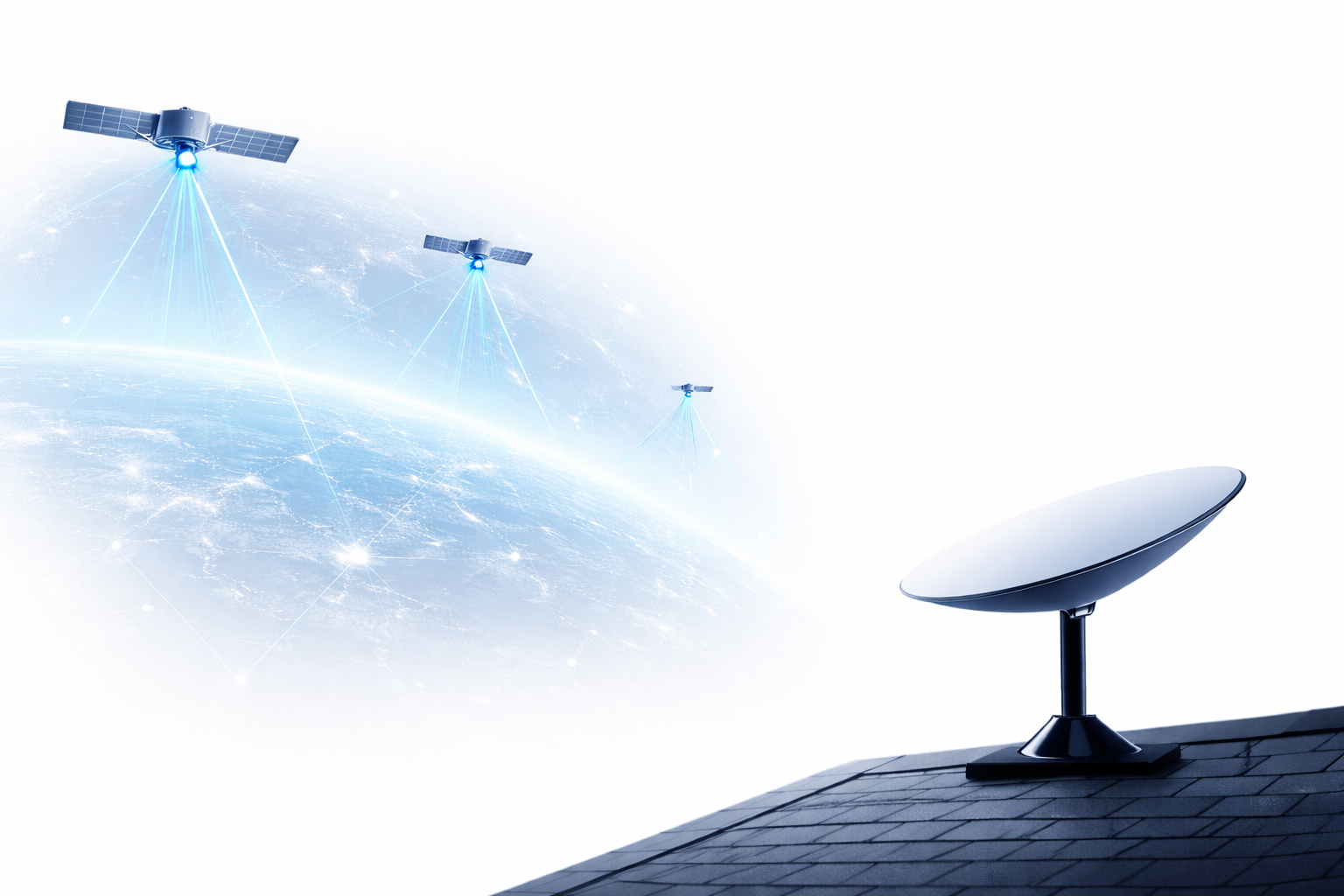
The satellite positioning là một mạng lưới các vệ tinh quay quanh Trái Đất, gửi tín hiệu đến các thiết bị nhận tín hiệu như điện thoại, ô tô, hoặc đồng hồ GPS. Hệ thống này dựa trên nguyên lý đo khoảng cách từ các vệ tinh đến thiết bị nhận tín hiệu. Mỗi vệ tinh liên tục gửi thông tin về vị trí và thời gian của nó.
To determine the precise location, GPS signal receiving devices need to receive at least 4 signals from 4 different satellites. These signals will be used to calculate the distance, thereby determining the device's position on the Earth's surface.
2. Does time affect the satellite navigation system?
Câu trả lời là có, time có thể ảnh hưởng đến độ chính xác của hệ thống định vị vệ tinh. Tuy nhiên, không phải là thời gian trôi qua mà là các yếu tố liên quan đến sự thay đổi của thời gian có thể gây ảnh hưởng, bao gồm:
a. Errors due to satellite clock and device clock
Mỗi vệ tinh trong hệ thống GPS đều mang theo một đồng hồ nguyên tử cực kỳ chính xác. Tuy nhiên, khi các tín hiệu được truyền từ vệ tinh đến thiết bị trên mặt đất, các yếu tố như speed of light, Clock error and signal transmission distance can create errors.
Specifically, if there is a small time difference between the satellite clock and the signal receiving device clock (due to clock error), this will lead to discrepancies in distance calculation and ultimately affect the positioning results.
b. Time Dilation Phenomenon
According to the theory of General Relativity by Albert Einstein, time will pass slower for fast-moving objects compared to stationary objects. This can cause errors in GPS systems. GPS satellites orbit the Earth at very high speeds, and according to relativity theory, time passes slower for them compared to clocks on the ground.
However, the GPS system has been designed to calculate and adjust for these effects, so this time dilation error is very small and can be corrected during the system's calculations.
c. Satellite Signal Delay Phenomenon
Signals from satellites must pass through the Earth's atmospheric layers before reaching the receiving device. The Latency in the signal transmission process through the atmospheric layers (especially the ionosphere) can affect the precise time the signal reaches the device. This can lead to errors in positioning.
The GPS system also has adjustment algorithms to minimize this error, but changes in atmospheric conditions can affect accuracy in some cases.
3. Other factors affecting the accuracy of satellite positioning systems
Besides time issues, several other factors can also affect the accuracy of satellite positioning:
systems.
Not all satellites in the GPS system operate with the same efficiency. If a satellite malfunctions or cannot transmit signals properly, the system's accuracy will decrease. New or maintained satellites can help improve accuracy.
b. Terrain and obstacles
Physical factors such as tall buildings, mountains, or dense forests can cause reflected or blocked signals, reducing the accuracy of the GPS system. These areas may experience signal issues, making it difficult for devices to determine their exact location.
c. Changes in atmospheric conditions
As mentioned above, atmospheric conditions such as changes in humidity or temperature can affect GPS signals. In particular, rain or other natural factors can reduce GPS accuracy.
4. New technologies help improve the accuracy of satellite navigation systems
Research and advancements in GPS technology are constantly evolving to overcome issues with time and accuracy. Some new technologies include:
a. Using multinational satellite systems
Not only is expanding its reach and applications globally. However, despite certain advantages, in the US, other satellite systems such as Galileo (EU), BeiDou (China) and GLONASS (Russia) are also being deployed, helping to provide signals from more satellites, thereby improving accuracy and minimizing errors due to time effects.
b. Satellite positioning combined with other technologies
Modern GPS systems today combine with Wi-Fi, Bluetooth and cellular networks to improve accuracy in environments with weak GPS signals, such as in buildings or densely populated urban areas.
c. Satellite clock synchronization technology
New systems also apply highly accurate clock synchronization technology between satellites and devices, helping to minimize time differences and improve positioning accuracy.
A satellite
5. Conclusion
Although time affects the system satellite positioning, especially when it comes to clock errors and time dilation effects, but modern GPS systems are designed to minimize these influences. Improved algorithms and technologies are making GPS systems more accurate, and the use of satellites from different countries along with clock synchronization technologies also helps to improve accuracy.
In summary, satellite navigation systems can be affected by time, but these impacts are very small and can be overcome thanks to modern technological advancements.