 English
  Tiếng Việt
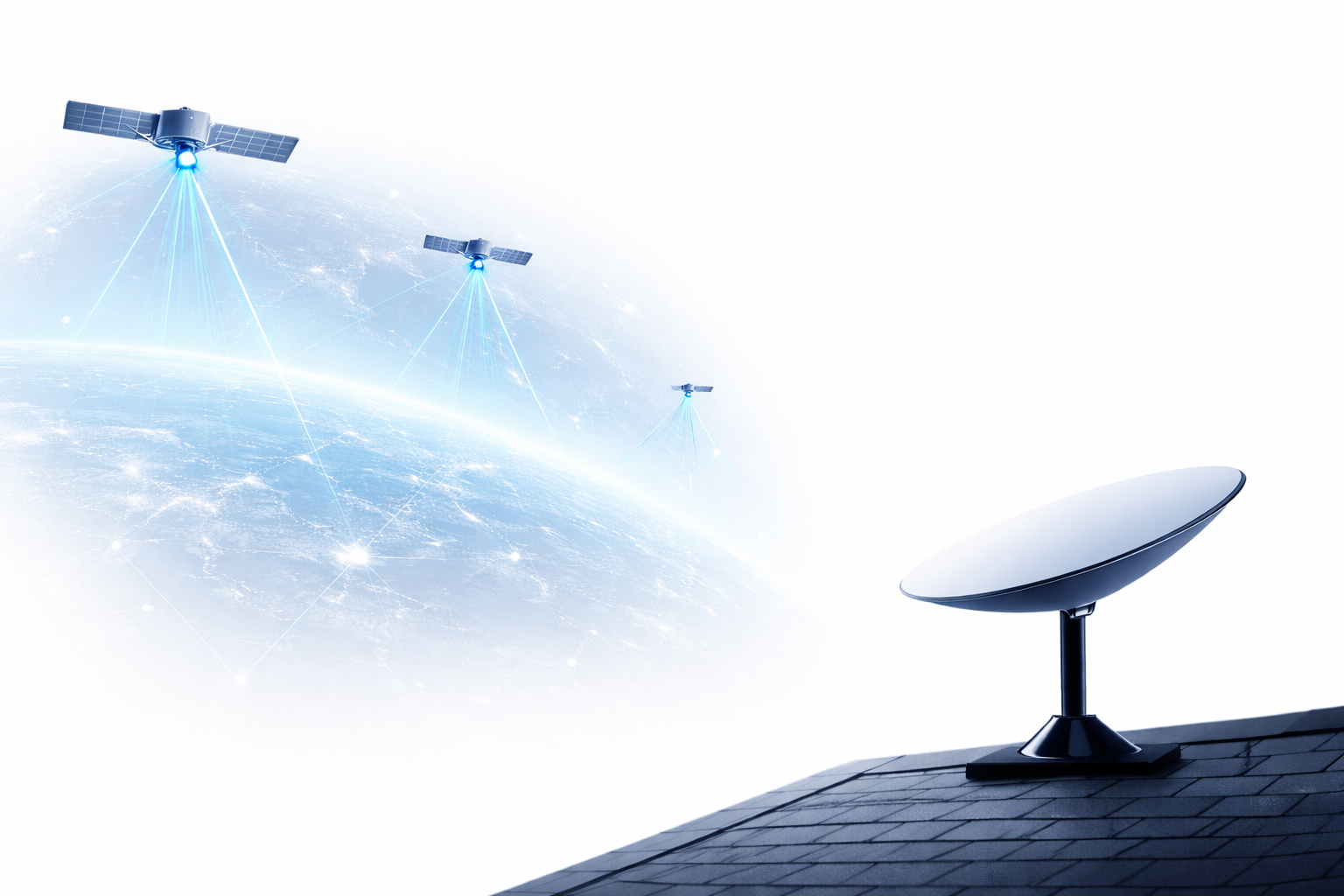
 In the modern technological era, artificial intelligence (AI) has been creating profound impacts, not only in fields such as healthcare and finance, but also in the space industry. One of the notable applications of AI is in satellite development, opening new opportunities for improving operational efficiency and monitoring, forecasting capabilities in space. Let's explore the satellite development trends in the AI era, how the combination of modern satellite technologies and AI is bringing new breakthroughs and shaping the future of the satellite industry.
AI Satellites
AI Satellites: Definition and Potential
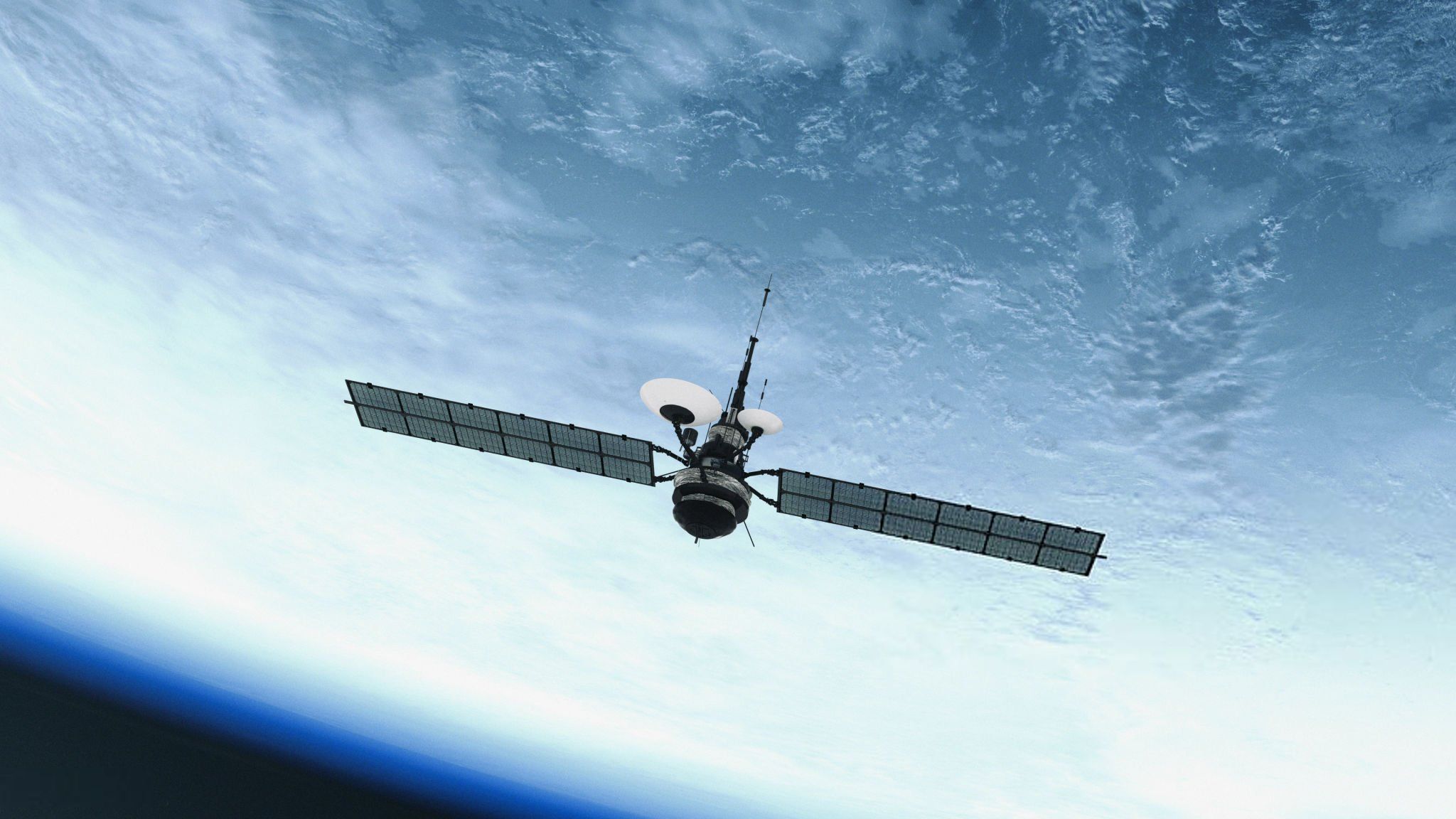
AI Satellites are satellites equipped with artificial intelligence technology, enhancing their ability to analyze and process data directly on the satellite without needing to transmit all data back to Earth. This not only saves bandwidth but also reduces decision-making latency.
These satellites have the ability to self-learn and adapt to space conditions, from identifying and analyzing natural events like storms and earthquakes, to providing real-time information on climate change, and even serving military and security purposes.
Modern Satellite Technology: The Fusion of AI and Space
The combination of AI and modern satellite technologies are changing the way satellites operate in space. Here are some prominent trends in satellite development:
1. Enhanced Automation and Decision-Making Processes
One of the powerful applications of AI in satellites is the ability to automate and make rapid decisions. AI-powered satellites can perform tasks without human intervention, such as automatically adjusting orbits, changing direction to avoid collisions, or fine-tuning systems to optimize performance.
In addition, AI can help analyze image data collected from space, identify objects, and calculate parameters like the position and speed of space debris, enabling satellites to respond quickly to potential hazards..
2. Big Data Analysis from Space
With the significant increase in the number of satellites in space, the volume of data collected is growing exponentially. Traditionally, processing this massive amount of data could only be done on the ground, but with the advancement of AI, satellites can now analyze big data directly in space.
AI can identify patterns, detect anomalies, and provide more accurate forecasts about climate conditions, environmental status, and many other issues. For example, AI satellites can detect storm clouds, analyze atmospheric variations, and predict natural disasters before they occur, enhancing response capabilities and minimizing damage.
3. Improved Earth Observation and Monitoring Capabilities
AI Satellites also play a crucial role in monitoring and observing the Earth, supporting research on climate change, environmental monitoring, agriculture, and security. Modern satellites are equipped withAI sensorsthat can collect and analyze data on factors such as humidity, temperature, vegetation density, and air quality. This provides detailed, rapid, and accurate information to government organizations, scientists, and companies researching environmental protection and combating climate change.
4. Supporting AI and Machine Learning Models
A notable feature of AI satellites is their ability to learn and adapt. Throughmachine learning, satellites can automatically improve their analysis, recognition, and decision-making algorithms, thereby optimizing space monitoring and observation activities. These machine learning models can help satellites become increasingly intelligent, making more accurate predictions and warnings in emergency situations, such as predicting storms or alerting to the presence of space debris.
Future Satellites: AI Shaping a New Era
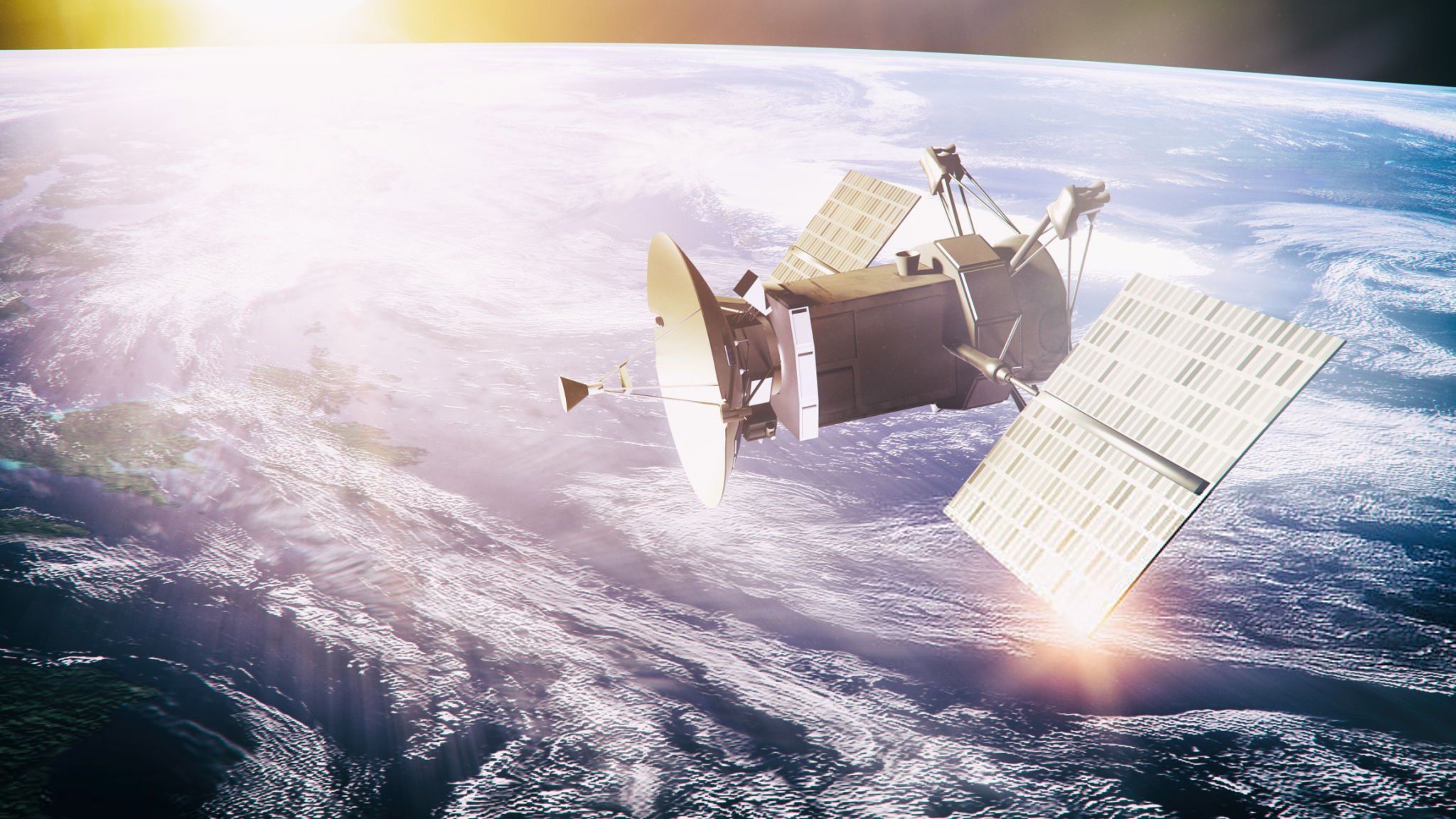
Looking ahead,future satelliteswill not just be passive monitoring tools but will become active systems capable of self-learning, making decisions, and responding quickly to changing situations in space. One of the powerful applications ofAI satellitesin the future is the integration of AI with satellite networks to createunified satellite systemsthat can combine data from multiple satellites and provide more comprehensive analyses of the space environment.
Additionally,AI will also help reduce satellite operational costs, optimize efficiency, and minimize the need for frequent satellite maintenance. Future satellites can be equipped with more efficient power systems, helping to extend their lifespan and reduce costs associated with replacement and upgrades.
Future satellites
Conclusion
AI Satellites are creating a leap forward in the space industry, helping to develop modern satellite technologies with automatic and rapid data analysis and processing capabilities. These satellites not only improve monitoring and forecasting capabilities but also usher in a new era of automation, machine learning, and performance optimization in space. Future satellites will not only be smarter but also become more powerful tools in solving global environmental, security, and scientific problems.
With the combination of AI and space, we are witnessing a significant step towards a more sustainable and efficient future for the satellite industry.