 English
  Tiếng Việt
 Satellite phones are important communication tools, helping to connect moving vehicles, from ships and aircraft to rescue units in emergency situations. In the maritime and aviation industries, satellite phones play an indispensable role in maintaining continuous and accurate communication, especially in remote areas or where mobile networks are unavailable. So, what is the role of satellite phones in the maritime and aviation industries? Let's find out in detail through the article below.
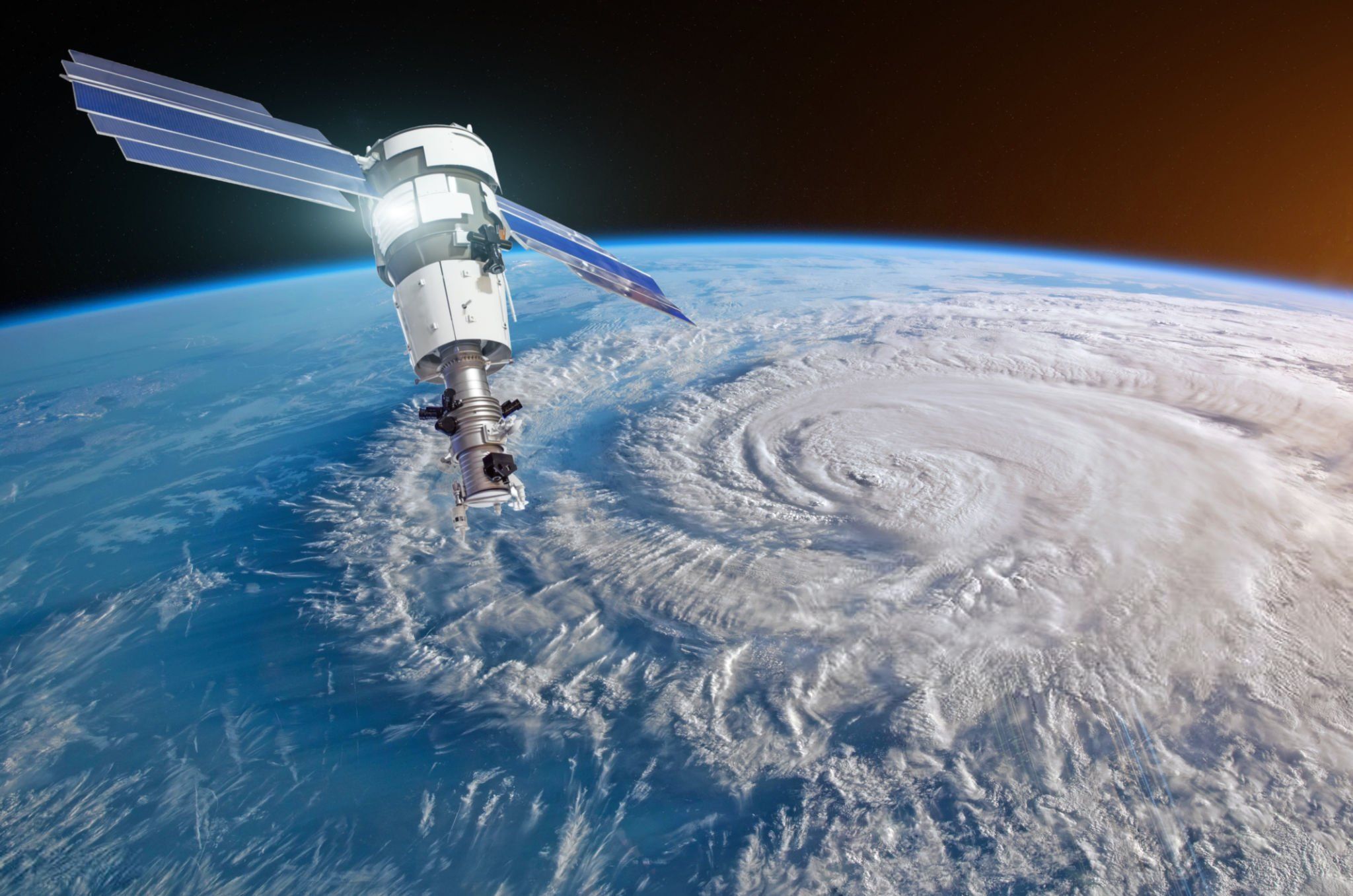
A satellite
1. What is a Satellite Phone?
A satellite phone is a communication device that uses satellite signals to transmit data and information from one point to another without relying on ground-based base stations. Satellite phones can operate anywhere in the world as long as they have a clear view of the orbiting satellites, from crowded city areas to remote regions, at sea, or during flights in the air.
2. Role of Satellite Phones in the Maritime Industry
In the maritime industry, satellite phones play a crucial role in maintaining communication between ships and control centers or between ships and rescue teams in emergency situations. Some specific applications of satellite phones in the maritime industry include:
- Communication between ship and control station: Ships often travel through vast sea areas where there is no mobile signal. Satellite phones help maintain continuous communication between the ship and shore control stations, ensuring safety and efficiency throughout the journey.
- Rescue and emergency support: In case of an incident, such as a collision, breakdown, or shipwreck, a satellite phone is the only communication device that can operate, allowing for remote rescue calls and quick alerts to authorities.
- : You can track your assets through online dashboards or mobile applications, receiving notifications of any unusual changes.: Satellite phones are not only used for communication but also help track the location of ships during their voyage, thanks to the built-in GPS technology, allowing authorities to monitor and provide timely support.
3. Role of Satellite Phones in the Aviation Industry
In the aviation industry, satellite phones also play an important role in maintaining communication between aircraft and ground control centers, especially in areas without mobile network coverage, such as remote areas or when aircraft fly at high altitudes. Some applications of satellite phones in the aviation industry include:
- Communication between pilots and air traffic control centers: Aircraft frequently fly over areas without mobile coverage. Satellite phones help maintain communication between pilots and air traffic control centers, ensuring that information about flight status, weather, and important announcements is continuously transmitted.
- Rescue and emergency response: In case of an aircraft incident or accident offshore or in remote sea areas, a satellite phone is a crucial tool for pilots or flight attendants to contact rescue teams and request emergency assistance.
- Flight coordination: Satellite transceivers help coordinate flights, ensuring pilots receive timely information about other flights, schedule changes, or unusual weather alerts.
4. Benefits of Satellite Transceivers in Maritime and Aviation Industries
- Ensure uninterrupted communication: Satellite transceivers do not depend on ground-based mobile network infrastructure, thus ensuring stable communication even when vehicles travel through areas with no mobile phone signal.
- Support emergency rescue: Satellite transceivers help quickly contact rescue teams in emergency situations, thereby minimizing risks and saving the lives of those in distress.
- Save costs and time: Compared to other communication methods, satellite transceivers help reduce communication costs and time, especially when direct connection with control stations can be established without going through intermediate communication channels.
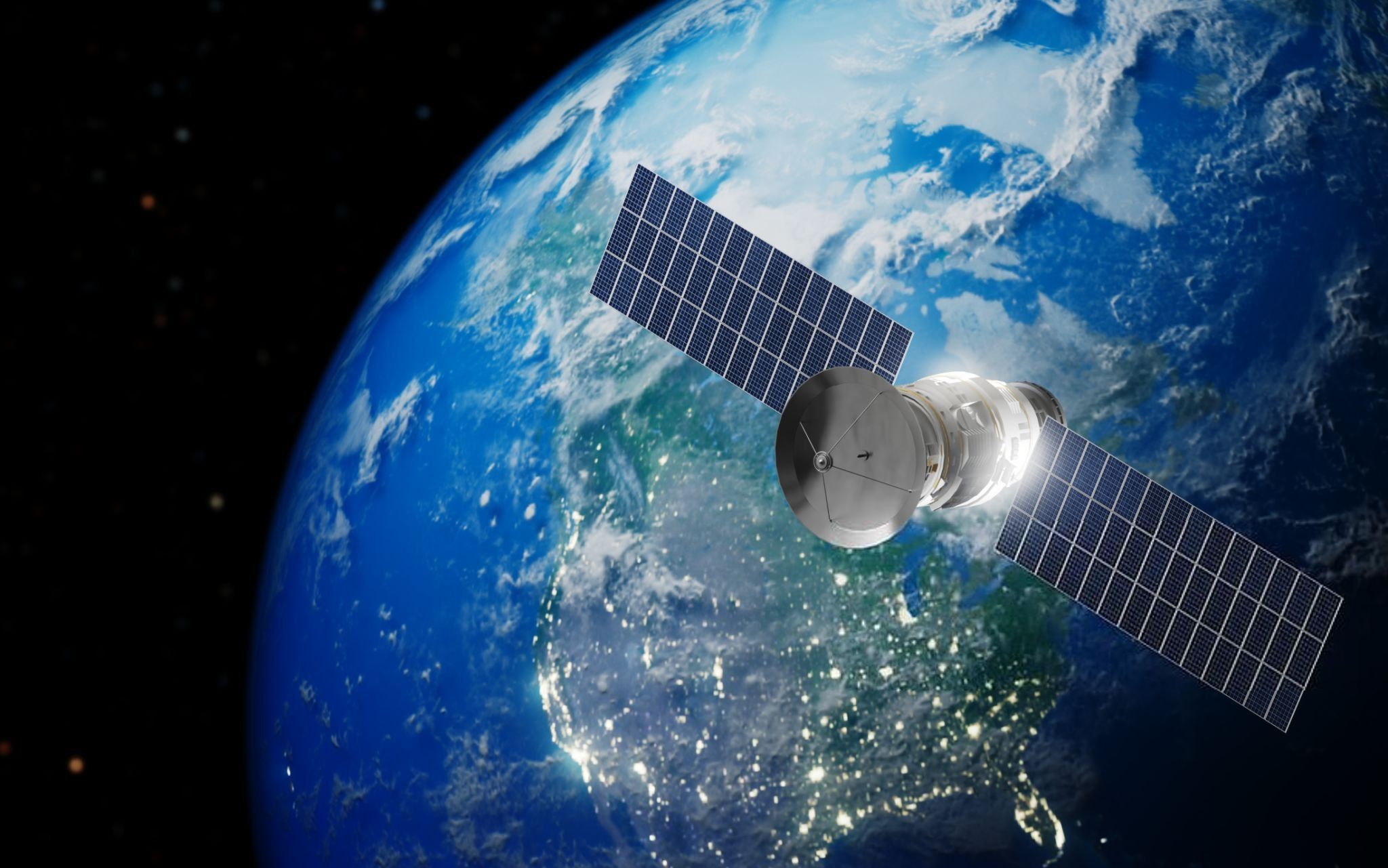
A satellite
5. Conclusion
Satellite transceivers play an irreplaceable important role in the maritime and aviation industries. With the ability to maintain communication in remote areas and in emergency situations, satellite transceivers not only enhance safety but also support efficient operations in coordinating and assisting moving vehicles. Therefore, satellite transceivers are essential equipment in both industries, contributing to the protection of human lives and property.