 English
  Tiếng Việt
 Satellite phones are very useful communication devices in emergency situations, especially in remote areas without mobile signal. However, a common question is whether satellite phones can operate underwater. Let's explore this possibility in the article below.
A satellite
1. What is a Satellite Phone?
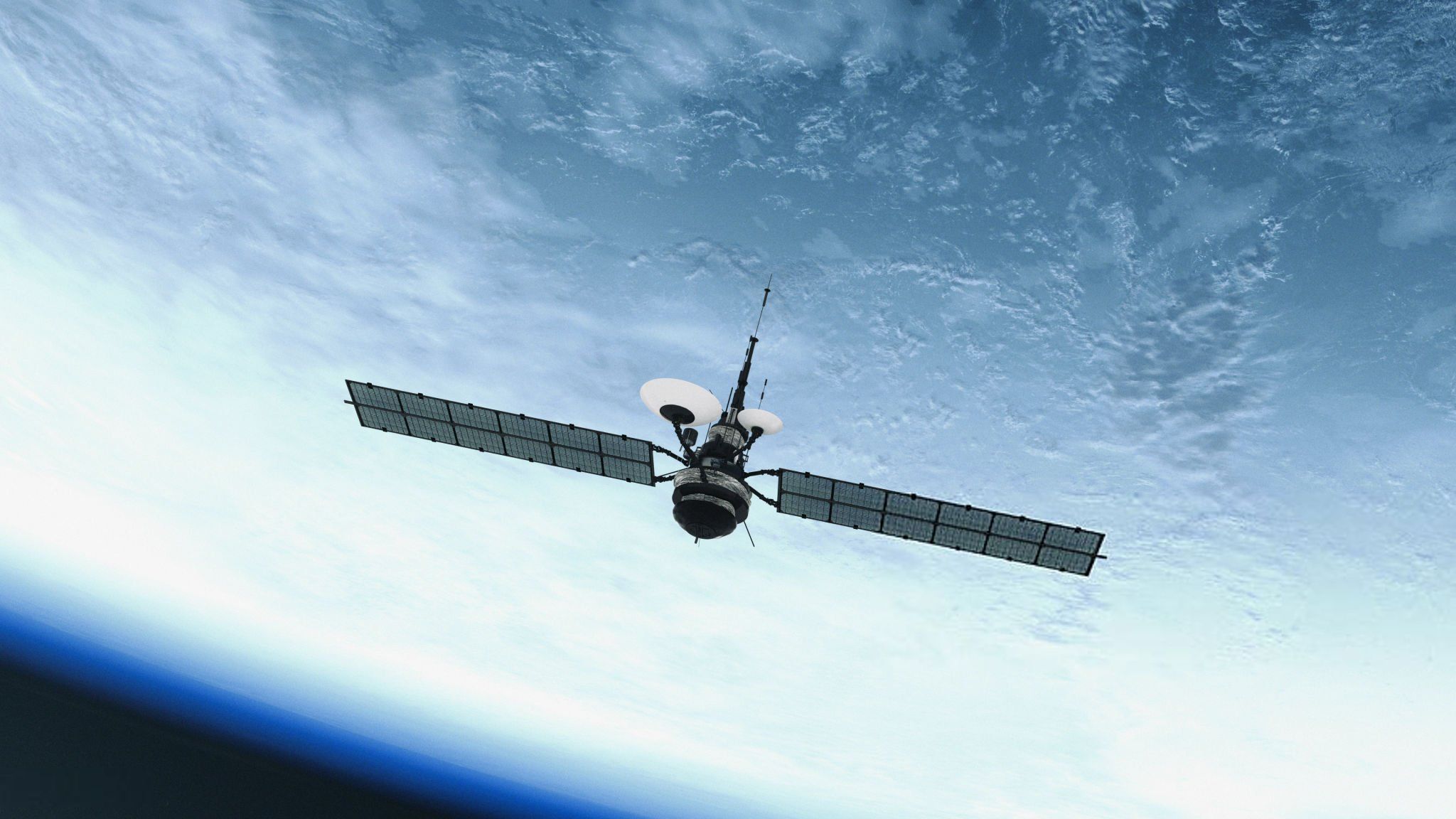
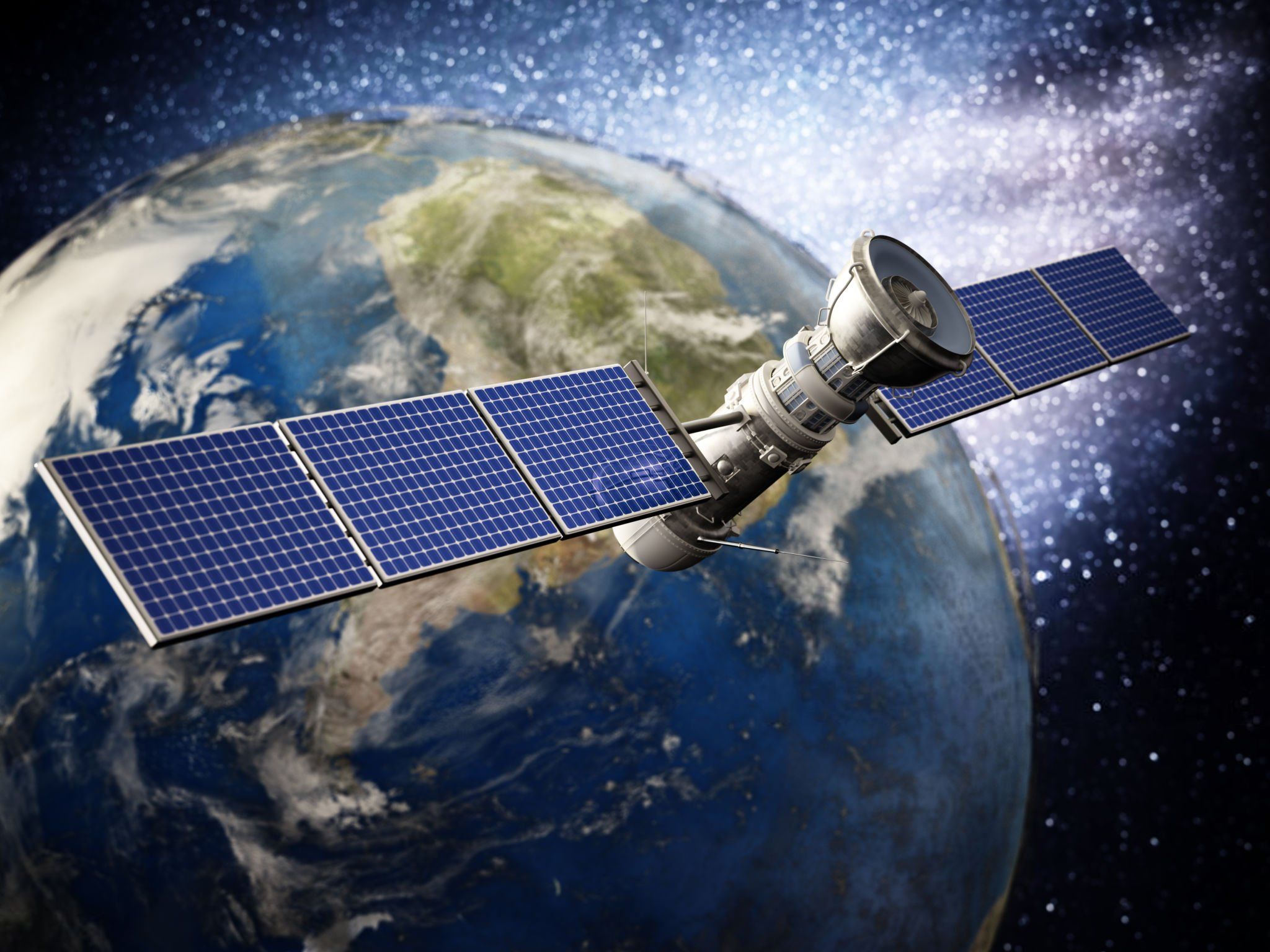
A satellite phone is a communication device that uses satellite signals to transmit information. Unlike regular mobile phones, satellite phones do not rely on terrestrial networks but connect directly to orbiting satellites. This allows satellite phones to operate almost anywhere in the world, including areas without mobile signal, such as deep mountains, oceans, or remote regions.
2. Can Satellite Phones Operate Underwater?
The short answer is no, regular satellite phones cannot operate underwater. The main reason is that these satellite devices use radio waves to transmit signals, and radio waves cannot penetrate water effectively. Therefore, when a satellite phone is submerged in water, the signal cannot be transmitted, and the device will not function.
However, this does not mean that satellite phones are completely unusable in water-adjacent environments. High-end satellite phones can withstand water exposure and have waterproof features, but they still cannot operate when fully submerged underwater.
3. Waterproof Satellite Phones: Durability and Usability
Some satellite phones today are designed to withstand harsh environments, including water resistance. These satellite phones are equipped with water resistance standards such as IP67 or IP68, allowing the device to withstand temporary submersion in water (typically 30 minutes at a depth of about 1-2 meters).
However, even satellite phones with water resistance standards cannot operate underwater. They can only function normally when splashed with water or used in wet conditions, but cannot transmit signals when fully submerged in water.
4. Alternative Solutions for Underwater Satellite Phone Use
If you need a communication device underwater, a satellite phone is not the right solution. However, there are other alternative devices for underwater activities such as diving or underwater exploration:
a. Underwater Communication System
These are specialized communication devices designed to operate underwater. These devices use sound waves (sonar) instead of radio waves, which helps transmit signals in the water environment.
b. Waterproof Satellite Phones
Some satellite phones are specifically designed with water resistance, allowing you to use them in wet situations, but like satellite phones, they cannot operate when submerged underwater.
5. Choosing the Right Satellite Phone for Outdoor Environments
If you are looking for a satellite phone to use in harsh environments, here are some factors to consider:
- Waterproof: Choose a satellite phone with a high waterproof rating such as IP67 or IP68, which protects the device from rain and splashes.
- Durability: Choose a device that is impact-resistant and scratch-resistant for use in harsh outdoor conditions.
- Easy to use: Choose a satellite phone with a simple and easy-to-use interface when you need to communicate in emergency situations.
A satellite
6. Conclusion
Satellite phones cannot operate when fully submerged in water, even if they have waterproof features and are designed to withstand wet environments. However, you can use satellite phones in outdoor conditions or splash-prone environments, such as heavy rain or boating. If you need to communicate underwater, you should look for specialized communication devices for this environment, such as underwater radios or underwater acoustic communication systems.