 English
  Tiếng Việt
 With the rapid development of technology and the increasing demand for satellite use in military, scientific, telecommunications, and environmental monitoring fields, Vietnam is facing a great opportunity to enhance its position in the space industry.Future Vietnamese Satellites not only help the country improve its technological independence but also contribute to sustainable development and national sovereignty protection. However, the path of satellite development is not without challenges. This article will analyze thesatellite opportunities andchallenges that Vietnam needs to overcome to develop its satellite industry in the future.
Satellite Opportunities
1. Opportunities for Vietnamese Satellite Development
Enhancing Technological Capabilities
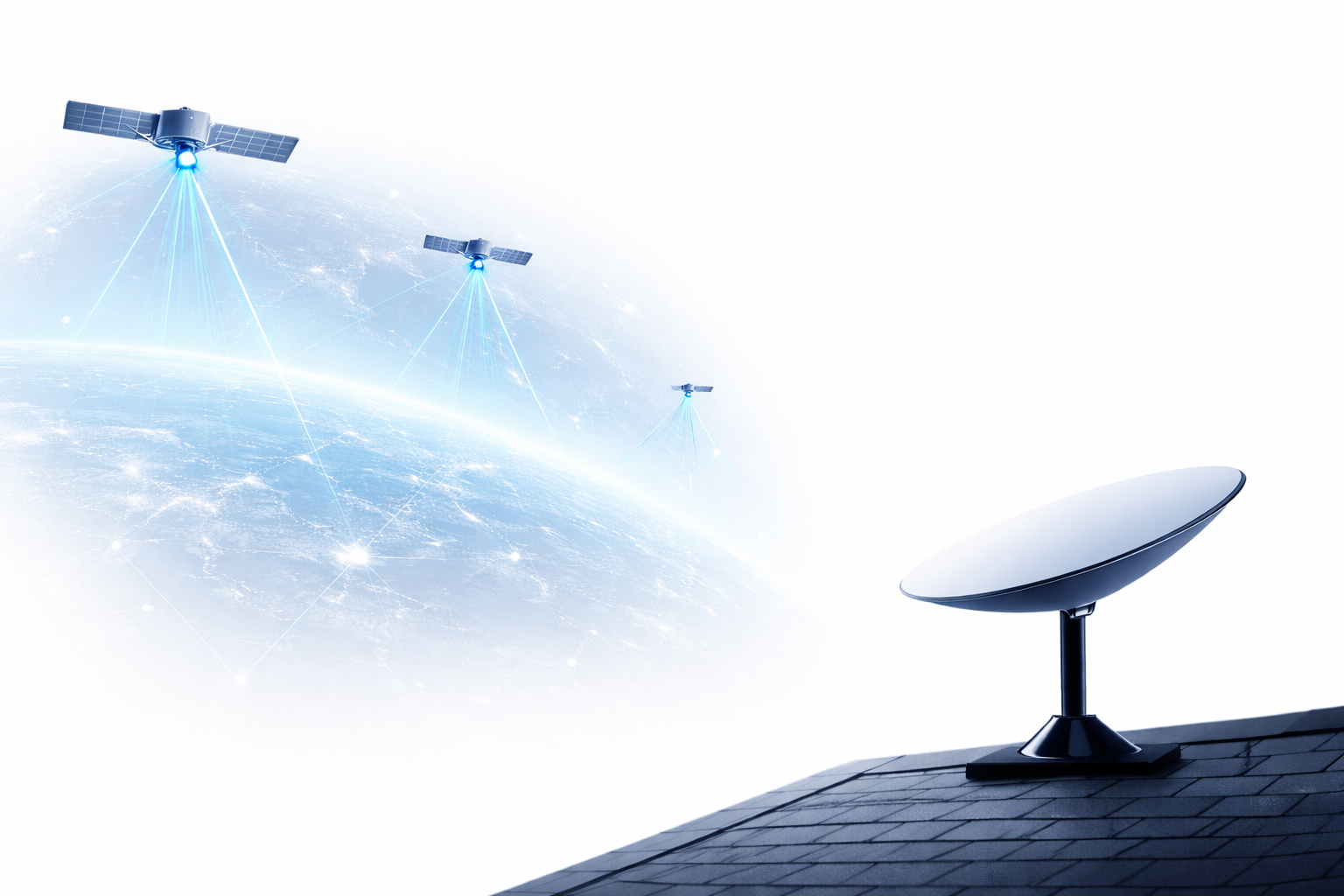
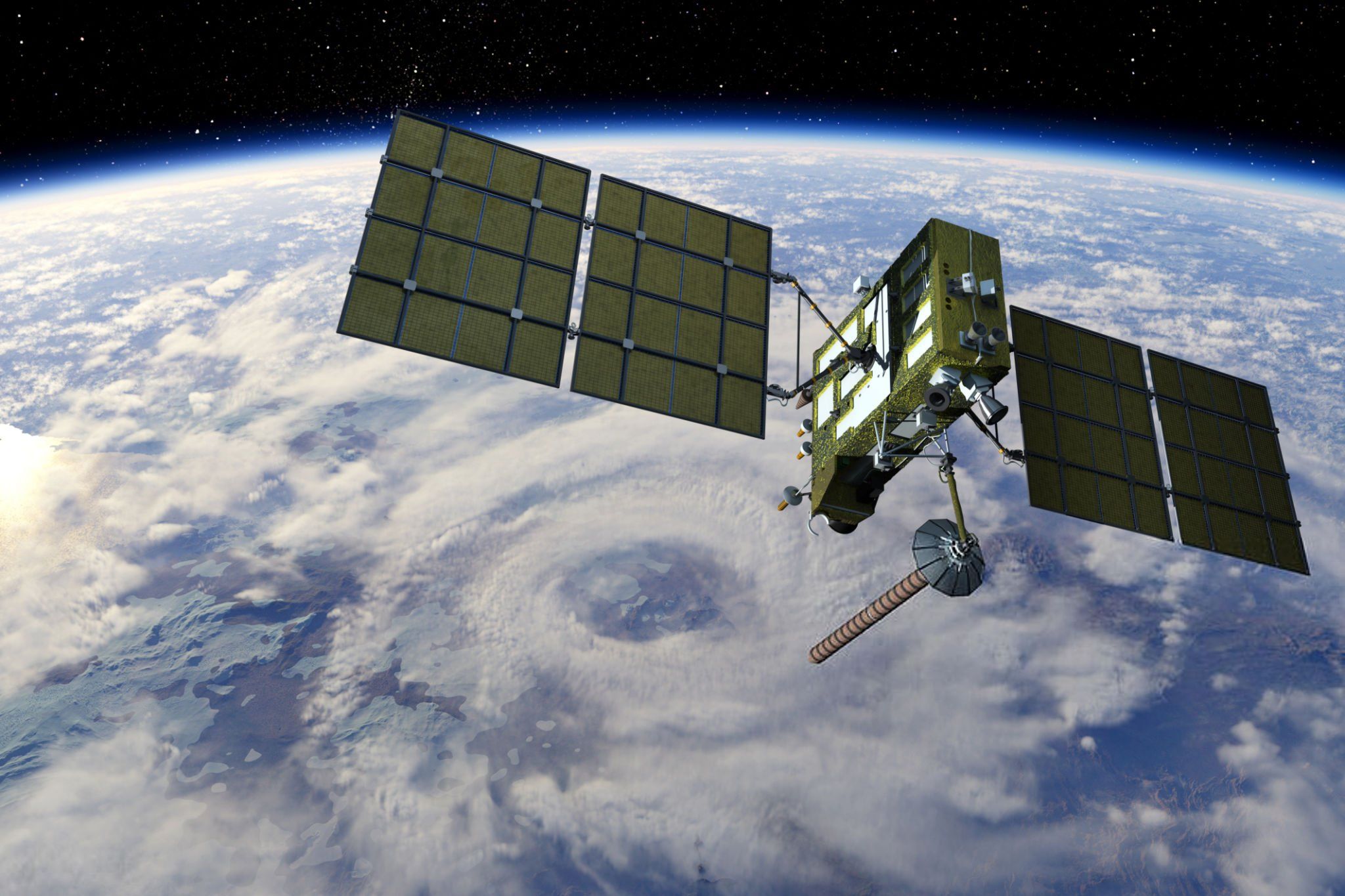
Future Vietnamese Satellites open up opportunities for strong development in the field of space technology. Vietnam can leverage advances in science and technology to manufacture and launch satellites, providing telecommunications, monitoring, and environmental research services. Satellite projects such asVNREDSat-1, Vinasat-1 was launched into orbit in 2008 and Vinasat-2 in 2012, are Vietnam's two national telecommunications satellites. They help connect Internet and other telecommunications services to remote and isolated areas without fiber optic networks or stable mobile services. Vinasat uses GEO (Geostationary Orbit) satellite technology, meaning these satellites maintain a fixed position in the sky, providing stable connection services suitable for Internet usage in remote areas. Vinasat's services are primarily provided to government agencies, businesses, and rural, mountainous, and island areas where traditional Internet services cannot reach. Advantages of Vinasat Satellite Internet Service Wide Coverage: With GEO satellites, Vinasat can cover the entire country, including hard-to-reach areas. This allows rural, mountainous, and island areas to access stable satellite Internet service. Stable Connection: Vinasat satellite Internet provides stable, high-speed connections for areas without fixed network infrastructure, making it easier for users to access the Internet. In addition, Vinasat also provides additional services such as satellite TV, data communication, and satellite telephony. Solution for Hard-to-Reach Areas: Remote areas, islands, and deep-remote localities can easily access the Internet through Vinasat, Vinasat-2 have demonstrated Vietnam's capability in applying space technology for practical purposes. In the future, Vietnam can developMicrosatellites andearth observation satellites to serve various industries, from agriculture to natural resources.
Ensure National Defense and Security
Một trong những satellite opportunitiesimportant for Vietnam is the development of military and national security satellites. "Reconnaissance satellites"can help monitor space, track the situation at sea and on land, and support national defense and security operations. With technological advancements, Vietnam can develop defense satellites to protect national sovereignty, especially in the context of increasing tensions in the East Sea region.Satellite Applications in Environmental Research
With climate change and increasingly serious environmental issues, "Vietnam's satellite development"
plays an important role in monitoring and researching the environment. Earth observation satellites can provide data on the condition of forests, land, water, climate, and natural resources, thereby helping Vietnam improve resource management and environmental protection.Vietnamese satellite developmentThe development of "future Vietnamese satellites"
also opens up opportunities for cooperation with international countries and organizations in the space sector. International cooperation programs will help Vietnam access advanced technology, while enhancing domestic satellite production and launch capabilities. Countries like the US, Japan, and Europe are ready to cooperate with developing countries like Vietnam to share experience and knowledge in the satellite industry.
https://youtu.be/JdUpv5hiDYA?si=oJArYWhSqi0LYh6aFuture Vietnamese satellitesDifficulties in Funding and Resources
that Vietnam faces in developing
Difficulties in Funding and Resources
Một trong những the biggest challenge mà Việt Nam phải đối mặt trong việc phát triển Future Vietnamese satellitesis a matter of funding. The manufacturing, testing, and launching of satellites require significant investment in finance and resources. The costs for satellite projects can reach millions of US dollars, especially for observation satellites and military satellites. Vietnam needs a clear financial strategy, while also seeking cooperation and support from international organizations to alleviate the financial burden.
Satellite Manufacturing Technology
Although Vietnam has made significant strides in the field of space technology, the development of modern satellites still faces many difficulties. Microsatellites and earth observation satellites require substantial investment in research and development. Factors such as accuracy, durability, and long-term operability in the space environment are technical challenges that need to be addressed.
Regulatory and Policy Issues
Another challenge for Vietnamese satellite development is the regulations and policies related to satellite launches and space management. All countries have strict regulations on launching and operating satellites to protect the space environment and avoid orbital collisions. Vietnam needs to build and complete its legal and policy framework to manage satellite launches and protect national interests in space.
Human Resource Training
The development of the satellite industry requires a team of highly qualified engineers and experts in fields such as space technology, telecommunications, physics, and space science. Training high-quality human resources in this field remains a challenge for Vietnam. Domestic training institutions and research programs need to be developed more robustly to meet the demands of the future satellite industry.
3. Future Directions and Solutions
To overcome the challenges of Vietnamese satellite development, the country needs to implement a comprehensive development strategy. Solutions may include:
- Increase Investment: The state needs to increase investment in space technology research and development, while encouraging private enterprises to participate in the satellite industry.
- Promote International Cooperation: Vietnam needs to leverage cooperation programs with international countries and organizations to access modern technology and financial resources.
- Promote Human Resource Training: Domestic training institutions need to build specialized training programs in space and satellite technology to provide quality human resources for the industry.
- Improve Policies and Regulations: A strict system of policies and regulations is needed to manage and develop the satellite industry, while protecting national interests and outer space environment.

Satellite Technology
Conclusion
Future Vietnamese Satellites hứa hẹn mang đến nhiều cơ hội phát triển trong các lĩnh vực như quốc phòng, viễn thông, môi trường và nghiên cứu khoa học. Tuy nhiên, Việt Nam cần vượt qua những major challenges về công nghệ, tài chính và nhân lực để có thể phát triển mạnh mẽ ngành công nghiệp vệ tinh. Với một chiến lược đúng đắn và sự đầu tư bền vững, Việt Nam hoàn toàn có thể gia nhập nhóm các quốc gia mạnh về công nghệ vệ tinh trong tương lai gần.