 English
  Tiếng Việt
 In the modern satellite industry, two important types of satellites commonly used are radar satellite and optical satellite. Each of these satellite types has its own distinct characteristics and is applied in different fields. This article will help you compare radar and optical satellites, analyze the advantages and disadvantages of each type, and their prominent applications.

Radar Satellites
1. What are Radar Satellites and Optical Satellites?
Radar Satellite
Radar satellites use electromagnetic waves in the radio wave band (radar) to collect data. These satellites can operate in all weather conditions, including cloudy or nighttime conditions. Radar satellites often use Synthetic Aperture Radar (SAR) technology, which helps create high-resolution images even from very long distances.
Optical Satellite
Optical satellites operate based on visible light from the Sun and other light waves (such as infrared or ultraviolet). These satellites typically use optical imaging sensors to collect information and create detailed images of the Earth's surface. However, optical satellites have limitations when facing clouds or adverse weather conditions, as they cannot collect data through clouds or in darkness.
2. Comparing Radar and Optical Satellites
All-Weather Observation Capability
- Radar Satellite: One of the outstanding strengths of radar satellites is their ability to operate in all weather conditions. They are not affected by clouds, rain, or fog, allowing for continuous data collection day and night. This makes radar satellites an ideal tool for monitoring terrain, ground deformation, and weather conditions in areas with harsh climates.
- Optical Satellite: Optical satellites, on the other hand, can only function well in clear, cloudless conditions. Data obtained from optical satellites can be interrupted by clouds, fog, or in low light conditions such as at night.
Resolution
- Radar Satellite: Radar satellites can provide high-resolution images in some cases, however, the resolution of radar does not achieve the level of detail as optical. Although "SAR" technology can help increase resolution, images obtained from radar are often of lower quality compared to optical images.Optical Satellite: Optical satellites typically provide very high-resolution images, which are much more detailed and sharper than radar. Photos from optical satellites can easily identify features such as streets, buildings, and natural elements like forests, rivers, and lakes.
- Optical SatelliteApplication Scope
: Radar satellites are often used to monitor terrain and natural phenomena such as floods, earthquakes, ground displacement, and especially in defense applications. Due to their ability to work in difficult conditions, radar satellites are very useful in environmental monitoring, disaster management, search and rescue, and military applications.
- Radar Satellite: Optical satellites are widely used in industries such as agriculture, resource management, and environmental protection. They help collect data on changes in the Earth's surface, monitor urban development, and supervise land use, forests, and natural resources.
- Optical SatelliteRadar Satellite
: Radar satellites are usually more expensive to build and operate than optical satellites. In addition, collecting and processing radar data requires special software and technology to decode and analyze radar signals.
- Radar Satellite: Although the cost of manufacturing and operation is lower than that of radar satellites, optical satellites also require significant investment in imaging sensors and data collection and storage infrastructure.
- Optical Satellite: Although the manufacturing and operating costs are lower than radar satellites, optical satellites also require significant investment in imaging sensors and data collection/storage infrastructure.
3. Advantages and Disadvantages of Radar Satellites and Optical Satellites
Radar Satellite
- Advantages:
- Works well in all weather conditions (rain, clouds, fog).
- Capable of collecting data at night.
- Suitable for surveillance, search and rescue, and defense applications.
- Disadvantages:
- Lower resolution compared to optical satellites.
- Radar data is more difficult to decode and analyze than optical images.
Optical Satellite
- Advantages:
- Provides high-resolution and detailed images.
- Easy to identify and analyze natural and man-made features.
- Suitable for applications in agriculture, land management, and environmental monitoring.
- Disadvantages:
- Only works well when there are no clouds and in good lighting conditions.
- Cannot operate at night or in adverse weather conditions.
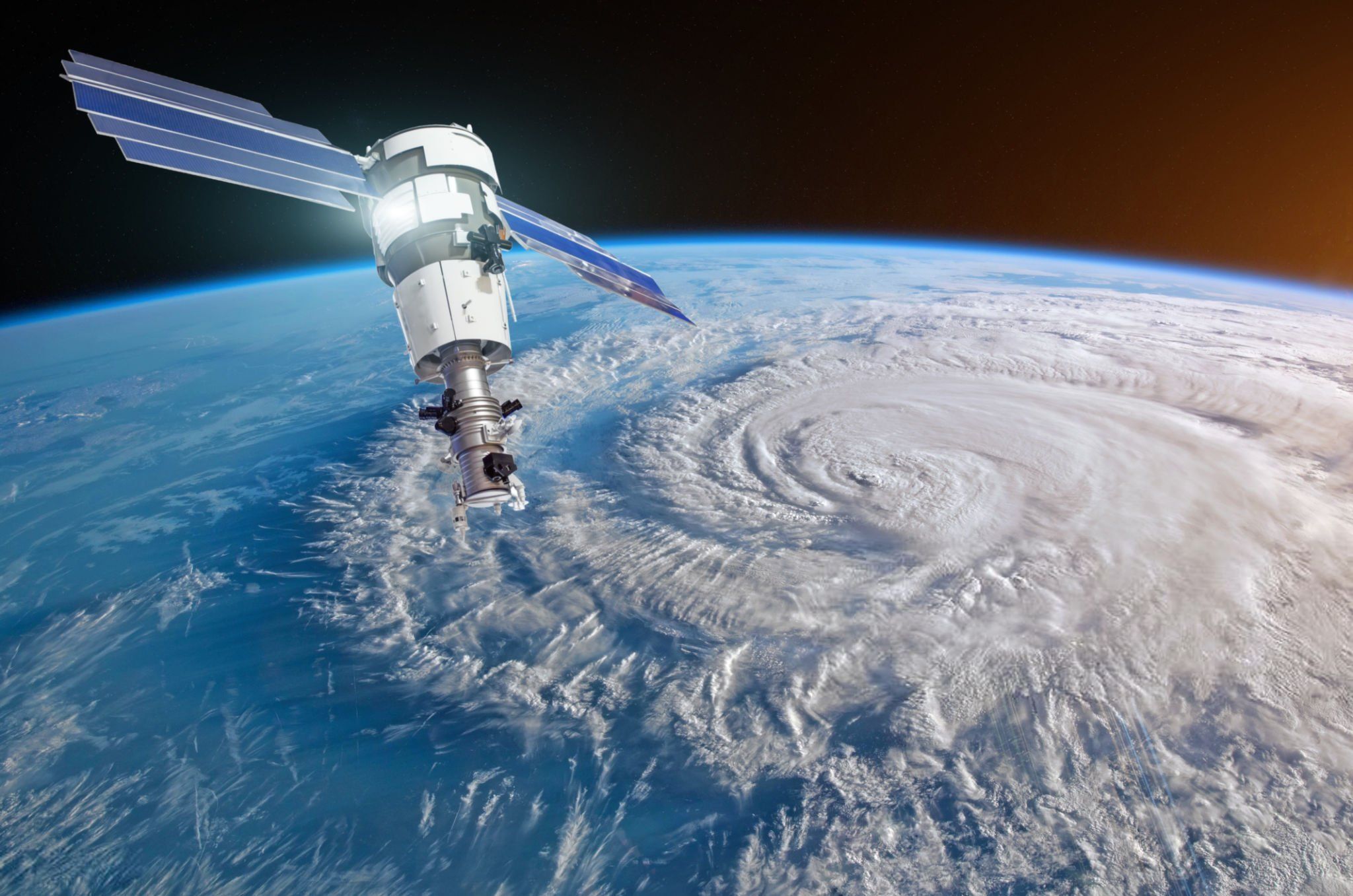
Optical satellite
4. Conclusion
Both radar satellite and optical satellite đều đóng vai trò quan trọng trong các ứng dụng giám sát và quan sát trái đất. Tuy nhiên, mỗi loại có những ưu điểm và hạn chế riêng biệt. Radar satellites có lợi thế lớn trong các điều kiện thời tiết xấu và có khả năng giám sát liên tục, nhưng lại không thể đạt được độ phân giải chi tiết như vệ tinh quang học. Ngược lại, optical satellite cung cấp hình ảnh chi tiết, sắc nét và dễ dàng phân tích, nhưng lại phụ thuộc vào điều kiện thời tiết và ánh sáng.
The choice between radar and optical satellites depends on the specific usage objectives and technical requirements of each project.