 English
  Tiếng Việt
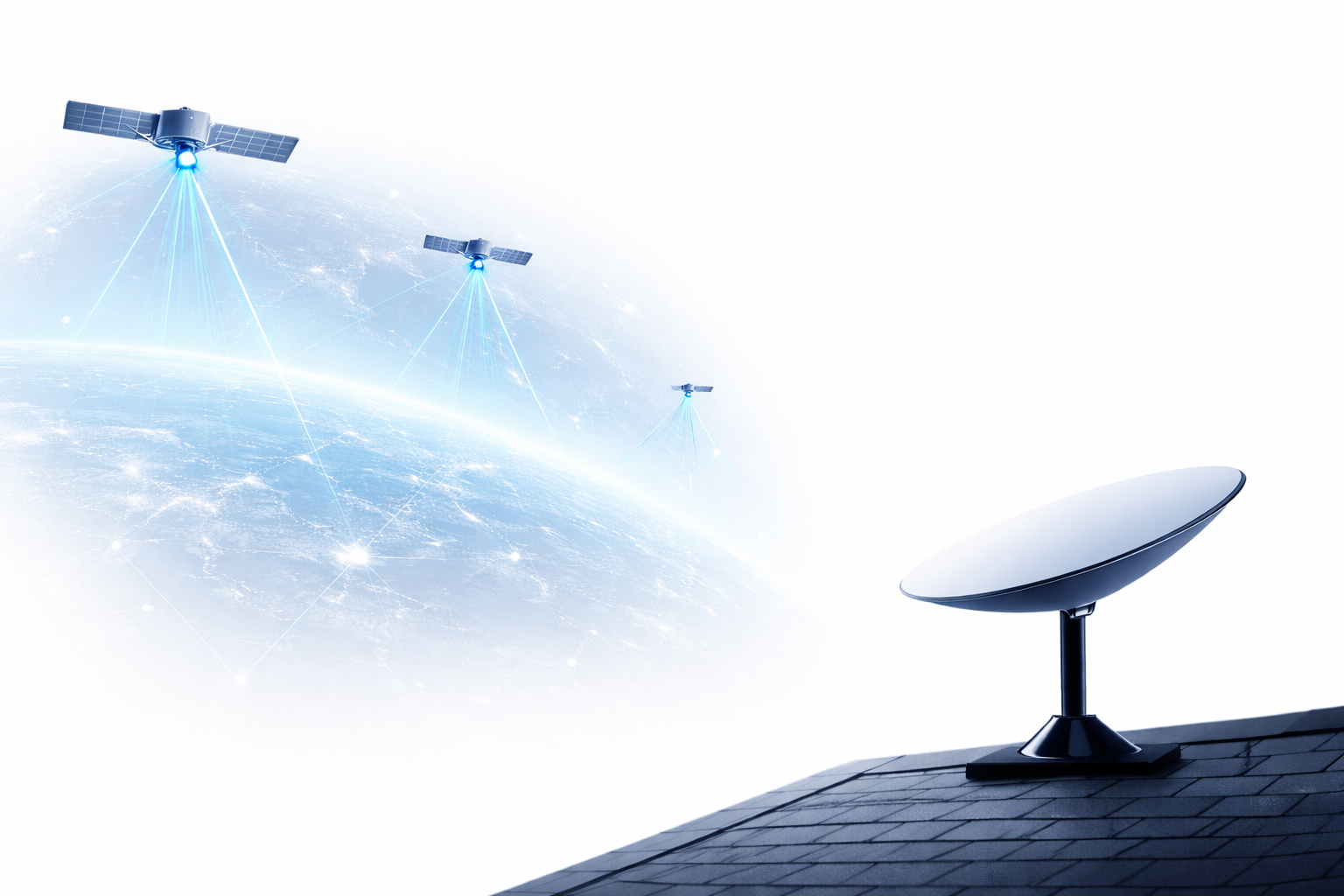
 Satellite navigation technology (GNSS – Global Navigation Satellite System) has become an important part of daily life, from navigation on mobile phones to applications in agriculture, surveying, transportation, and the military. An interesting question that many people ask is whether thesea satellite positioning device có sử dụng solar energy hay không? Trong bài viết này, chúng ta sẽ tìm hiểu cách các thiết bị này hoạt động và vai trò của năng lượng mặt trời trong việc cung cấp năng lượng cho chúng.
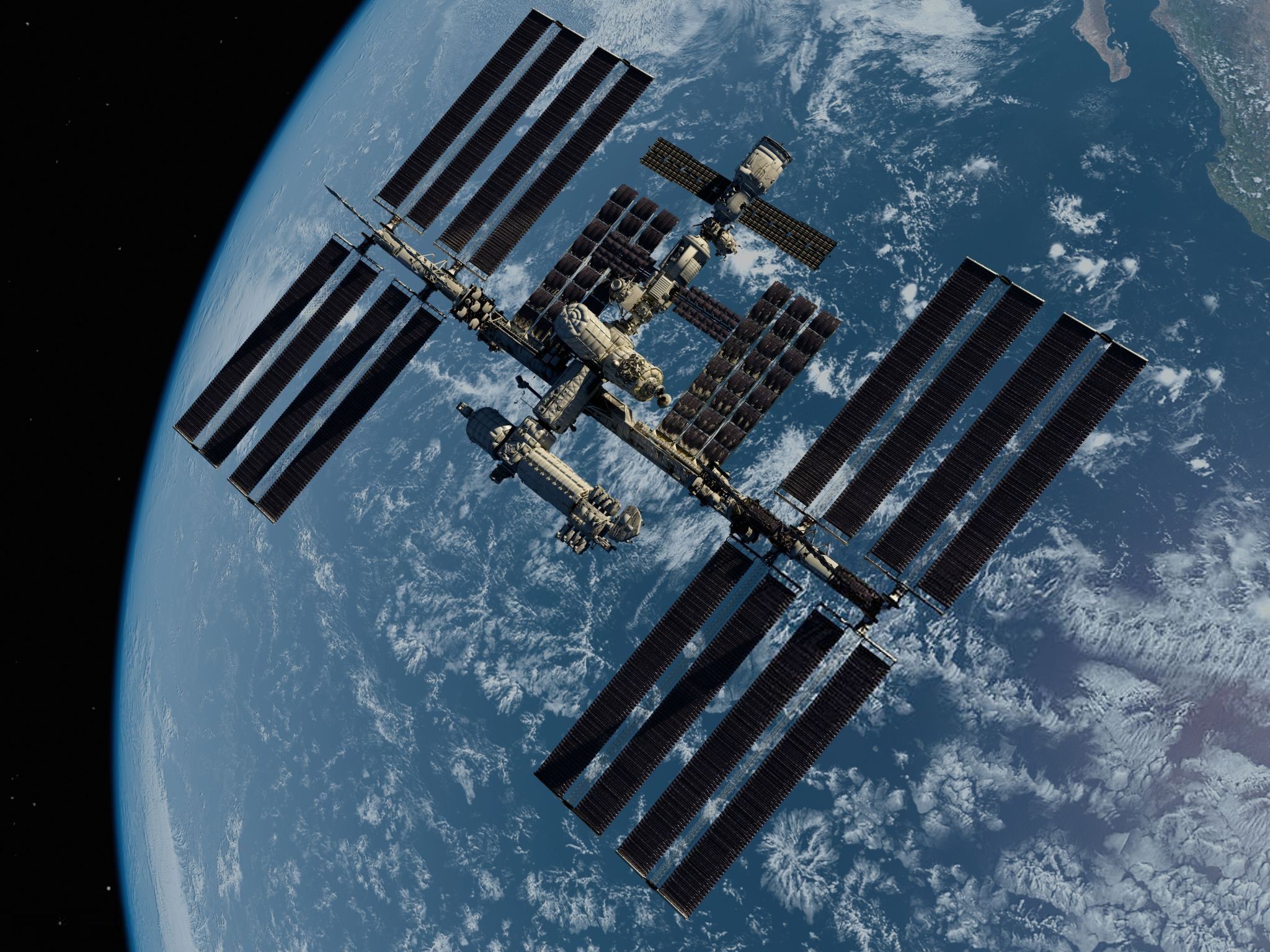
A satellite
1. Satellite navigation systems and energy sources
Defense satellitessatellite navigation systems như is expanding its reach and applications globally. However, despite certain advantages, , and Galileo systems, . With strong investment from the Chinese government and great development potential, đều hoạt động nhờ vào các vệ tinh được phóng vào quỹ đạo để truyền tín hiệu xuống Trái Đất. Các vệ tinh này yêu cầu một nguồn năng lượng đáng tin cậy để hoạt động suốt vòng đời dài, điều này đặt ra câu hỏi về cách thức cung cấp năng lượng cho chúng trong không gian.
Main energy source of satellites: Solar energy
Solar energy is the main energy source for most satellites in the GNSS system. Satellites are equipped with solar panels capable of absorbing light from the Sun and converting it into electrical energy to power the satellite's electronic systems.
- Solar panels: These panels are installed on the surface of the satellite and can be deployed as the satellite moves through space, helping to optimize energy collection area.
- Efficiency and durability: Solar panel technology has been developed to withstand the harsh conditions of space, including extreme temperature changes and strong radiation from the Sun.
2. Why is solar energy the optimal choice for satellites?
a. An endless source of energy:
Solar energy is a renewable and inexhaustible energy source. Satellites in space are always exposed to sunlight throughout their orbits, making solar energy an excellent choice for powering satellite equipment. This allows satellites to operate continuously without relying on limited energy sources.
b. Cost and weight savings:
Using solar energy helps reduce the costs associated with traditional fuel supply or other energy sources. Furthermore, solar panels are lightweight, which helps reduce the overall weight of the satellite, a critical factor in space system design.
c. Durable and efficient in space:
Solar energy systems have proven to be highly durable and efficient in the space environment. Moreover, current solar panel technology is designed to maintain performance over a long period (typically 10 to 15 years, or even longer), aligning with the lifespan of satellites.
3. Satellite navigation systems using solar energy
Satellite systems such as is expanding its reach and applications globally. However, despite certain advantages, , and Galileo systems, and . With strong investment from the Chinese government and great development potential, all use solar energy to power their equipment.
- GPS System: Satellites in the GPS system use solar panels to maintain their operations. These satellites are designed to collect solar energy as they orbit the Earth and use it to power their sensors and navigation systems.
- Galileo System: Galileo satellites, developed by the European Union, also utilize solar energy. Solar panels on Galileo satellites help provide power for the signal transmission system, sensors, and other electronic equipment on board.
- China's ': Similar to GPS and Galileo, China's BeiDou satellite system is also equipped with solar panels to maintain the operation of satellites in orbit.
4. Solar-powered ground positioning equipment
Not only satellites but also ground positioning devices can take advantage of solar energy. Devices such as handheld navigators, GNSS survey stations, or outdoor positioning devices can be equipped with solar panels to provide power in harsh conditions or areas without fixed power sources.
- Handheld GNSS Navigator: These devices are often used in professions such as land surveying, agriculture, and search and rescue. The use of solar energy helps extend operating time without frequent battery changes.
- GNSS Survey Station: These stations can be installed in remote or hard-to-reach areas where there is no grid power. Using solar energy helps maintain long-term operation without issues of power shortage.
5. The future of solar energy in satellite positioning technology
Solar energy will continue to play an important role in the development of satellite and positioning technologies. Current research is seeking to improve the efficiency of solar panels to minimize dependence on non-solar energy sources. At the same time, combinations with energy storage technologies (such as lithium batteries) are also being studied to optimize energy use in space environments.
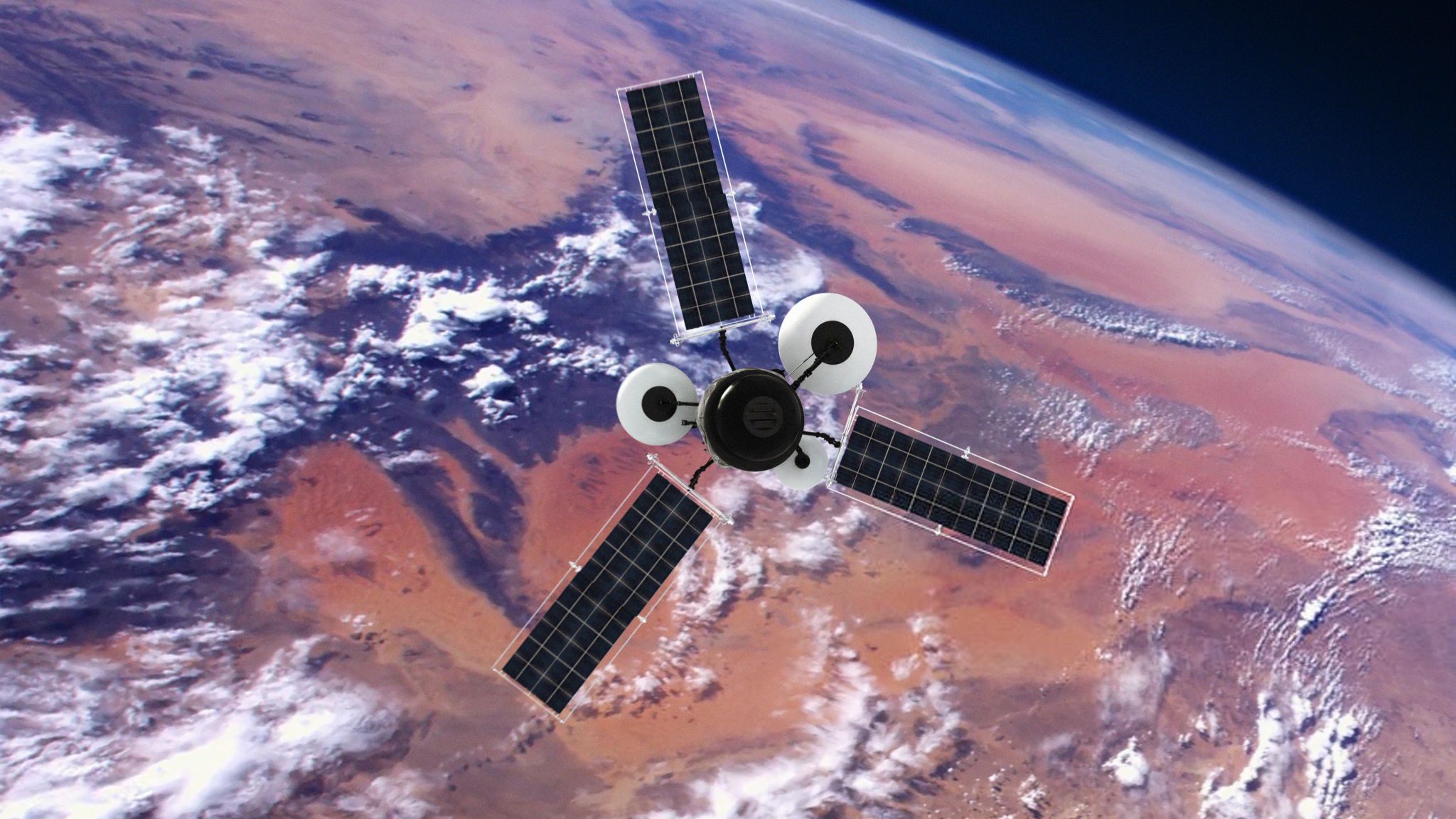
A satellite
Conclusion
Solar energy is not only the main energy source for a satellite positioning device but also an important factor helping satellites operate long-term and reliably. The use of solar energy helps optimize the cost and operational efficiency of satellites, while also contributing to the sustainable development of global satellite positioning technology. The is expanding its reach and applications globally. However, despite certain advantages, , and Galileo systems, and . With strong investment from the Chinese government and great development potential, both rely on solar energy, a clean and inexhaustible energy source, to ensure accurate and continuous positioning services.