 English
  Tiếng Việt
 In the era of modern technology, satellite tracking has become an important tool in many fields, from scientific research, weather forecasting, to military applications and security monitoring. However, as this technology becomes more common and accessible, the question arises: Satellite tracking and privacyof individuals? What are the legal limits in the use of these technologies? Let's explore the legal and ethical issues related to satellite tracking and the protection of privacy.

A satellite
1. Satellite tracking: Technology and applications
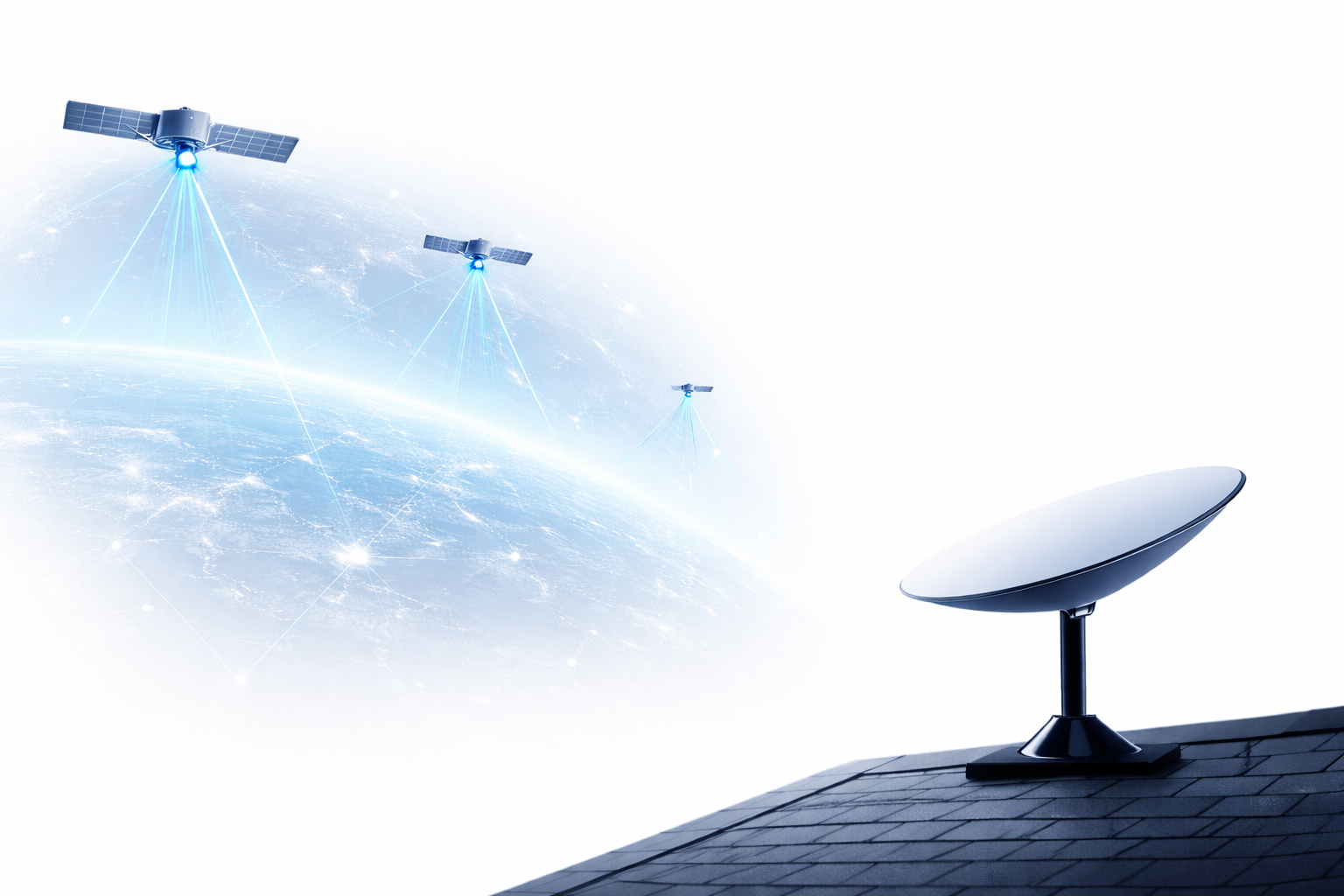
Satellite tracking is the process of using artificial satellites orbiting the Earth to collect information about specific objects or areas. Satellites can provide images, videos, temperature and humidity data, and even movement data of objects on the ground. The applications of satellite tracking are diverse:
- Environmental Monitoring: Monitoring climate change, natural disasters, and changes in natural landscapes.
- Weather Forecasting: Providing data on climate conditions, storms, rain, and other weather phenomena.
- Military applications: Monitoring the activities of military forces and enemy targets.
- Security monitoring: Monitoring illegal activities, such as smuggling or criminal activities.
- Commercial applications: Data from satellites are used in agriculture, transportation, and even in services like Google Maps.
2. Privacy in satellite tracking
The issue arises that the use of satellites can infringe on the privacy of individuals or organizations. Data collected from satellites can include clear images of private areas, such as homes, gardens, or even the behavior of individuals. This leads to the question of whether satellite tracking violates human privacy.
Issues related to privacy:
- Capturing private images: Satellites are capable of capturing very high-resolution images, allowing for detailed views of outdoor areas, including individual homes and properties. The collection of these images may raise concerns about infringing on an individual's or family's privacy.
- Behavioral tracking: Satellites can track human behaviors and activities, such as vehicle movements, individual travel, or other activities. This could be considered a form of unwanted surveillance.
- Invasion of personal space: While satellites cannot penetrate the interior of buildings, monitoring outdoor areas and collecting data may increase concerns about the invasion of personal space.
3. Legal limitations in satellite tracking
International and regional laws: Satellite tracking and data collection from space are governed by legal and ethical regulations. Different countries and regions have varying regulations regarding privacy and the use of satellite technology. However, there are some common principles that must be adhered to:
- International legal framework: International agreements such as the United Nations Outer Space Treaty (1967) stipulate that the use of outer space must serve the common interests of mankind. Accordingly, outer space is not a place to infringe upon the privacy of nations or individuals.
- Personal data protection: In many countries, the collection and use of personal data from satellites must comply with personal data protection regulations. For example, the European General Data Protection Regulation (GDPR) stipulates that any collection, processing, or storage of personal data must have the consent of the data subject and must ensure confidentiality.
- Limitations in the use of satellite imagery: Although images can be collected from satellites, using these images to track the behavior of individuals or organizations without their consent violates privacy rights. Satellites may not be able to capture indoor images, but outdoor images can provide important information.
Privacy protection policies and regulations:
- Privacy policies: Satellite management agencies such as the U.S. National Aeronautics and Space Administration (NASA) or the European Space Agency (ESA) regularly issue regulations on privacy protection in the use of satellite data.
- Company policies: Commercial satellite service providers such as Planet Labs or Maxar must also comply with privacy protection regulations and often have clear policies on sharing or using satellite data.
4. The Future of Satellite Tracking and Privacy
With the advancement of satellite technology and social media, the ability to collect data on personal activities from space will become increasingly powerful. This raises many questions about the need to regulate and protect individual privacy in the digital age. The biggest challenges today are how to balance the benefits of satellite tracking with the protection of human privacy.

Satellite development
Conclusion:
Satellite tracking and privacyis a very sensitive and important topic in today's technological era. Although satellite technology offers many benefits in areas such as security, environment, and science, it also poses a threat to individual privacy. To protect privacy, clear and reasonable legal regulations are needed regarding the collection and use of data from satellites, and it must be ensured that these technologies are not misused. Understanding the legal limits of satellite tracking is essential to protect the rights of citizens in a society that is increasingly connected and dependent on technology.