 English
  Tiếng Việt
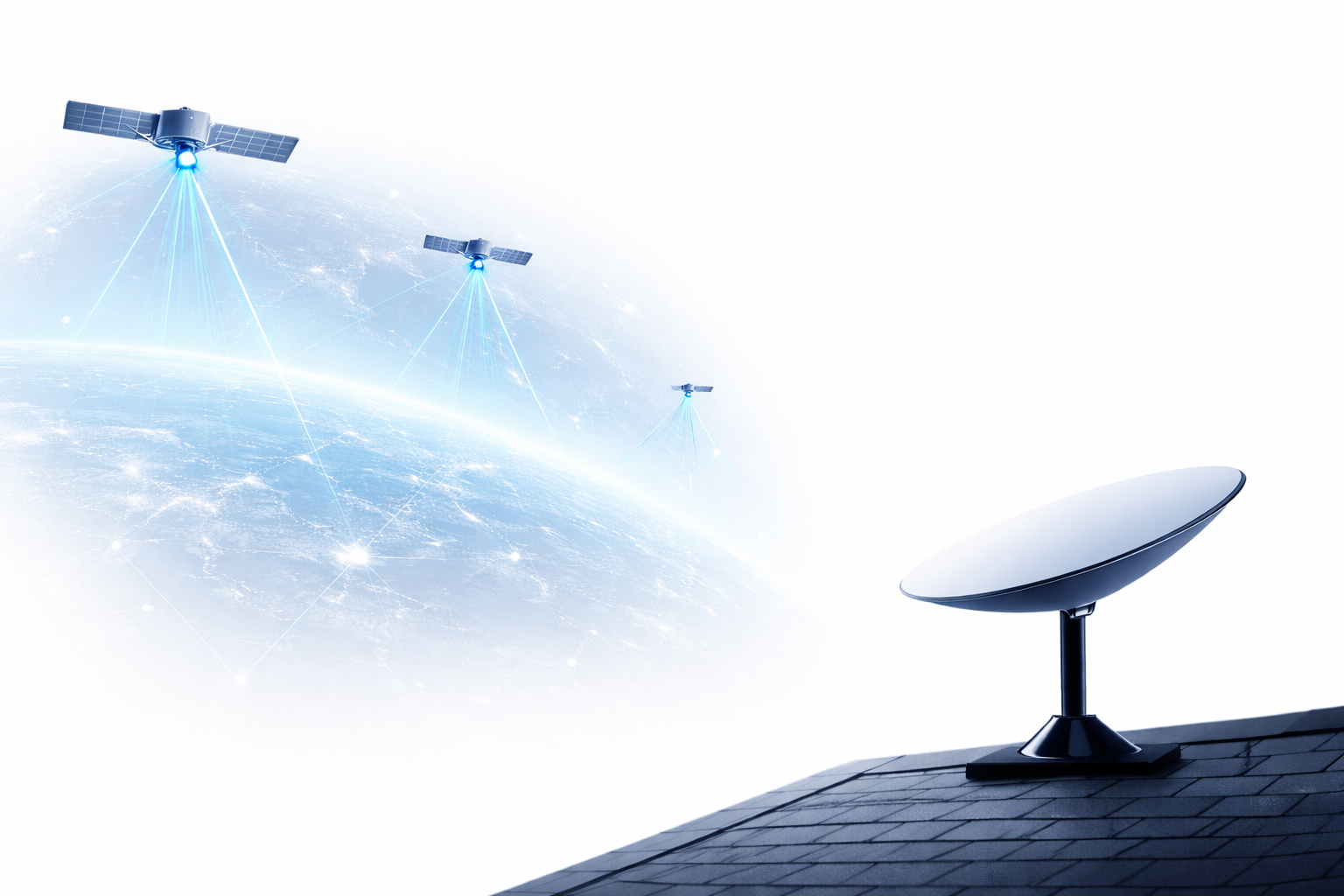
 In the context of the rapid development of science and technology, the application of advanced technologies in agriculture is becoming increasingly popular and highly effective. One of the prominent technologies, especially in modern agricultural management, is satellite monitoring. This technology not only helps farmers and agricultural managers have an overview of the farming situation but also supports the optimization of production processes, environmental protection, and crop yield growth.
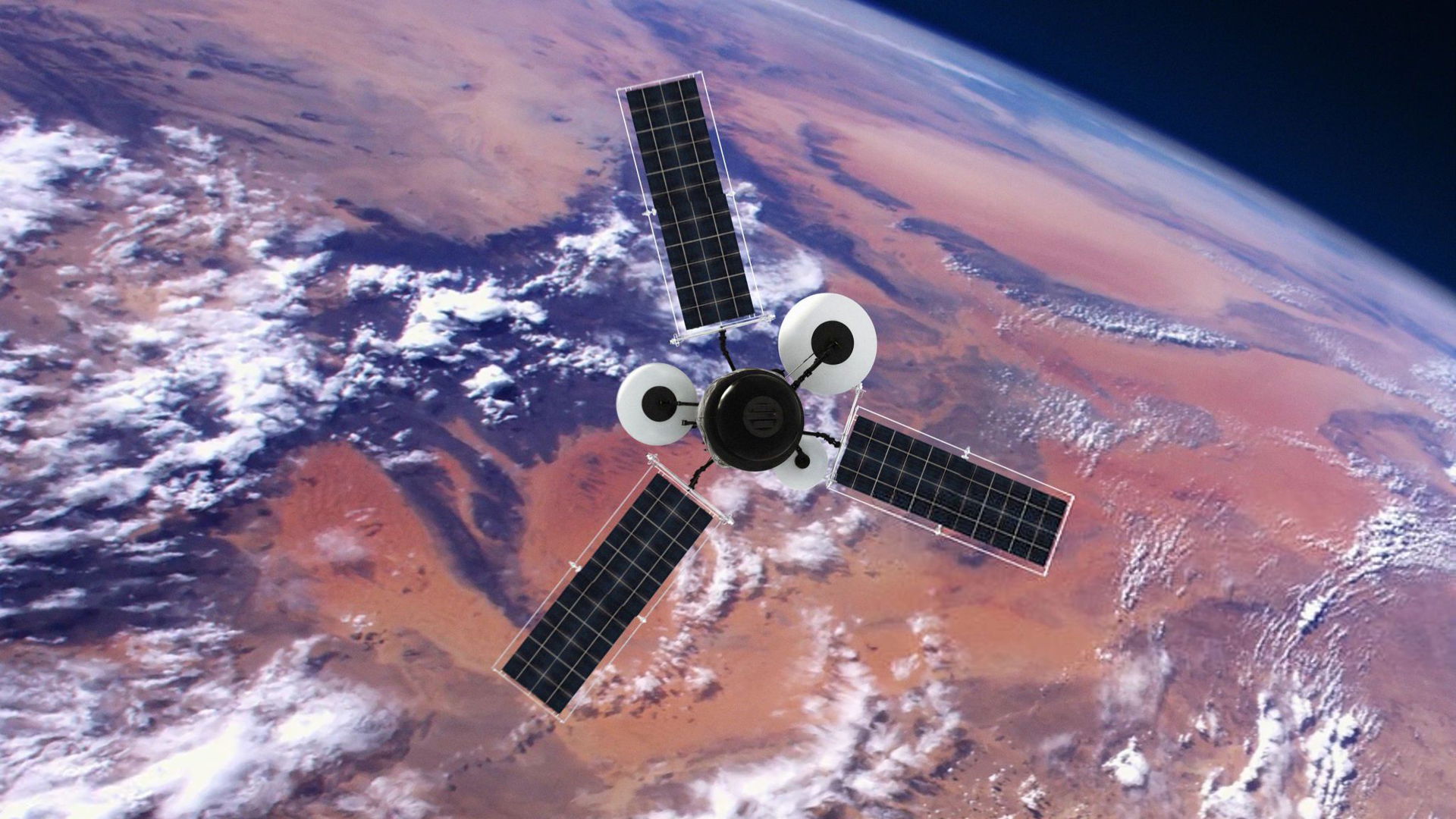
A satellite
1. What is agricultural satellite monitoring?
Agricultural satellite monitoring uses signals and images from satellites to collect data on environmental factors, climate, land, and crop growth. Satellites can provide detailed information about soil moisture, crop health, crop development, or early detection of pests and diseases. This data is then analyzed to support decision-making in land management and production process optimization.
2. Benefits of using satellite monitoring technology in agriculture
2.1 Optimize resource management
Satellite monitoring helps farmers monitor factors such as soil moisture, ambient temperature, and other crop-influencing indicators. This allows them to use resources like water and fertilizers efficiently, avoid waste, and reduce production costs.
2.2 Improve crop yields
Satellite data provides a clear view of crop status throughout the growing season, helping farmers detect problems such as water or nutrient deficiencies or diseases early. From there, farming practices can be adjusted in a timely manner, helping to increase crop yields and quality.
2.3 Minimize risks from natural disasters and climate change
Satellites can monitor climate phenomena, such as heavy rainfall, droughts, or sudden temperature changes. By analyzing this data, farmers can prepare to respond to natural disasters, adjust planting schedules, or choose crop varieties suitable for current climatic conditions.
2.4 Enhance forecasting and analysis capabilities
With the ability to collect large amounts of data and perform detailed analysis, satellite monitoring helps researchers and agricultural organizations forecast crop development more accurately. This forecasting is crucial for production and market planning, helping to optimize supply chains and minimize losses due to market fluctuations.
3. Satellite technology in agriculture – Prominent applications
3.1 Soil moisture monitoring
Satellites can provide detailed information on soil moisture over a wide area, helping farmers make informed decisions about irrigation, avoiding over-watering or under-watering.
3.2 Pest and disease detection
Through satellite image analysis, scientists and farmers can detect the early occurrence of pests, diseases, and other agricultural problems. This helps minimize the use of pesticides and save costs.
3.3 Soil quality monitoring
Satellite technology also helps monitor factors related to land such as pH, nutrient content, or soil degradation. From there, farmers can improve soil quality and increase crop yields.
4. The future of satellite monitoring in agriculture
With the continuous development of technology and improvements in data analysis capabilities,satellite monitoringpromises to continue to develop strongly in the future. New generation satellites with the ability to collect more accurate and faster data will help farmers and agricultural experts make timely and effective decisions.
Besides, the combination of satellite data and other technologies such as artificial intelligence (AI) and machine learning will create a smart agriculture ecosystem, helping farmers not only optimize production but also protect the environment and maintain sustainability in agriculture.
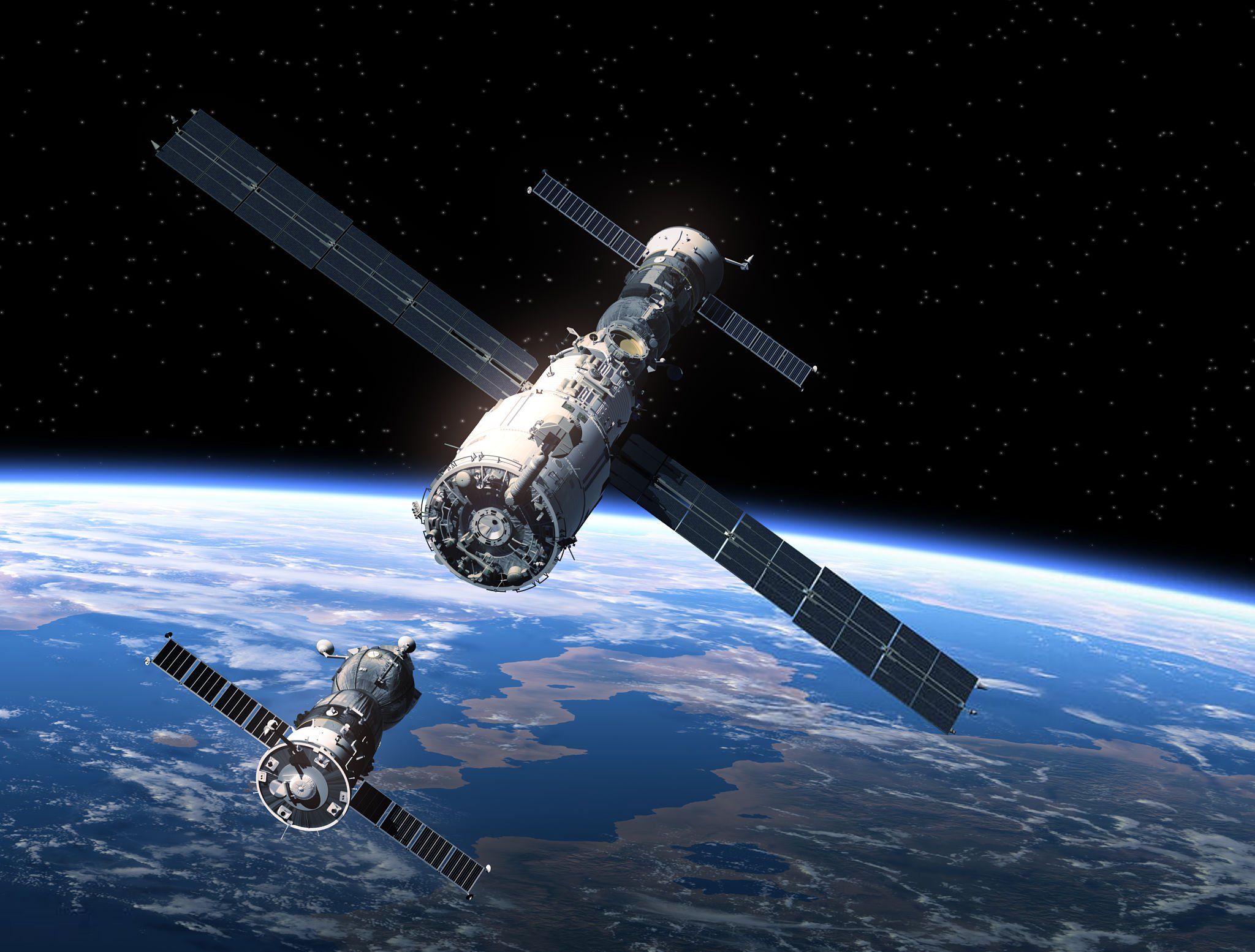
Satellite
5. Conclusion
Technologysatellite monitoringtechnology has been and is playing an important role in the development of modern agriculture. Applying this technology helps farmers manage resources effectively, increase crop yields, minimize natural disaster risks, and optimize production processes. With the great benefits it brings, satellite technology will continue to be an indispensable tool in the future of the global agricultural industry.