 English
  Tiếng Việt
 In satellite systems, providing stable and efficient power is crucial for ensuring continuous operation of devices, especially when high durability and accuracy are required. One of the indispensable elements for ensuring the operation of satellite devices is "satellite accessory batteries". Choosing the right batteries and power sources not only optimizes performance but also extends the lifespan of the devices. Let's explore how to choose the right batteries and power sources for satellite devices in the article below.satellite accessory battery1. Why are batteries and power sources important for satellite devices?
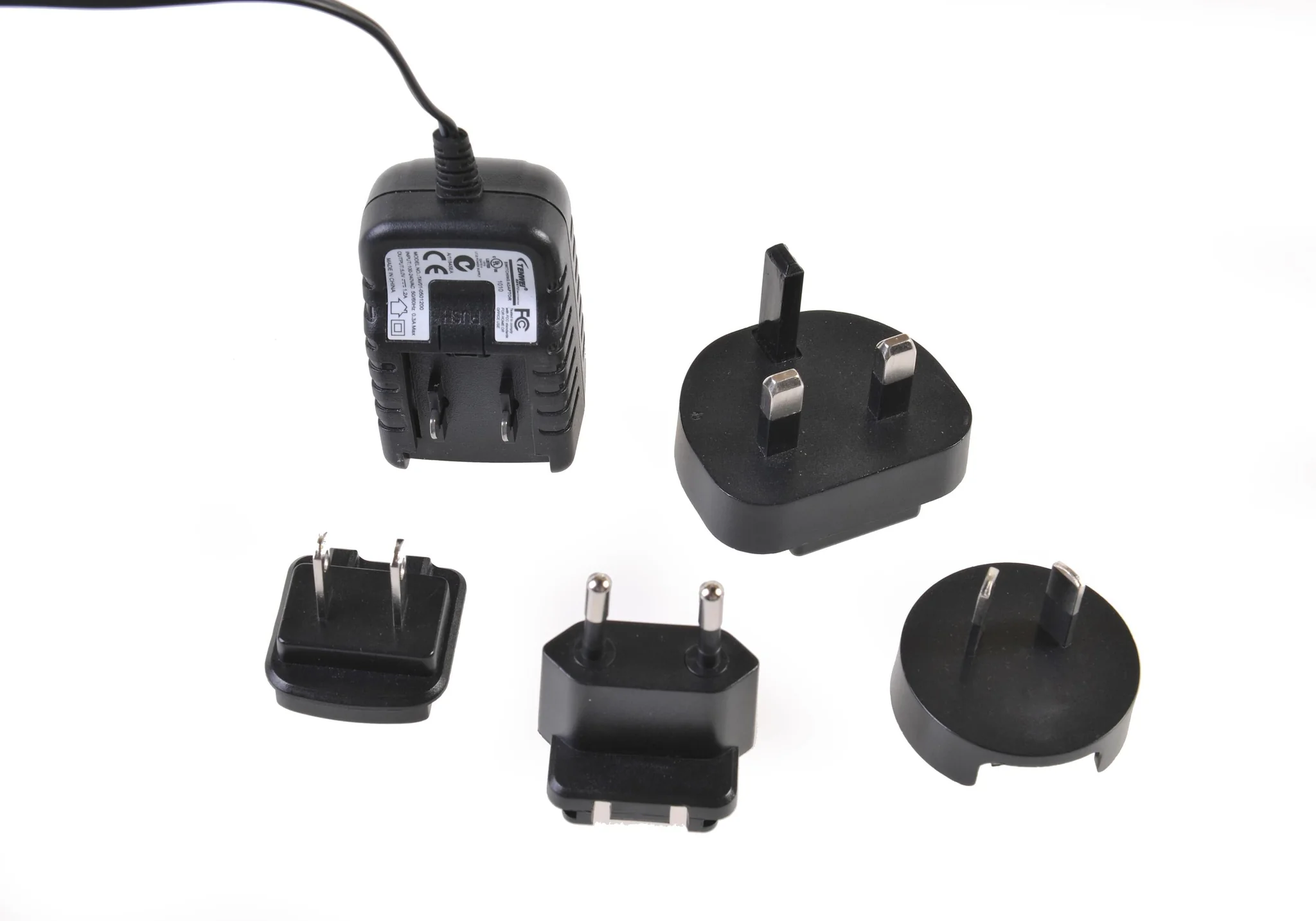
Satellite devices, including antennas, satellite phones, satellite computers, or signal transmitters, all require a stable and powerful energy source to maintain operation. Due to frequent operation in areas without grid power, satellite devices need to be equipped with batteries or independent power sources to ensure continuous connectivity. Therefore, choosing the right "satellite accessory batteries" directly affects the performance and durability of the system.
https://youtu.be/H1cTL_5ed_I?si=z5StIEeC4qFP8Utf
2. Types of batteries for satellite devicessatellite accessory batteryLithium-ion batteries are the most popular type of battery today, thanks to their ability to provide powerful, lightweight, and durable energy. Satellite devices such as satellite phones, satellite transmitters, or satellite receivers often use this type of battery.
: High capacity, long usage time, and can be reused many times without losing too much capacity.
Applications
: Suitable for mobile satellite devices, satellite phone sets, and devices requiring high flexibility.
- AdvantagesLithium-polymer batteries are an improved version of lithium-ion batteries, with a more flexible design and high load capacity. Li-Po batteries are often used in satellite devices that require continuous power for long periods.
- Applications: Thin and light design, stable power supply, and long usage time.
b. Lithium-polymer (Li-Po) battery
Lithium-polymer battery is an advanced form of lithium-ion battery, with a more flexible design and high load capacity. Li-Po is often used in satellite devices that require continuous energy for a long time.
- Advantages: Thin and light design, stable power supply, and long usage time.
- Applications: Used for mobile satellite devices and compact, portable transceivers.
c. Lead-acid battery
Although less common in mobile satellite devices, lead-acid batteries are still used in larger satellite systems or stationary satellite applications where a more stable and powerful power source is required. This type of battery typically has a lower cost and is easy to maintain.
- Advantages: Low cost, easy to replace and maintain.
- Applications: Often used for fixed satellite systems or fixed satellite ground stations in areas with available power support.
3. Factors to consider when choosing a battery for satellite equipment
a. Battery capacity
Battery capacity is the most important factor when choosing a battery for satellite equipment. Capacity determines the operating time of the device when there is no direct power source.
- How to choose: Choose a battery with a capacity that suits the expected usage time of the satellite device. For example, if you need to use the device for many hours or all day, choose a higher capacity battery.
b. Battery lifespan
Battery lifespan determines how often the battery needs to be replaced. Lithium batteries often have a long lifespan, usable for 500 to 1000 charge cycles without significant performance degradation.
- How to choose: Choose a battery with a long lifespan and ensure it meets the long-term usage requirements of the satellite system.
c. Rechargeability
When choosing batteries for satellite equipment, rechargeability is an important factor. Choosing batteries that can be recharged many times helps reduce replacement costs and ensures continuous operation without needing new batteries.
- How to choose: Choose batteries with high rechargeability and no significant capacity loss after each charge.
d. Size and weight
The size and weight of the battery are also very important, especially for mobile satellite equipment or devices used in mobile environments, such as satellite phones or signal transceivers.
- How to choose: Choose lightweight and compact batteries that still provide sufficient capacity and performance. Especially for mobile devices, compact batteries will make them easier to carry.
e. Cost
The cost of batteries and power sources for satellite equipment also needs to be considered, especially for continuously operating satellite systems. However, you should not choose batteries based solely on low price while ignoring factors such as durability and long-term performance.
- How to choose: Seek a balance between cost and quality. High-quality batteries at a reasonable price will save on future replacement and maintenance costs.
4. Additional power sources for satellite equipment
In addition to batteries, satellite systems can also use additional power sources such assolar energyto recharge devices during a trip. Small and easily installable solar panels on boats, cars, or fixed satellite stations can help maintain a continuous power supply without relying on grid power.
- Advantages: Renewable, sustainable, and non-polluting energy.
- Applications: Ideal for outdoor satellite equipment, boats, or areas without grid power.
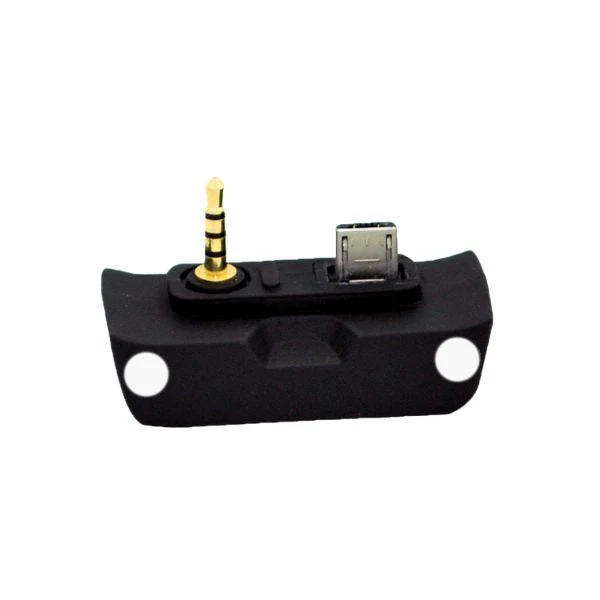
Satellite accessory battery
5. Conclusion
Choose the right satellite accessory battery is a decisive factor in ensuring the stable and efficient operation of satellite equipment. When choosing a battery, you need to consider many factors such as capacity, lifespan, size, weight, and cost. Lithium-ion and lithium-polymer batteries are currently popular choices due to their powerful features and long lifespan. Besides, using additional energy sources such as solar energy will help increase the stability of your satellite system. Understanding these factors will help you choose the optimal battery and energy source for your satellite equipment.