 English
  Tiếng Việt
 The Global Positioning System has become an indispensable part of modern life, especially in applications such as car navigation, smartphones, and aviation equipment. The two most popular satellite navigation systems today are GPS (Global Positioning System) and GLONASS (Global Navigation Satellite System). Each system has its own advantages and disadvantages. In this article, we will compare GPS and GLONASS to find out which navigation system is superior.
A satellite
1. Basic Concepts of GPS and GLONASS
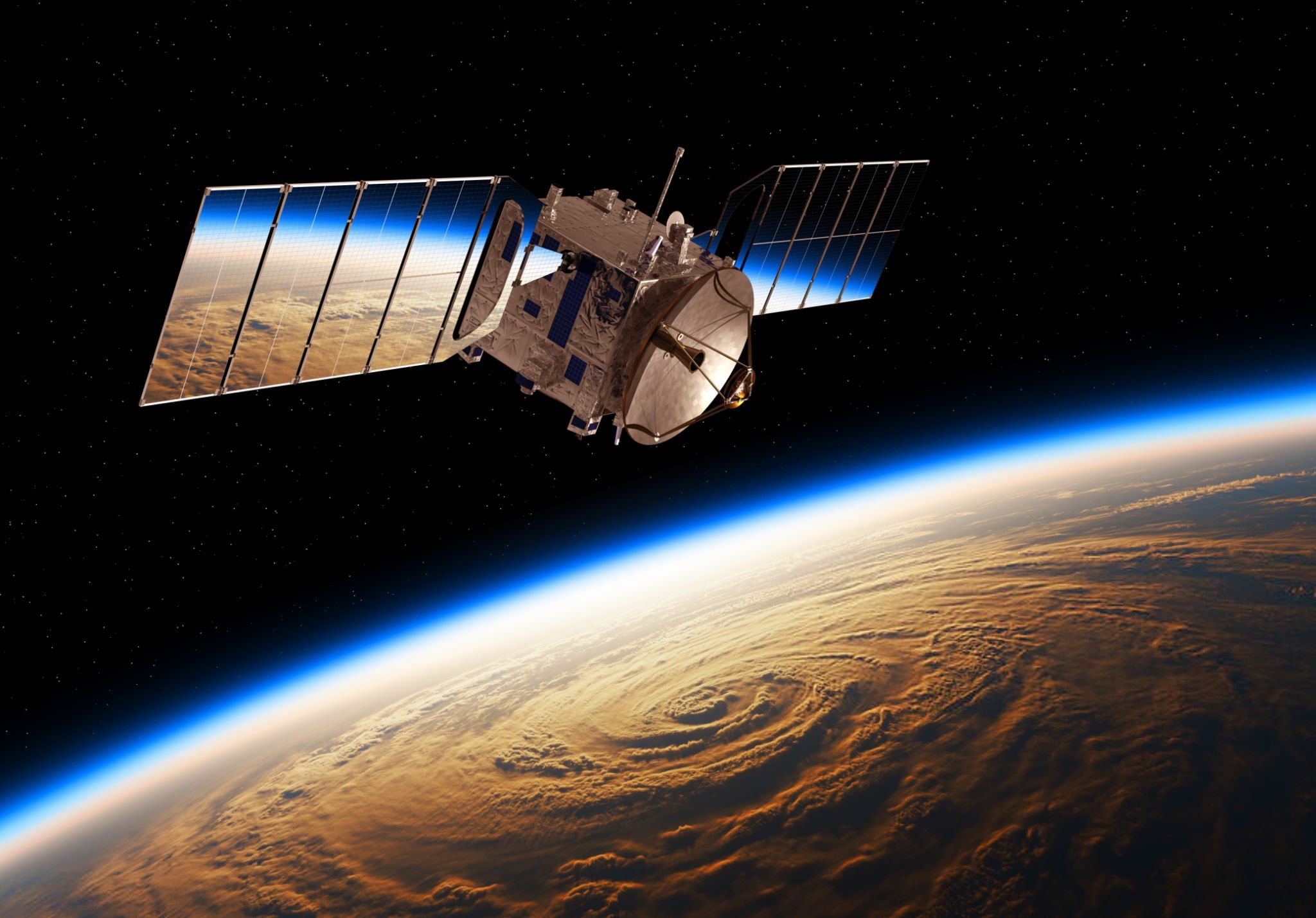
GPS (Global Positioning System) is a satellite navigation system developed and managed by the United States. It was deployed in 1978 and currently consists of 31 operational satellites, providing positioning signals to users worldwide.
GLONASS (Global Navigation Satellite System) is a satellite navigation system developed by Russia. It operates similarly to GPS, but instead of 31 satellites like GPS, GLONASS uses 24 satellites to determine precise locations on the Earth's surface.
2. Difference in Satellite Count
One of the significant differences between GPS and GLONASS is the number of satellites in each system. Although GPS has over 30 satellites, GLONASS has only 24, which can affect positioning accuracy in areas with limited satellite visibility. However, by using both systems simultaneously (GPS vs GLONASS), users benefit from better support, ensuring strong and accurate signals.
3. Accuracy and Performance
The accuracy of both GPS and GLONASS depends on various factors, including the number of available satellites and environmental conditions. Theoretically, GPS can provide accuracy up to 5 meters in ideal conditions. GLONASS, despite having fewer satellites, can enhance accuracy in urban environments or areas with many tall buildings by supplementing signals from other satellites.
When combining both GPS and GLONASS, users can achieve higher accuracy, especially in hard-to-reach areas or those with weak signals.
4. Availability and Coverage
GPS vs GLONASS have differences in varying geographical conditions. GPS performs best in the northern and southern regions of the Earth, while GLONASS is optimized for areas near the Earth's poles, as GLONASS satellites are distributed at high latitudes.
Therefore, if you are traveling near the Arctic or Antarctic regions, the GLONASS system may perform more effectively. Conversely, in equatorial regions, GPS might offer more stable performance.
5. Device Support
Nowadays, most navigation devices, from smartphones to specialized equipment, support both GPS and GLONASS systems. This means users do not need to worry about choosing which system to use. Using a combination of GPS and GLONASS optimizes signal reception, enhances accuracy, and improves positioning speed.
6. Advantages and Disadvantages of GPS and GLONASS
- Advantages of GPS:
- Extensive global coverage.
- High accuracy in ideal conditions.
- Widely used on most current devices.
- Disadvantages of GPS:
- Performance decreases in areas with high building density or under tunnels, bridges.
- Signal can sometimes be weak or interrupted when there are too few satellites operating in the area.
- Advantages of GLONASS:
- Better in areas near the North and South poles.
- Supports stable signals in challenging areas such as crowded urban environments.
- Disadvantages of GLONASS:
- Fewer satellites than GPS, which can affect accuracy in some conditions.

A satellite
7. Conclusion: GPS vs GLONASS – Which is the Superior Navigation System?
Both GPS and GLONASS have their own advantages, and which system is “superior” depends on your usage needs. If you require high accuracy and have no environmental obstructions, GPS might be a better choice. However, if you are traveling in specific areas, such as near the poles or in crowded cities, GLONASS may provide better results.
However, combining both GPS and GLONASS will give you a smoother and more accurate navigation experience. Therefore, if your device supports both systems, do not hesitate to use both GPS and GLONASS to ensure the best possible navigation capabilities.