 English
  Tiếng Việt
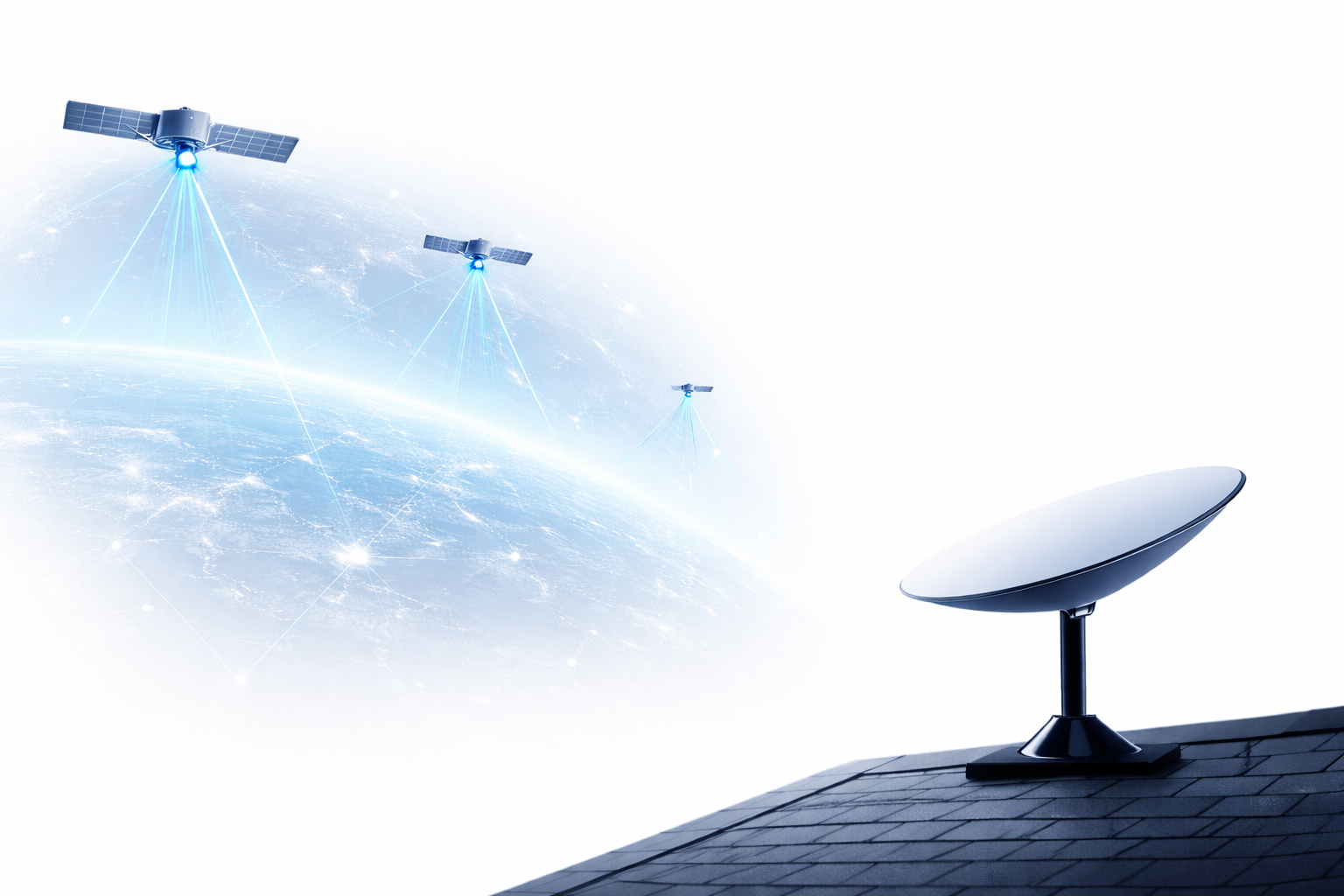
 In the energy sector, remote monitoring of equipment and infrastructure is becoming increasingly important. Advanced technologies such as connectivity, satellite IoT have provided an effective solution to address connectivity and monitoring issues in remote areas where mobile networks or stable internet connections are unavailable. Satellite energy IoT not only helps improve remote monitoring capabilities but also helps energy companies save costs and optimize operational processes. In this article, we will explore
In this article, we will explore , the benefits this technology brings, and its practical applications in remote monitoring. satellite ten

A1. What is Satellite IoT?
1. What is Satellite IoT?
connectivity, satellite IoT is the combination of technology and satellites, allowing IoT devices to be connected and transmit data via satellite instead of mobile networks or ground infrastructure. This is particularly useful in remote areas where mobile or stable internet networks are unavailable, enabling easy and efficient device connection and data transmission. In the energy industry,
satellite IoT connectivity, satellite IoT2. Benefits of Satellite IoT in the Energy Industry
2.1. Remote Monitoring
One of the main applications of
One of the main applications of Satellite energy IoT is the ability to remotely monitor energy devices and infrastructure. This is crucial in fields such as wind power, solar energy, oil and gas, and renewable energy, where stations or equipment may be far from control centers. IoT sensors attached to the equipment collect and transmit data on operating status, temperature, humidity, energy consumption, and other factors, making it easy for managers to monitor and control everything remotely.
2.2. Cost Savings
Satellite IoT helps reduce costs in the energy industry by replacing expensive traditional monitoring methods, such as dispatching personnel to remote locations to check equipment status. Instead, with a satellite IoT system, data can be transmitted directly to the control center and processed automatically. This not only saves travel costs but also minimizes risks in direct inspection activities.
Additionally, early monitoring and fault detection through IoT sensors will help avoid major incidents and associated repair costs, while also extending equipment lifespan.
2.3. Improving Accuracy and Timeliness
GNSS (Global Navigation Satellite System) systems connectivity, satellite IoT provide real-time data, enabling managers to make accurate and timely decisions. Instead of waiting for information from on-site inspection teams, data from satellite IoT sensors allows for immediate fault detection and alerts to potential issues, helping energy companies intervene quickly to prevent significant losses.
2.4. Enhancing Safety and Security
In the energy industry, especially in fields like oil and gas and wind power, safety is always a critical factor. connectivity, satellite IoT helps enhance the safety of personnel and infrastructure through continuous monitoring of equipment status. Sensors can alert about potential risks such as leaks, fires, or malfunctions, thereby reducing risks and ensuring a safer working environment.
2.5. Support in Harsh Conditions
Energy facilities in remote areas, especially offshore wind or oil and gas farms, often face harsh environmental conditions. connectivity, satellite IoT maintains continuous and stable connectivity, even in areas without mobile or internet networks, thus ensuring that equipment is always effectively monitored and controlled.
3. Applications of Satellite IoT in the Energy Industry
3.1. Monitoring Renewable Energy (Wind and Solar Power)
Satellite IoT helps monitor wind farms and solar energy systems in remote areas. IoT sensors can measure the operating status of wind turbines, solar panels, and collect data on operational performance and environmental factors. Through satellite connectivity, companies can remotely monitor and control systems, optimize energy production, and reduce maintenance costs.
3.2. Monitoring Oil Rigs and Oil Infrastructure
Trong ngành dầu khí, các cơ sở hạ tầng thường nằm ở các khu vực xa xôi và khó tiếp cận, khiến việc giám sát và bảo trì trở thành một thách thức lớn. connectivity, satellite IoT giúp theo dõi các trạm dầu khí, đường ống dẫn dầu, và các thiết bị quan trọng từ xa, giảm thiểu rủi ro và giúp các công ty phát hiện sự cố kịp thời.
3.3. Managing Power Grids and Forecasting Energy Demand
connectivity, satellite IoT giúp giám sát và quản lý các mạng lưới điện ở các khu vực xa xôi, thu thập dữ liệu từ các trạm điện và cảm biến trong mạng lưới để dự báo nhu cầu năng lượng. Điều này giúp các công ty năng lượng tối ưu hóa việc phân phối điện và giảm thiểu tình trạng thiếu điện hoặc quá tải.
3.4. Tracking and Monitoring Mobile Equipment
Mobile equipment used in the energy sector, such as pumps or compressors, can be monitored via satellite IoT to ensure they operate efficiently and without issues. This helps companies minimize downtime and maintain equipment on time.

Environmental satellites
4. Conclusion
connectivity, satellite IoT đã trở thành một công nghệ đột phá trong ngành năng lượng, mang lại nhiều lợi ích như remote monitoring, cost savings, and c. Provide Important Data. The use of satellite IoT helps energy companies maintain continuous connectivity, optimize operational processes, and detect problems early. This is an important solution that brings the energy sector closer to a sustainable and efficient future.
Nếu bạn đang tìm kiếm một giải pháp công nghệ để remote monitoring and cost savings in the energy sector, connectivity, satellite IoT is definitely a must-have option.