 English
  Tiếng Việt
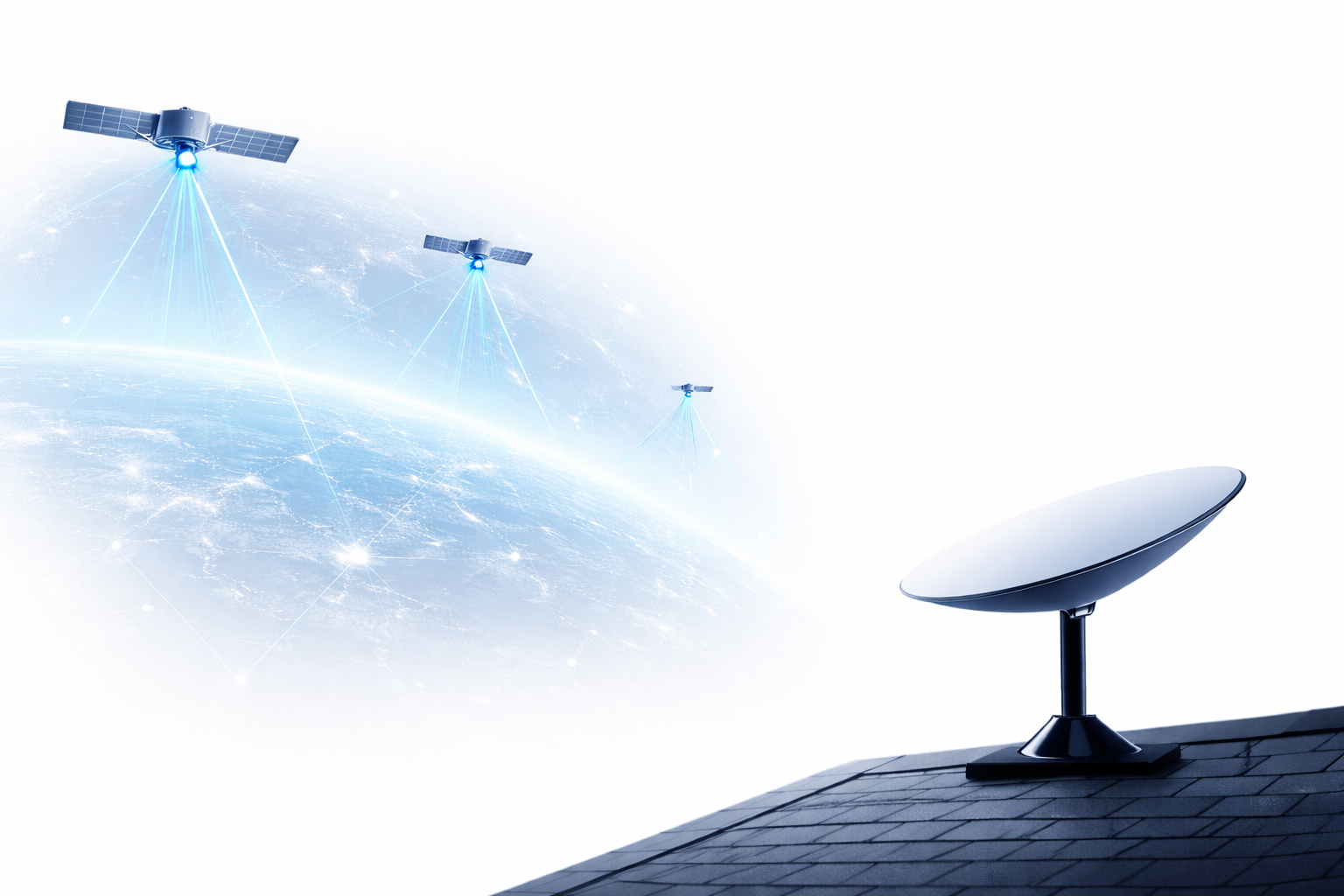
 In the era of strong technological development, technology and satellites, allowing IoT devices to be connected and transmit data via satellite instead of mobile networks or ground infrastructure. This is particularly useful in remote areas where mobile or stable internet networks are unavailable, enabling easy and efficient device connection and data transmission. has created breakthrough advancements in connecting and managing smart devices. However, one of the biggest challenges for IoT is the implementation and maintenance of connectivity in areas with no or weak mobile networks. To address this issue, connectivity, satellite IoT emerges as an optimal solution, especially for device management in remote areas and hard-to-reach locations.
In this article, we will explore how connectivity, satellite IoT works, its benefits for device management in remote areas, as well as practical applications across various industries.
1. What is Satellite IoT?
connectivity, satellite IoT is the combination of Internet of Things (IoT) technology and satellite systems. Instead of relying on terrestrial mobile networks, connectivity, satellite IoT uses satellites in space to transmit data between IoT devices and processing centers. This is particularly important in areas with no or weak mobile signals such as oceans, deserts, mountainous regions, or remote wilderness areas.
IoT devices, when connected to satellites, can collect and transmit data about their status, location, environment, or other parameters without relying on terrestrial network infrastructure.
A satellite
2. Benefits of Satellite IoT in Remote Area Device Management
2.1. Continuous Connectivity Anytime, Anywhere
One of the biggest advantages of connectivity, satellite IoT is its ability to maintain continuous connectivity in remote areas where cellular networks are inaccessible. Satellites in space help create a global network, allowing IoT devices to transmit data anytime and anywhere. This is extremely important in applications requiring device monitoring in offshore areas, forests, mountains, or remote regions.
2.2. Remote Device Management
Satellite IoT allows users to monitor and manage devices remotely, without needing to be on-site. For example, in agriculture, IoT sensors attached to farm equipment can transmit data on humidity, temperature, or fertilizer levels, helping farmers monitor and adjust these factors remotely. This saves time, reduces travel costs, and improves work efficiency.
2.3. Reduced Infrastructure Costs
In remote areas, deploying traditional cellular network infrastructure is expensive and sometimes not feasible. connectivity, satellite IoT addresses this issue by eliminating reliance on ground-based networks. Using satellites to connect devices not only saves costs but also increases flexibility in deploying IoT solutions in any area.
2.4. Enhanced Safety and Security
In applications such as environmental protection monitoring, ship tracking, or oil and gas equipment monitoring, connectivity, satellite IoT provides a safe and reliable solution. By collecting and transmitting data from sensors attached to devices in remote areas, companies can detect problems in a timely manner, helping to protect assets and people.
2.5. Easier Device Management and Maintenance
Devices equipped with satellite IoT can provide real-time information about their operational status, helping engineers and managers identify potential issues or failures early on. Maintaining and repairing devices in remote areas becomes easier when data is updated continuously and in a timely manner.
3. Satellite IoT Applications in Remote Areas
3.1. Agriculture
connectivity, satellite IoT in the agricultural sector helps monitor environmental factors such as humidity, temperature, and soil quality. IoT devices attached to farms or agricultural production areas can transmit satellite data even without mobile networks, thereby helping farmers make more accurate decisions and optimize productivity.
3.2. Oil and Gas and Mining Industry
In the oil, gas, and mining industry, satellite IoT devices can monitor mining equipment, oil rigs, and critical infrastructure in remote areas. Thanks to satellite connectivity, companies can ensure everything is operating normally and detect problems early.
3.3. Vessel and Maritime Transport Management
connectivity, satellite IoT provides an ideal solution for tracking vessels in remote sea areas where there is no mobile network. IoT devices on board can transmit data about location, vessel status, and weather conditions, helping transport managers monitor the situation and make timely decisions.
3.4. Outdoor Infrastructure Management
In remote areas such as meteorological measurement stations, environmental monitoring stations, or renewable energy infrastructure in remote areas, connectivity, satellite IoT helps to monitor and control equipment remotely, minimizing risks and ensuring efficient operations.
A satellite
4. Conclusion
connectivity, satellite IoT is a powerful solution for managing devices in remote areas without mobile networks. With continuous connectivity, reduced infrastructure costs, and remote monitoring capabilities, connectivity, satellite IoT is opening up new opportunities for industries, especially in areas such as agriculture, oil and gas, mining, and maritime transport.
If you are looking for an optimal solution for managing equipment in remote areas, connectivity, satellite IoT is definitely a technology not to be missed.