 English
  Tiếng Việt
 Satellite IoT: Solutions for Mitigating Road Traffic Risks
In the context of increasingly complex road traffic, satellite IoT (Internet of Things) technology is emerging as a powerful "assistant" to mitigate risks. Beyond connecting devices via satellite networks, IoT offers real-time monitoring, prediction, and incident response capabilities. So, how does satellite IoT contribute to traffic safety? Let's explore!
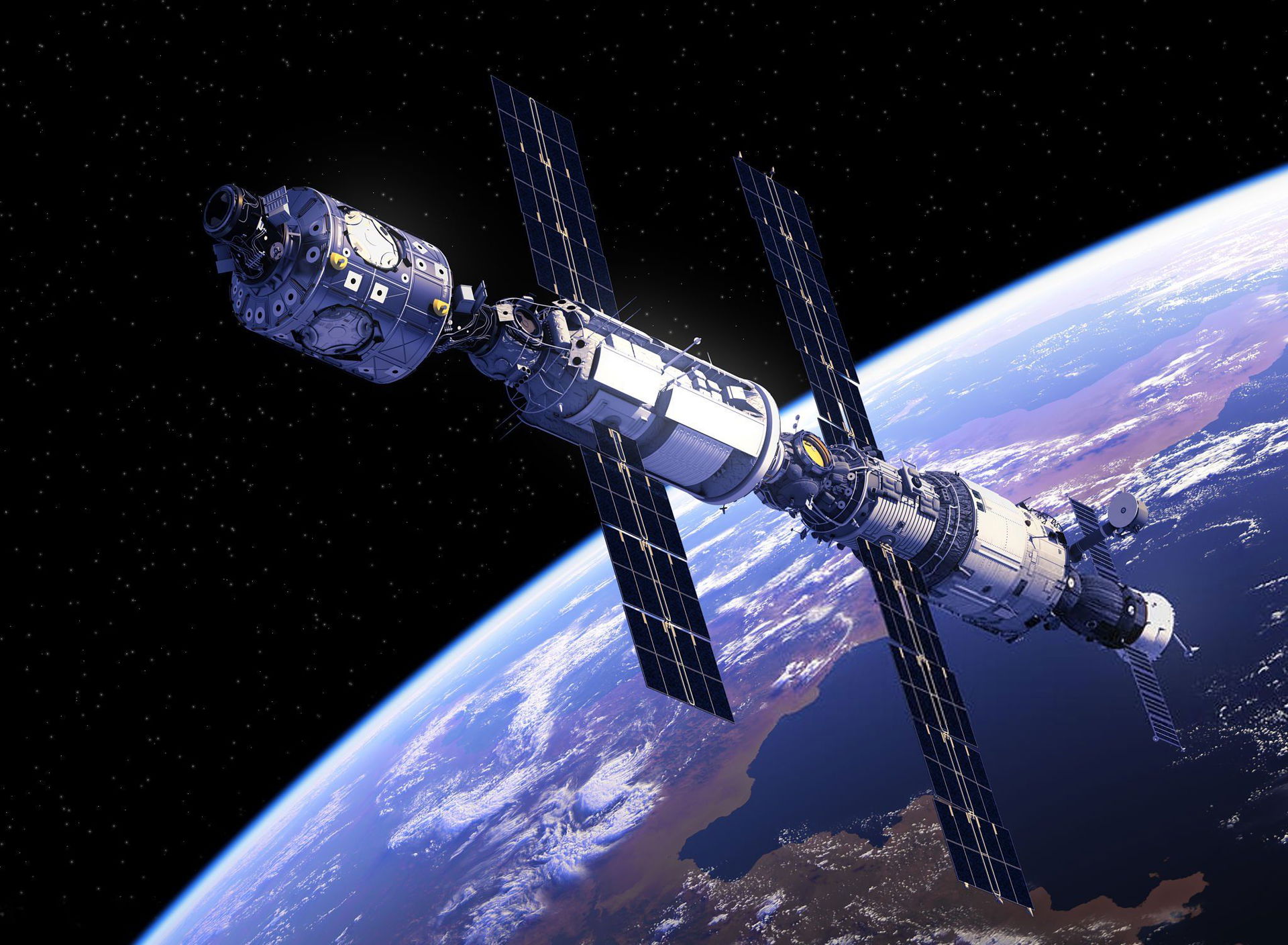
Satellite development
what is satellite IoT?
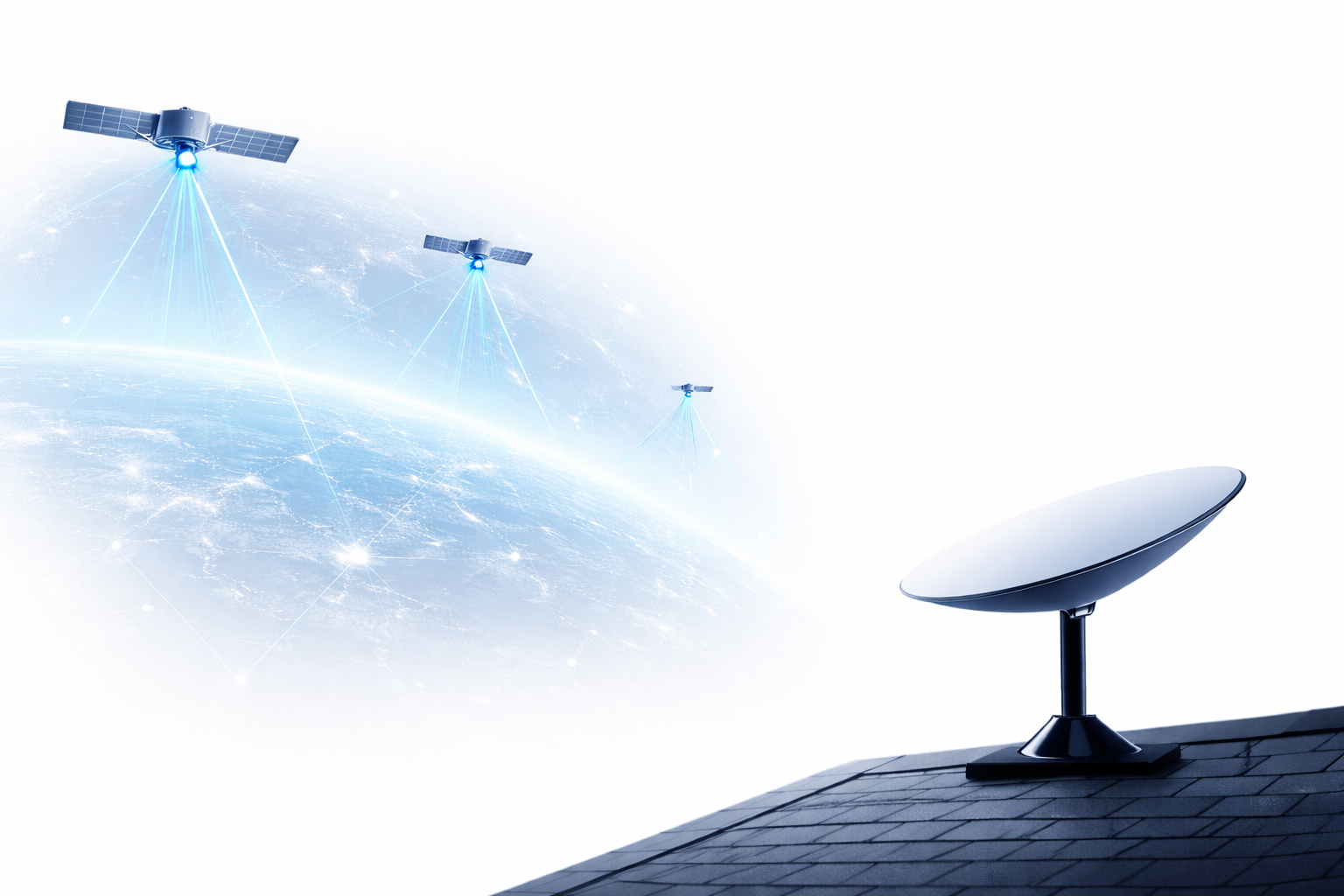
Satellite IoT uses smart sensors connected via satellite to collect and transmit data remotely. Independent of ground infrastructure like mobile networks or Wi-Fi, this technology operates effectively in both urban and remote areas where signal is weak or non-existent.
How Does It Mitigate Traffic Risks?
- Real-time Monitoring:
IoT sensors attached to vehicles or roads transmit data on speed, location, and vehicle condition via satellite. If a vehicle exceeds the speed limit or shows signs of abnormality (like sudden braking), the system immediately alerts the driver and management authorities. This helps prevent accidents caused by human error – the primary cause accounting for over 90% of collisions. - Predicting Risks:
Satellite IoT combines with artificial intelligence (AI) to analyze weather data, traffic density, and road conditions. For example, if slippery roads due to rain or congestion ahead are detected, the system can suggest alternative routes, reducing the risk of traffic jams and collisions. - Rapid Emergency Support:
In the event of an accident, the IoT sensor on the vehicle automatically sends a signal via satellite to the rescue team, along with precise coordinates. This is particularly useful in remote areas where traditional communication is difficult, helping to reduce response time – a critical factor in saving lives. - Smart Traffic Management:
Data from satellite IoT allows for the adjustment of traffic lights or electronic signs according to real-time conditions. In large cities with frequent traffic jams, this system reduces congestion, thereby lowering the risk of accidents due to crowding.
Superior Advantages
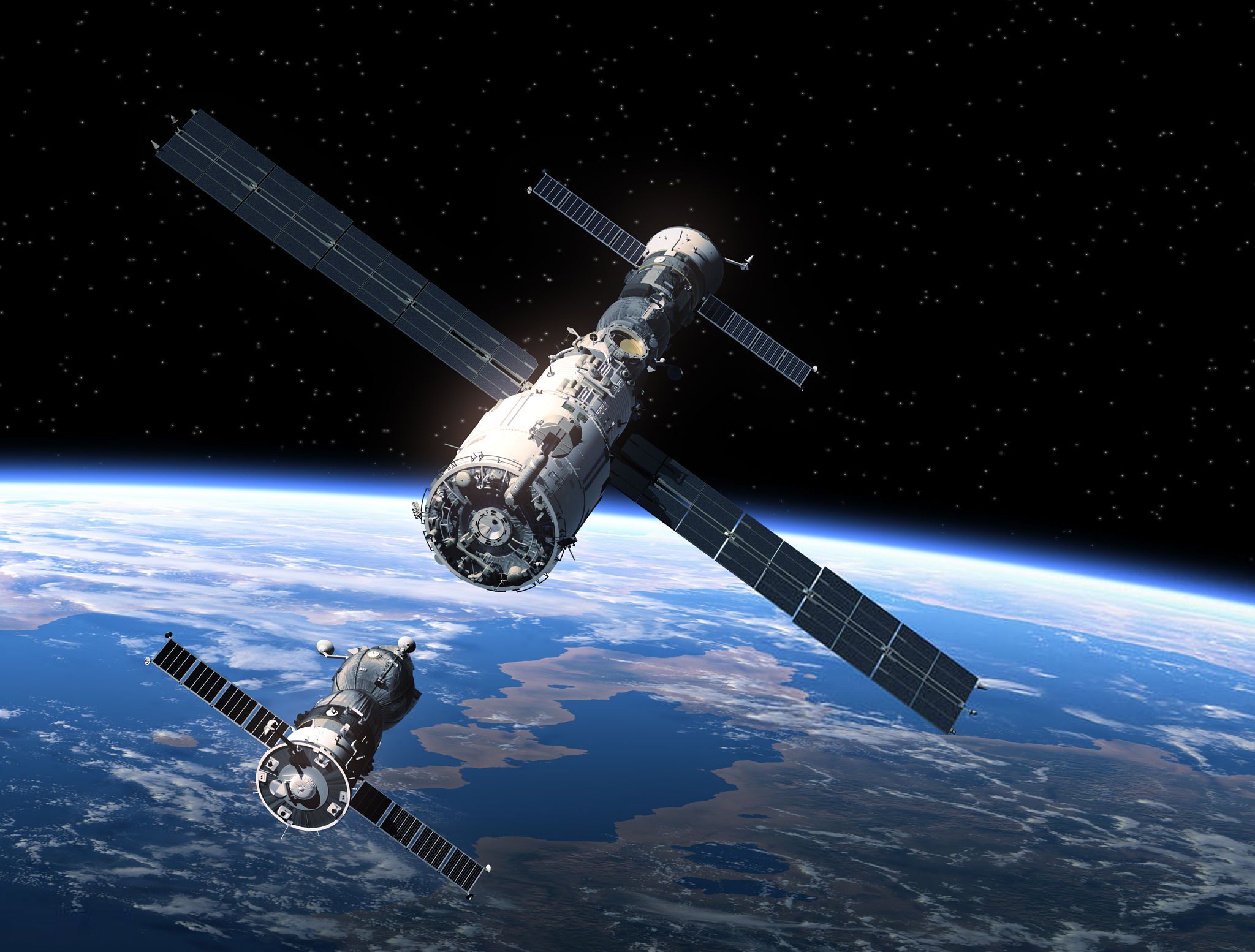
Satellite
- Global coverage: Not limited by ground coverage, satellite IoT ensures continuous communication.
- High reliability: Stable operation even during power outages or local network failures (e.g., during natural disasters).
- Big data: Collects information from millions of vehicles, supporting the development of long-term transportation strategies.
Challenges to Overcome
Despite its great potential, satellite IoT still faces high implementation costs and complex technical requirements. Additionally, data security issues also need attention to prevent cyberattacks.
Conclusion
Satellite IoT is not just a technology of the future; it is already changing how we manage road traffic. From monitoring and prediction to emergency assistance, it offers comprehensive solutions to reduce risks, especially in hard-to-reach areas. What do you think about this potential? Share your thoughts for discussion!