 English
  Tiếng Việt
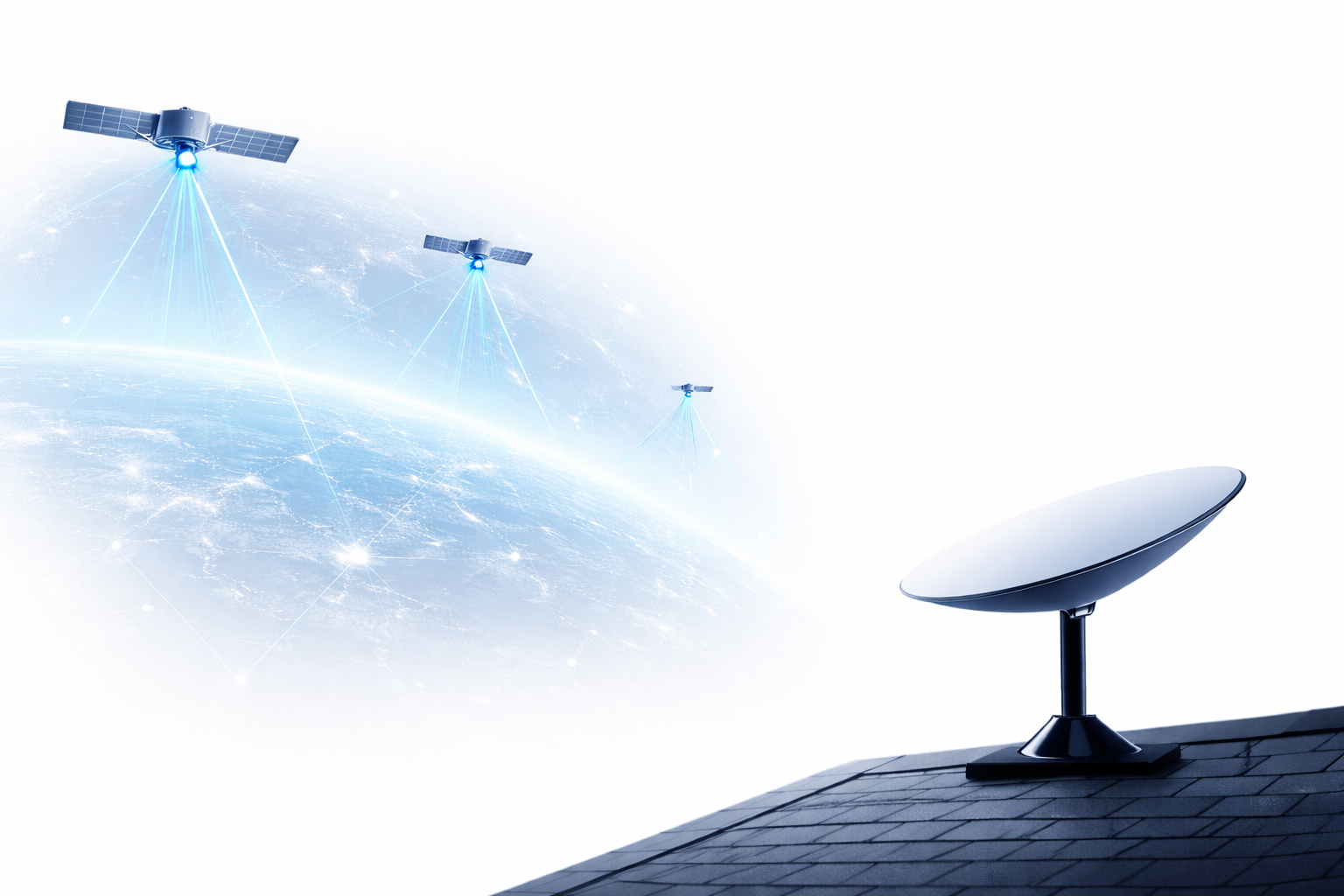
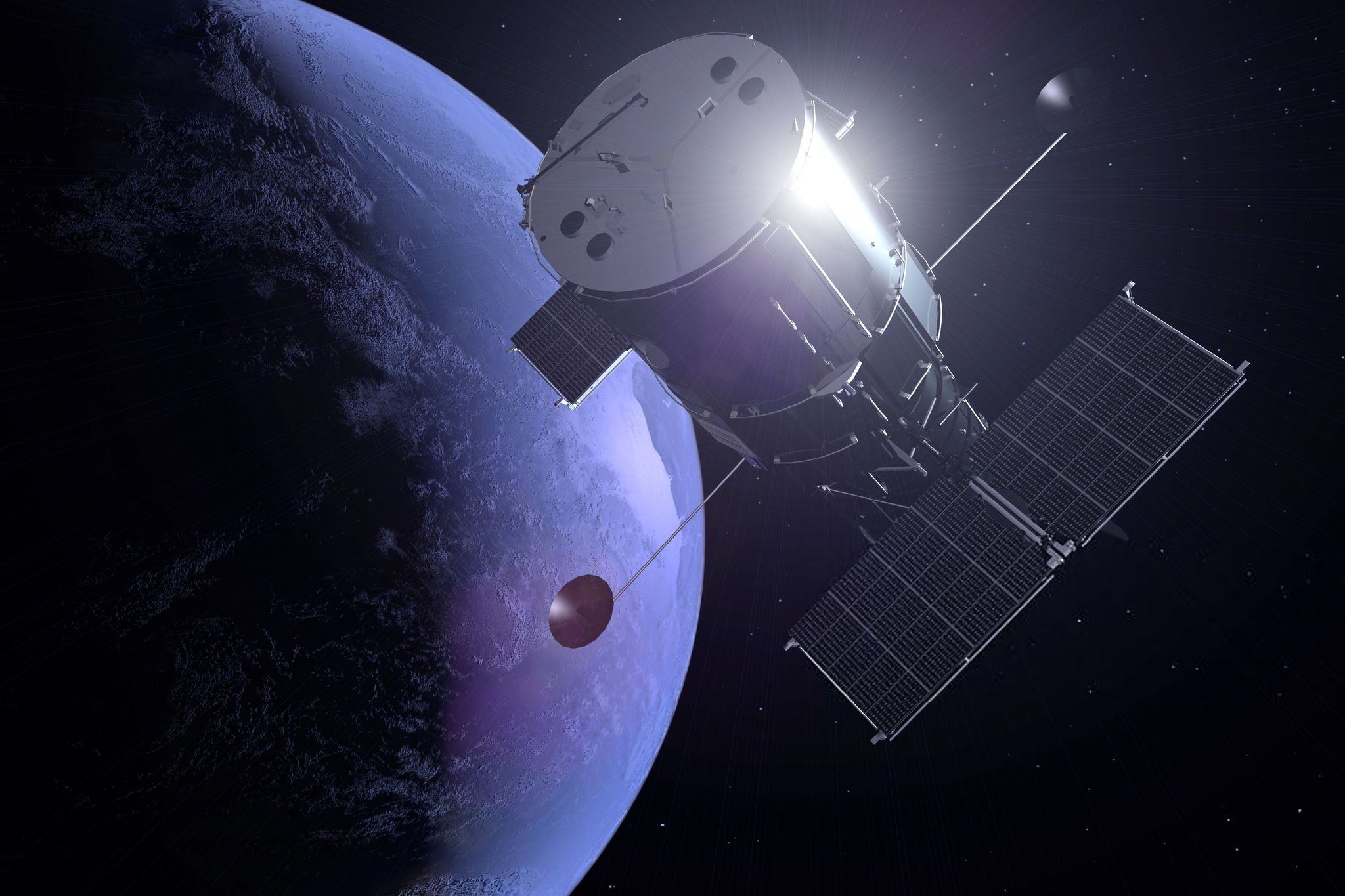
 Satellite IoT systems are becoming increasingly important in collecting data from remote areas without traditional network connectivity. satellite IoT sensors play a key role in collecting environmental data, natural resources, and other factors from space. These sensors help provide accurate information for monitoring, forecasting, and automation purposes. In this article, we will explore the common types of sensors in satellite IoT systems.
A satellite
1. Temperature Sensors
Temperature sensors are among the most basic and important types of sensors in satellite IoT systems. These sensors help monitor and collect information about temperature fluctuations in various environments, from Earth to space.
- Applications: Environmental monitoring, weather forecasting, air quality control, tracking temperature changes in industrial systems.
- Example: Temperature sensors are used in monitoring atmospheric temperature and sea temperature changes.
2. Humidity Sensors
Humidity sensors are used to measure air and soil surface humidity, helping to analyze environmental conditions and predict climate-related factors. These sensors can help determine the humidity level in the air, thereby providing effective resource management solutions.
- Applications: Monitoring air humidity, vegetation monitoring, rain forecasting, and special weather phenomena.
- Example: Humidity sensors in smart agriculture systems to optimize irrigation.
3. Pressure Sensors
Pressure sensors measure atmospheric pressure and can provide information about altitude, air density, and factors related to atmospheric pressure changes.
- Applications: Monitoring weather conditions, storm forecasting, tracking pressure changes in space and environmental systems.
- Example: Satellite pressure sensors help determine cloud altitudes or storm intensity.
4. Optical Sensors
Optical sensors use light and different wavelengths to measure and analyze physical phenomena, helping to collect data on environmental factors from space.
- Applications: Monitoring air quality, checking light pollution levels, tracking natural activities and environmental changes.
- Example: Optical sensors help monitor and measure cloud density and solar radiation spectrum.
5. Carbon Dioxide (CO2) Sensors
CO2 sensors are an important part of monitoring carbon dioxide levels in the atmosphere. This is a key factor in assessing climate change and environmental pollution.
- Applications: Monitoring greenhouse gases, researching climate change, and monitoring air quality.
- Example: CO2 sensors in satellites monitor the increase in global CO2 emissions and analyze its environmental impact.
6. Image Sensors
Image sensors or optical sensors (cameras) are used to capture images and videos from space, thereby analyzing images of land, cities, and the natural environment.
- Applications: Environmental monitoring, natural resource management, smart agriculture, disaster monitoring.
- Example: Satellites use imaging sensors to monitor changes in forest area, burnt areas, or natural disasters.
7. Motion Sensors
Motion sensors in satellite IoT systems help detect the movement of objects, such as ships, vehicles, or animals. These sensors are crucial in monitoring and security applications.
- Applications: Traffic monitoring, wildlife protection, security surveillance.
- Example: Motion sensors help detect the movement of fishing boats on the ocean or wild animals in conservation areas.
8. GPS Sensors
GPS sensors in satellite IoT systems help accurately locate objects on the ground, providing critical information for monitoring and navigation applications.
- Applications: Traffic monitoring, pet tracking, fleet management, precision agriculture.
- Example: GPS sensors help track the location of vehicles and industrial equipment from space.
9. Ozone Sensors
Ozone sensors help measure ozone levels in the atmosphere, an important factor in monitoring air quality and protecting the ozone layer.
- Applications: Air quality monitoring, environmental pollution control.
- Example: Ozone sensors in satellites help monitor and warn about ozone layer depletion.
10. Ultrasonic Sensors
Ultrasonic sensors use sound waves to measure distance and detect objects in the environment. These sensors can be applied in animal monitoring or measurement systems.
- Applications: Animal tracking, distance measurement, terrain identification.
- Example: Ultrasonic sensors in agriculture for monitoring terrain changes and analyzing soil conditions.
A satellite
Conclusion
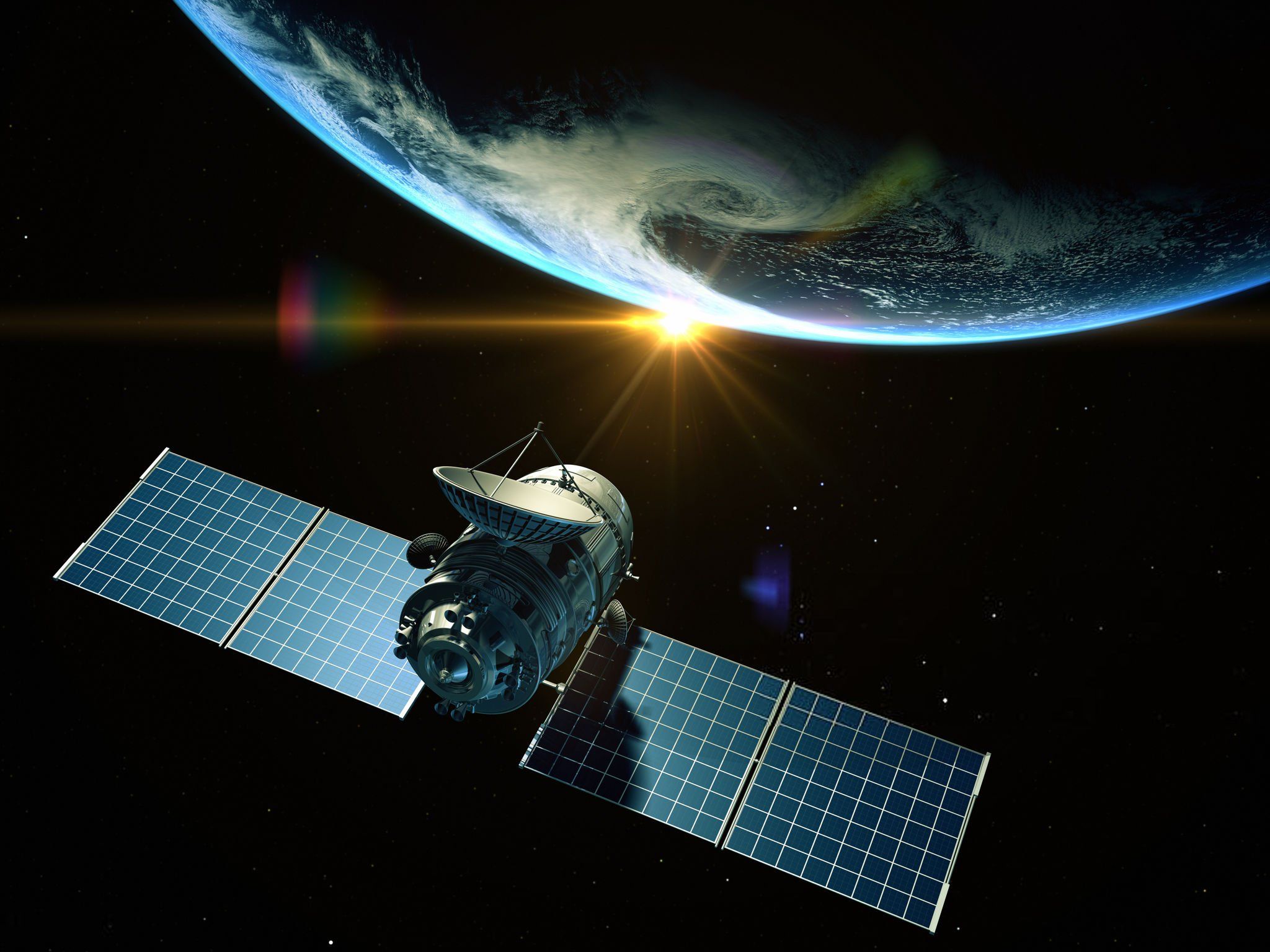
Defense satellitessatellite IoT sensors play an extremely important role in collecting and analyzing data on the environment, resources, and other factors from space. These types of sensors not only help monitor natural conditions but also support applications in agriculture, transportation, and environmental protection. With the continuous development of satellite and sensor technology, connectivity, satellite IoT systems are becoming increasingly powerful and effective in providing intelligent monitoring and automation solutions.