 English
  Tiếng Việt
 With the strong development of 5G technology, one of the questions many people ask is whether satellite solutions can be integrated with 5G networks. This is an important issue for businesses and telecommunications service providers, as this combination can bring significant benefits in terms of data transmission speed, coverage, and unlimited network connectivity. In this article, we will explore the possibility of integrating satellite solutions with 5G networks, the benefits of this combination, and the challenges to overcome.
1. Overview of Satellite Solutions and 5G Networks
1.1. Satellite Solutions
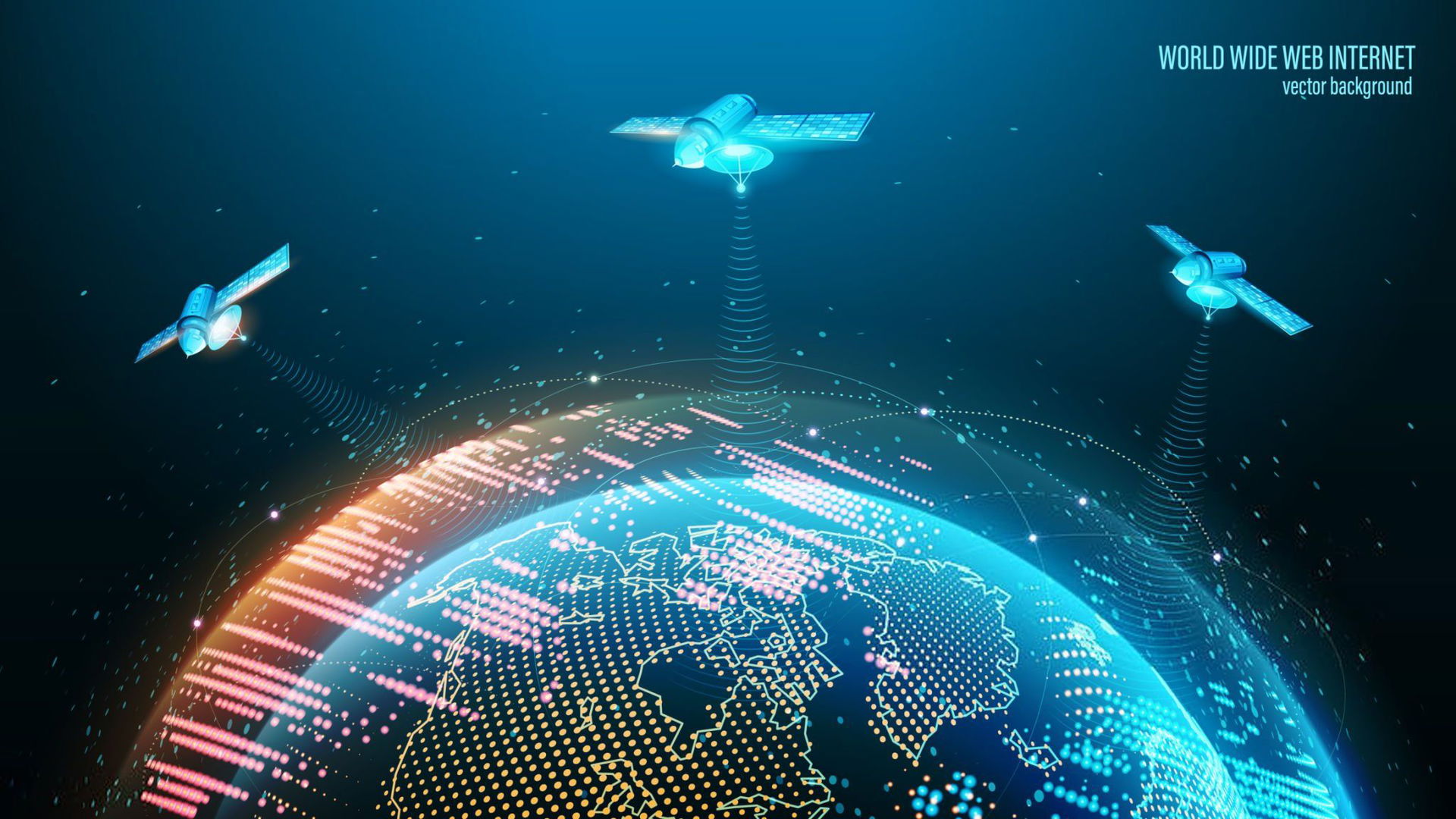
Satellite solutions is a technology that uses artificial satellites to transmit and receive data from space. These satellites can provide services such as broadband internet, telecommunications, and environmental monitoring, helping to connect remote areas without traditional network infrastructure. Thanks to the development of satellite technology, many hard-to-reach areas can now connect to the world through satellite services.
1.2. 5G Networks
5G network is the next generation of mobile networks after 4G, offering extremely fast data transmission speeds, low latency, and the ability to connect millions of devices in a wide area. With its ability to transmit large amounts of data at extremely high speeds, 5G networks open up many opportunities in fields such as the Internet of Things (IoT), self-driving cars, and other high-bandwidth demanding applications.
2. Integrating Satellite Solutions with 5G Networks: Is it Possible?
The short answer is yes, satellite solutions can be integrated with 5G networks. In fact, the combination of these two technologies is being researched and deployed globally. This integration will create a more robust connectivity network, providing higher broadband services and coverage, helping to meet the growing connectivity needs of businesses and consumers.
3. Benefits of Integrating Satellite and 5G Solutions
3.1. Enhanced Coverage Range
One of the major challenges of 5G networks is the deployment of fiber optic infrastructure or base stations in remote and isolated areas. However, when integrated with satellite solutions, 5G networks can extend coverage to places where traditional infrastructure cannot reach. Satellites can act as "gateways" to transmit signals between areas without network coverage and the terrestrial 5G network.satellite solutions, mạng 5G có thể mở rộng phạm vi phủ sóng tới những nơi mà cơ sở hạ tầng truyền thống không thể với tới. Các vệ tinh có thể đóng vai trò như những “cổng nối” truyền tín hiệu giữa các khu vực không có mạng và mạng 5G trên mặt đất.
https://youtu.be/oOE0rthubF4?si=DDKcq4cq3cNqPLQc
3.3. Ensuring Continuous and High-Reliability Connectivity
3.4. Enhanced Service for Hard-to-Reach Areas
When combining satellite solutions with 5G networks, businesses can easily provide services in remote areas or regions where deploying fiber optics or traditional mobile infrastructure is difficult and costly. This helps extend 5G services to underserved areas, bringing new development opportunities to rural, mountainous, and island regions.
4. Challenges in Integrating Satellite and 5G Solutions
When combining satellite solutions with 5G networks, các doanh nghiệp có thể dễ dàng cung cấp dịch vụ ở những khu vực hẻo lánh hoặc các khu vực mà việc triển khai cáp quang hoặc cơ sở hạ tầng di động truyền thống là khó khăn và tốn kém. Điều này giúp mở rộng dịch vụ 5G tới những vùng chưa được phục vụ, mang lại cơ hội phát triển mới cho các khu vực nông thôn, miền núi và hải đảo.
4. Thách Thức Trong Việc Tích Hợp Giải Pháp Vệ Tinh và Mạng 5G
Mặc dù sự tích hợp giữa giải pháp vệ tinh và mạng 5G mang lại nhiều lợi ích, nhưng cũng có một số thách thức cần vượt qua:
4.1. Chi Phí Đầu Tư Cao
Việc triển khai cơ sở hạ tầng vệ tinh và mạng 5G đồng thời đòi hỏi chi phí đầu tư lớn. Điều này có thể là một rào cản đối với các doanh nghiệp và nhà cung cấp dịch vụ, đặc biệt là ở các khu vực phát triển hoặc những thị trường đang phát triển.
4.2. Độ Trễ Cao Khi Sử Dụng Vệ Tinh
Mặc dù vệ tinh có thể cung cấp kết nối ở nhiều khu vực, nhưng độ trễ khi truyền tải dữ liệu qua vệ tinh vẫn có thể cao hơn so với truyền tải qua các phương tiện khác, chẳng hạn như cáp quang. Để giải quyết vấn đề này, các nhà cung cấp dịch vụ vệ tinh và 5G đang nghiên cứu các phương pháp giảm độ trễ, như sử dụng vệ tinh quỹ đạo thấp (LEO) thay vì vệ tinh quỹ đạo cao (GEO).
4.3. Phức Tạp trong Việc Quản Lý Mạng
The combination of 5G networks and satellite solutions sẽ tạo ra một hệ thống mạng phức tạp hơn, đòi hỏi các nhà cung cấp dịch vụ phải quản lý, giám sát và tối ưu hóa mạng trên nhiều cấp độ. Việc đảm bảo kết nối ổn định và đồng bộ giữa các phần của mạng sẽ là một thách thức lớn.
5. Conclusion
Giải pháp vệ tinh và mạng 5G hoàn toàn có thể tích hợp với nhau, mang lại nhiều lợi ích như mở rộng phạm vi phủ sóng, tăng tốc độ truyền tải và giảm độ trễ. Mặc dù việc tích hợp này gặp phải một số thách thức về chi phí và quản lý, nhưng những lợi ích mà nó mang lại, đặc biệt là trong việc kết nối các khu vực hẻo lánh và đảm bảo kết nối ổn định, là không thể phủ nhận. Khi công nghệ tiếp tục phát triển, việc tích hợp giữa giải pháp vệ tinh và mạng 5G sẽ mở ra nhiều cơ hội mới cho các doanh nghiệp và các dịch vụ viễn thông trên toàn cầu.