Satellite Solutions for Remote Areas: Optimal Connection Choices

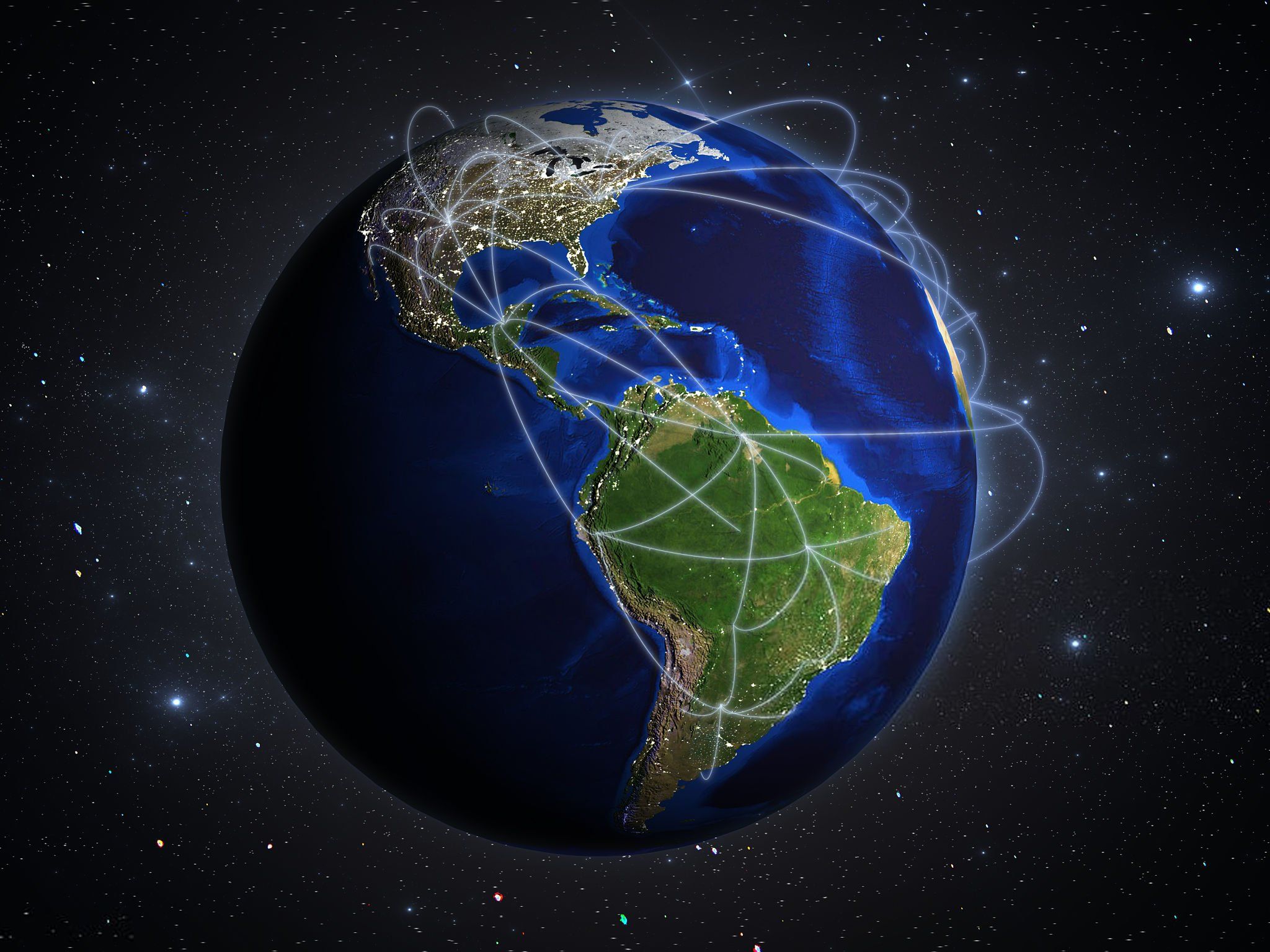
In today's digital age, providing internet connectivity and telecommunications services to remote areas is a major challenge for many countries and regions. Traditional communication solutions such as fiber optics and 4G/5G mobile networks often face difficulties in providing services in remote and distant locations. However, with the development of satellite solutions, connectivity to these areas has become more feasible than ever before. In this article, we will explore satellite solutions for remote areas and why they are the optimal connectivity choice for these regions.

Artificial satellites

1. What is a Satellite Solution?

Satellite solutions are systems that use artificial satellites to transmit telecommunications, internet, and other communication services. These satellites can provide direct connectivity from space to ground devices, eliminating geographical or traditional infrastructure barriers. These solutions are particularly useful for remote areas where laying fiber optic cables or installing mobile towers is difficult.

2. Why are Satellite Solutions the Optimal Choice for Remote Areas?

2.1. Extensive Coverage

One of the biggest advantages of satellite solutions is their ability to provide coverage in all locations, including remote, isolated areas, mountainous regions, and islands. With Low Earth Orbit (LEO) or Geostationary Orbit (GEO) satellites, satellite services can easily connect areas that traditional networks cannot reach. In particular, satellites can provide broad coverage, helping remote areas access to telecommunications services, broadband internet, and other essential applications. This opens up economic and social development opportunities for communities lacking communication infrastructure.

2.2. No Complex Infrastructure Required

A major challenge in deploying fiber optic or 4G/5G networks in remote areas is the costly and complex infrastructure construction. Laying fiber optic cables or building mobile base stations requires substantial financial support and time, whereas,satellite solutions only require simple satellite equipment and signal receivers/transmitters. With just a satellite transceiver located in the area needing connection, users can easily connect to satellite services without worrying about complex infrastructure installation. This helps minimize deployment costs and time.

2.3. Minimize Connection Disruptions

remote areas often face connection disruption issues due to natural disasters, storms, floods, or geographical factors. Satellite networks can maintain stable connections even in harsh weather conditions or areas without traditional telecommunications infrastructure. By usingsatellite solutions, these areas can maintain continuous connectivity, serving critical needs such as online education, remote healthcare, and economic development through technological applications.

3. Types of Satellite Solutions for Remote Areas

3.1. Low Earth Orbit (LEO) Satellites

Low Earth Orbit (LEO) satellites have orbits ranging from 500 to 2,000 km above the Earth, reducing data transmission latency and providing high-speed internet services to remote areas. These satellites move rapidly and can serve multiple regions globally. LEO satellite networks such as project is a prime example of using satellites to bring broadband Internet to remote areas and regions with limited network connectivity. by SpaceX are emerging as excellent solutions for areasremote areas, with the ability to provide broadband internet connectivity to households and businesses, even in the most remote regions.

3.2. Geostationary Orbit (GEO) Satellites

Geostationary orbit (GEO) satellites operate at an altitude of approximately 35,786 km above the Earth's surface. Despite having a higher latency than LEO satellites, GEO satellites offer wide and stable coverage, making them an ideal choice for telecommunications, television broadcasting, and internet connectivity services across large areas. GEO satellites can provide internet connectivity and voice services for remote areas, especially in places lacking sufficient ground-based network infrastructure.

3.3. Medium Earth Orbit (MEO) Satellites

Medium Earth Orbit (MEO) satellites are located at a distance of 2,000 to 35,786 km from Earth. These satellites combine the advantages of LEO and GEO satellites, offering lower latency than GEO satellites and more stable coverage than LEO satellites. MEO is commonly used in hybrid satellite networks, enhancing connectivity for remote areas.

4. Benefits of Satellite Solutions for Economy and Society

4.1. Supporting Education and Training

With satellite solutions, students in remote areas can easily access online learning materials, remote classes, and online courses. This opens up equal learning opportunities for everyone, regardless of their geographical location.

4.2. Improving Healthcare Services

Satellite solutionsalso helps improve healthcare services in remote areas through telemedicine. Doctors can provide online consultations, remote diagnosis and treatment services, especially in emergency situations.

4.3. Promoting Economic Development

Stable and fast internet connection is an important factor promoting economic development. Businesses and farmers inremote areascan easily access new markets, improve production and business management through online tools.

5. Conclusion

Satellite solutionsare an optimal connectivity option forremote areas, helping to provide internet, telecommunications, and other important applications to areas without traditional network infrastructure. With wide coverage, reduced costs, and deployment time,satellite solutionshave been and are opening up new development opportunities for communities, promoting the economy, education, and healthcare in remote areas. Choosing the right satellite solution not only connects remote areas but also improves the quality of life for people in these areas.
: Satellite phones help businesses organize work more effectively thanks to continuous connectivity.Latest Newspermalink permalink.

Để lại một bình luận

en English
vi Tiếng Việt en English
×
Trung (Customer Service) 0386 002 002
Trung - Tư vấn
icon call 0386.001.001 icon zalo Zalo Chat \n icon tư vấn Consultation icon showroom Address icon fb_messenger Add a comment...