 English
  Tiếng Việt
 In the era of Industry 4.0, connectivity, satellite IoT (Internet of Things via satellite) is opening up new opportunities to revolutionize manufacturing industries, especially in hard-to-reach environments or those lacking stable communication networks. Industrial Manufacturing Satellite IoT not only helps monitor and supervise equipment remotely but also optimizes production processes, minimizes risks, and enhances efficiency. This article will explore how connectivity, satellite IoT moves from concept to practical application in industrial manufacturing, and how it helps transform the global industry.
A satellite
1. What is Satellite IoT?
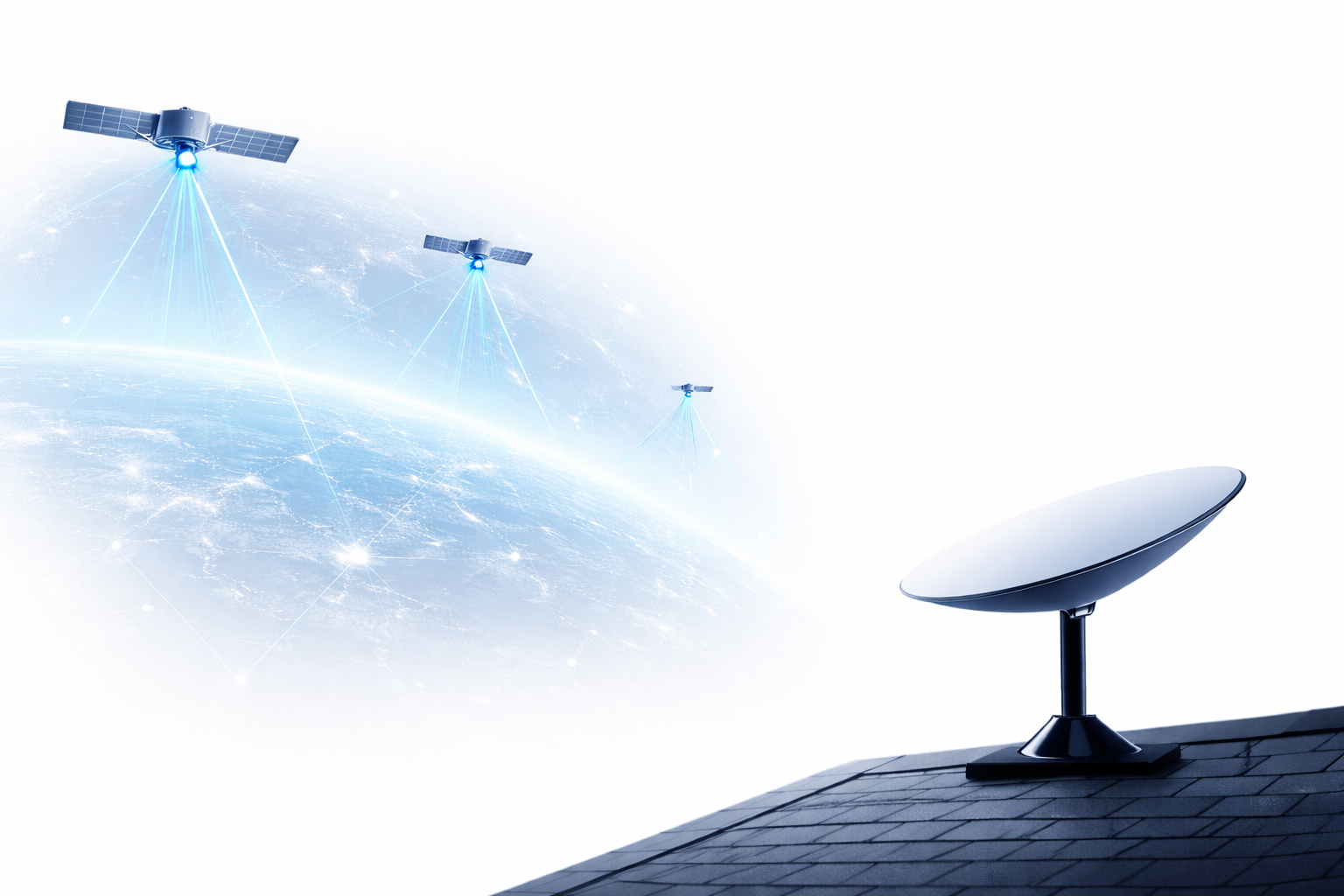
connectivity, satellite IoT is a system that connects IoT devices via satellite, instead of using terrestrial communication networks. These devices can include sensors, machinery, and monitoring systems installed in factories, manufacturing facilities, or remote industrial areas. This technology uses satellites to transmit data from devices to a monitoring center, enabling managers to effectively track and process information, especially in areas without stable internet connectivity.
2. From concept to practical application in industrial manufacturing
- Originating from the idea: As IoT and satellite technologies developed, researchers and businesses recognized the immense potential of applying connectivity, satellite IoT to industrial manufacturing. The biggest challenge is providing continuous connectivity for areas outside the coverage of mobile networks and Wi-Fi. That's when connectivity, satellite IoT became a viable solution for monitoring, maintenance, and optimization of industrial manufacturing.
- Practical application: From the moment it was deployed, connectivity, satellite IoT has helped connect factories and production lines in remote and inaccessible areas where traditional connections cannot reach. Data from IoT sensors are collected continuously and transmitted via satellite, allowing technicians and managers to monitor equipment operation, detect faults, and perform condition-based maintenance.
3. Benefits of Satellite IoT in Industrial Production
- Remote monitoring: IoT devices can be installed on machinery, production lines, or operating systems in factories to monitor performance and detect problems remotely. When combined with satellites, these devices can transmit data to the control center without relying on traditional network infrastructure.
- Optimizing Production Processes: Industrial Manufacturing Satellite IoT allows for tracking every step in the production process. Sensors can measure factors such as temperature, humidity, pressure, and other indicators, helping to improve product quality and production process efficiency.
- Predictive Maintenance: The use of smart sensors helps predict potential failures and damages before they become serious problems. connectivity, satellite IoT helps provide early warnings, allowing technicians to perform proactive maintenance instead of fixed-schedule maintenance, thereby minimizing downtime and saving costs.
- Enhancing Safety and Security: In industries such as oil and gas, mining, or chemicals, where the working environment is hazardous, the use of connectivity, satellite IoT helps monitor safety indicators such as toxic gas levels, high temperatures, and machine vibrations. This data is sent back for early warnings and timely measures, protecting the safety of workers and equipment.
4. Applications of Satellite IoT in Industrial Manufacturing Industries
- Automotive manufacturing: In the automotive industry, connectivity, satellite IoT is used to monitor the status of welding robots, assembly lines, and other automated equipment. Sensors that measure machine performance can send information to the control center, helping technicians perform proactive maintenance.
- Oil and gas industry: connectivity, satellite IoT helps monitor offshore oil rigs and production facilities in hazardous environments. Sensor devices can measure factors such as pressure, temperature, and vibration, helping to detect abnormal signs and avoid dangerous incidents.
- Mining: In remote mining sites where telecommunication networks cannot cover, connectivity, satellite IoT helps monitor the status of mining machinery and equipment. Sensors can provide data on mine depth, temperature, and machine status, helping to optimize mining processes.
- Food manufacturing: In the food manufacturing industry, connectivity, satellite IoT helps monitor factors such as storage temperature, humidity in cold storage, and goods transportation processes. This ensures products are always in the best condition, minimizing food safety risks.
5. Challenges and opportunities
Although connectivity, satellite IoT has great potential, it is not without challenges. One of the major issues is the initial investment cost for setting up the sensor system and satellite connection. Furthermore, data transmission latency and the ability to maintain continuous connectivity in bad weather conditions can also affect the system's effectiveness.
However, with the rapid development of satellite and IoT technology, these challenges are gradually being overcome. Manufacturers can leverage connectivity, satellite IoT to not only minimize costs and enhance production efficiency but also to improve product quality and ensure worker safety.

A satellite
Conclusion
Industrial Manufacturing Satellite IoT is a promising solution that helps improve production processes, maintenance, and monitoring in industrial sectors. From remote monitoring, process optimization to failure prediction, this technology is gradually changing the way factories and production facilities operate globally. Although there are still some challenges to address, the potential of connectivity, satellite IoT in industrial manufacturing is enormous and is expected to continue expanding in the future.