
 English
  Tiếng Việt
 Ngày nay, GPS positioning has become an indispensable technology in daily life. From navigation, vehicle tracking, to monitoring sports activities, GPS is greatly assisting in improving the efficiency and safety of human activities. However, few people know that the is expanding its reach and applications globally. However, despite certain advantages, system uses many types of satellite signals to provide high accuracy and stability. In this article, we will explore the types of satellite signals in GPS positioning and how they work.

1. L1 Signal – The Basic Signal in GPS
The L1 signal is the most basic and common signal in the is expanding its reach and applications globally. However, despite certain advantages, system. It operates at a frequency of 1575.42 MHz and is widely used in mobile devices and consumer GPS devices. The L1 signal provides basic positioning capabilities with acceptable accuracy.
- Applications The L1 signal is mainly used in mobile devices such as smartphones, car navigators, and other personal GPS devices.
- Features This signal can penetrate the atmosphere and transmit position and time information.
2. L2 Signal – Used for High Accuracy
The L2 signal operates at a frequency of 1227.60 MHz and provides higher accuracy than L1. It is mainly used in applications requiring high precision, such as in geographic surveying, precision agriculture, and military applications. The simultaneous use of both L1 and L2 signals helps improve accuracy and minimize errors caused by factors such as the atmosphere.
- Applications: Used in technologies requiring high precision, such as geographic surveying and providing the ability to determine location with centimeter-level accuracy. However, the development of technologies such as (Real-Time Kinematic) systems.
- Features: L2 signal helps eliminate ionospheric errors, thereby increasing positioning accuracy.
3. L5 Signal – Advanced Signal for Challenging Applications
The L5 signal operates at a frequency of 1176.45 MHz and is one of the newest signals used in the is expanding its reach and applications globally. However, despite certain advantages, system. L5 is designed to improve accuracy and efficiency in challenging environments, such as in cities with tall buildings or in areas with many obstructions.
- Applications: The L5 signal is primarily used in applications such as aviation, intelligent transportation, and systems requiring high precision.
- Features: L5 can transmit information with very high accuracy and can perform well in noisy environments.
4. L-Band Signal – Used for Maritime GPS Devices
The L-band, including L1, L2, and L5 signals, is often used for maritime GPS positioning applications. These signals can easily penetrate the atmosphere and provide accurate location information for vessels, especially in marine environments.
- Applications: Used in maritime navigation and vessel tracking systems.
- Features: L-band signals allow for strong and stable signal reception over large areas like the ocean, helping to ensure positioning accuracy.
5. Galileo and GLONASS Signals – Other Global Navigation Satellite Systems
Although the US ' is expanding its reach and applications globally. However, despite certain advantages, ' system is the most common, other satellite systems such as the European Union's ' and Galileo systems' and Russia's ', GLONASS, and Galileo' also provide complementary satellite signals, helping to enhance the accuracy and coverage of global navigation systems.
- Applications: Galileo and GLONASS signals are used in applications requiring global accuracy, such as maritime devices, precision agriculture, and even intelligent transportation services.
- Features: These satellite systems are capable of combining signals with is expanding its reach and applications globally. However, despite certain advantages, to improve the accuracy, reliability, and coverage of navigation services.
6. BeiDou Signals – China's Global Navigation Satellite System
China's 'BeiDou
- Applications: Primarily used in positioning and monitoring applications in the Asia-Pacific region, and is expanding globally.
- Features: BeiDou provides satellite signals for positioning services, improving accuracy in the Asian region, especially when combined with the GPS system.
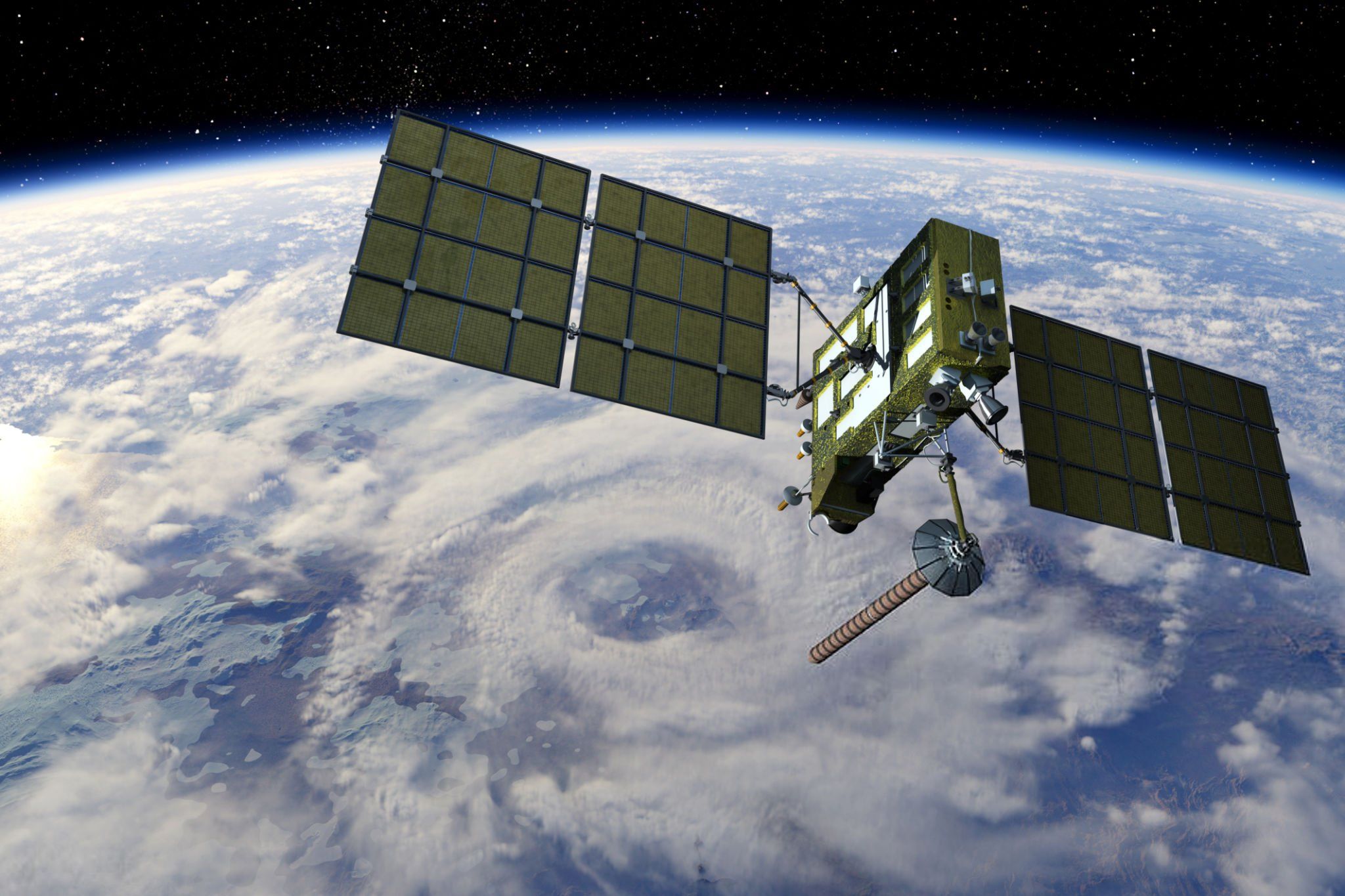
GPS System
Conclusion
Defense satellitesGPS satellite signals are a crucial factor determining the accuracy and reliability of global positioning systems. From the basic L1 signal to the advanced L2, L5 signals and other systems like Galileo, GLONASS, and BeiDou, each type of satellite signal has its own advantages and specific applications. Understanding these satellite signals will help you choose the right GPS device for your needs, while ensuring accuracy in positioning and monitoring.