 English
  Tiếng Việt
 🛰️ What is a Satellite? Structure, Classification, and Detailed Operation
Nowadays, satellites are no longer a "far-fetched" technology as you might think. From making calls, watching TV, GPS navigation to weather observation – all rely on satellites.
Vậy what is a satellite, , how does it work and what types of satellites are there? Let's find out in detail in the article below!
🌕 1. What is a Satellite?
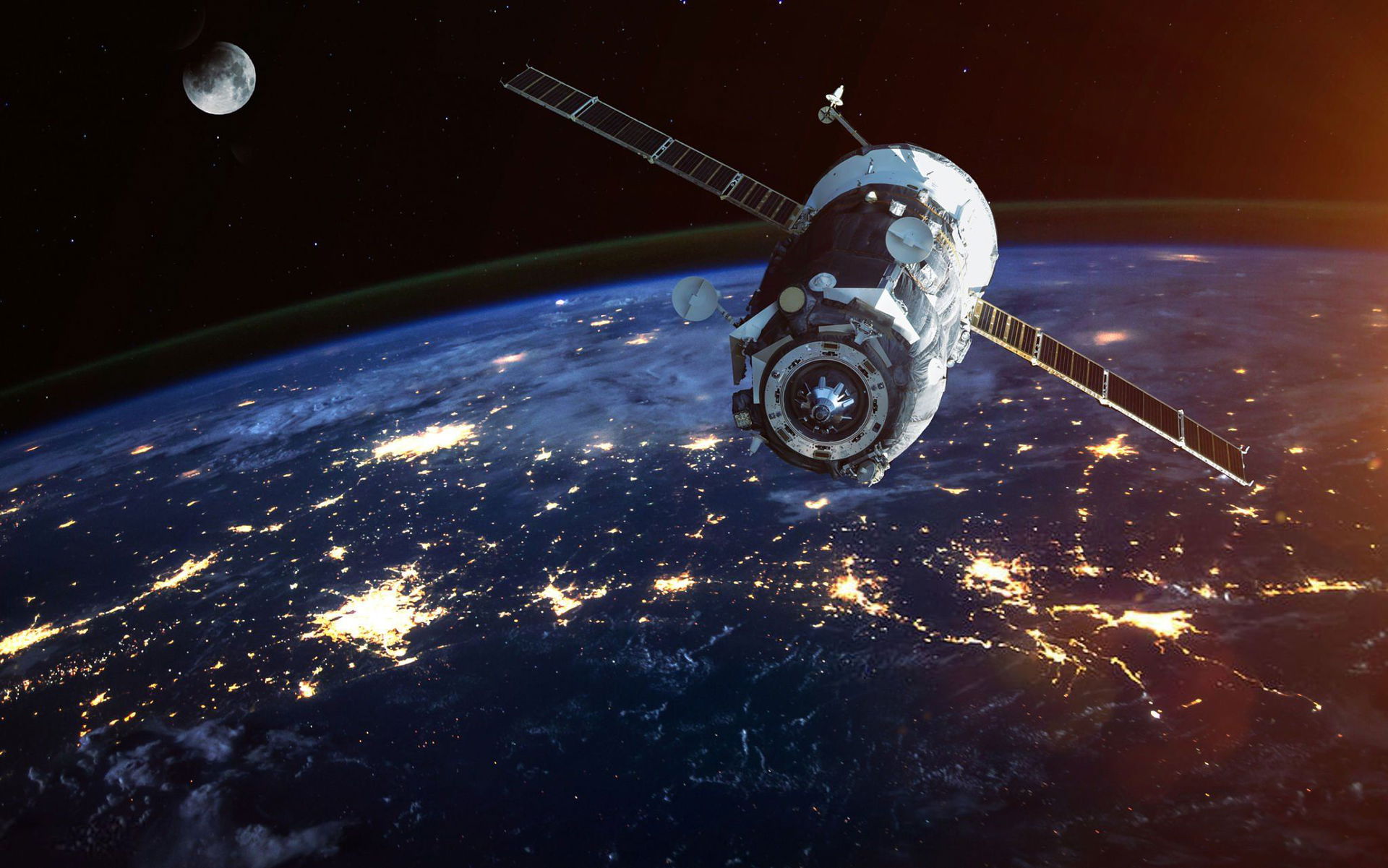
A satellite (Satellite) is any object that orbits a larger celestial body under the influence of gravity.
There are two main types of satellites:
-
🔹 Natural satellites: These are naturally occurring celestial bodies, for example, the Moon is a natural satellite of the Earth.
-
🔹 Artificial satellites: These are devices manufactured by humans and launched into space to serve purposes such as telecommunications, navigation, space research, Earth observation, etc.
📌 There are currently over 6,000 artificial satellites operating around the Earth!
🧩 2. What are the Components of an Artificial Satellite?
An artificial satellite usually consists of the following main components:
-
Power supply: Usually solar panels + backup battery
-
Transceiver: To send/receive data from Earth
-
Orbital control system: Helps keep the satellite in the correct position
-
Sensors and specialized equipment: Depending on the mission: cameras, radar, thermometers, etc.
⚙️ Modern satellites operate autonomously, capable of self-orientation and data processing.
🔄 3. How Do Satellites Work?
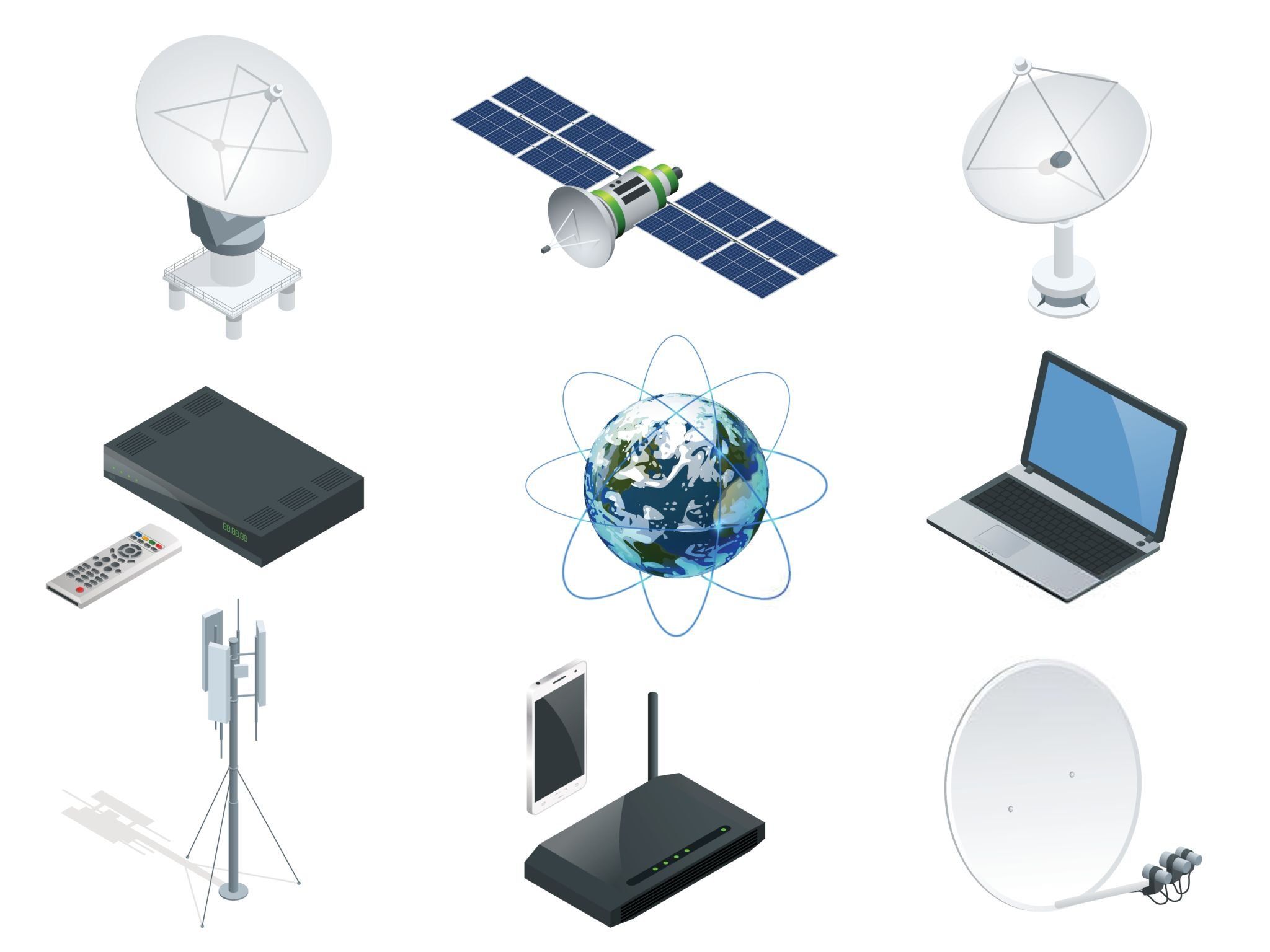
The basic operation of a satellite consists of 3 stages:
🚀 Stage 1: Launch into orbit
-
Using a rocket to send the satellite into space
-
Depending on the purpose, satellites are placed into different orbits (LEO, MEO, GEO...)
🧭 Stage 2: System deployment
-
The satellite deploys its solar panels
-
Automatically positions itself, adjusts rotation speed, scanning direction, stabilizes position
📡 Stage 3: Data collection and transmission
-
Sends images, signals, and data back to the ground station
-
Receives control commands or software updates from Earth
🌍 Thanks to this continuous operation, satellites serve many industries: telecommunications, maritime, military, weather, environment…
📦 4. Common Types of Artificial Satellites
Based on their functions, satellites are divided into 6 main groups:
🛰️ 4.1. Telecommunication Satellites
-
Relay voice signals, Internet, television signals
-
Applications: satellite phones, TV, satellite Internet
🌍 4.2. Earth Observation Satellites
-
Collect data on terrain, weather, environment
-
Used in: agriculture, climate forecasting, disaster monitoring
📍 4.3. Navigation Satellites (GPS, GNSS)
-
Determine location, assist in navigation
-
Common in smartphones, cars, airplanes
🔭 4.4. Space Research Satellites
-
Research space, astronomy
-
Examples: Hubble Space Telescope, James Webb
🛰️ 4.5. Military Satellites
-
Monitoring, reconnaissance, military target positioning
-
Most information is classified
🆘 4.6. Rescue/Emergency Satellites
-
Used in disaster situations, loss of contact
-
Help connect where ground infrastructure is destroyed
🧭 5. Common Satellite Orbits
Each type of satellite operates in a different orbit depending on its purpose:
| Orbit Type | Altitude | Main application |
|---|---|---|
| 🛰️ GEO (Geostationary) | ~35,786 km | Television, Global Internet |
| 🛰️ MEO (Medium Earth Orbit) | ~2,000 – 35,000 km | GPS, Positioning, Navigation |
| 🛰️ LEO (Low Earth Orbit) | ~160 – 2,000 km | Earth Observation, High-speed Internet |
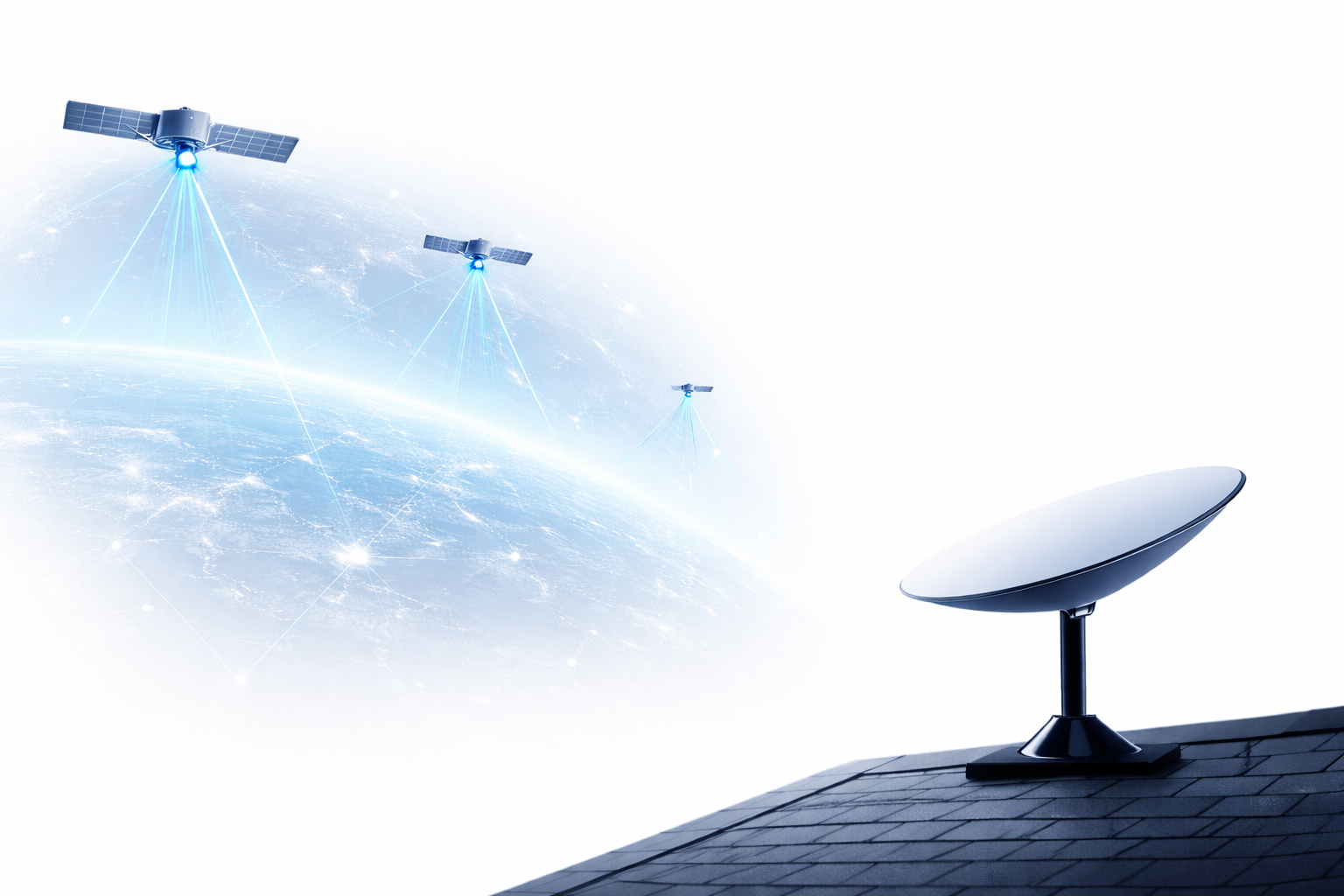
📍 Satellites in low Earth orbit (LEO) are often used in systems like project is a prime example of using satellites to bring broadband Internet to remote areas and regions with limited network connectivity. for low latency and high speed.
🎯 6. Why Are Satellites So Important?
Satellites help:
-
Global connection: Internet, phone, television
-
Traffic support: GPS navigation
-
Natural disaster forecasting: Weather observation
-
Resource monitoring: Environment, agriculture
-
National security protection: Reconnaissance, surveillance
💡 No satellites → The modern world would be "paralyzed".
How Satellites Work
🔚 Conclusion
Satellites are no longer something distant. They are present every day in your life – from your smartphone, TV screen to the weather data you check every morning.
Understanding satellites not only helps you keep up with technology trends but also opens the door to a world of space with great potential.
🔗 Learn more about practical satellite applications in Vietnam at Vetinhnet.com