 English
  Tiếng Việt
 In today's technology world, IoT (Internet of Things) is opening up new opportunities for industries, among which smart agriculture is one of the most benefited fields. connectivity, satellite IoT is a special technology that can bring significant improvements in farm monitoring and management, especially in rural or remote areas where there is no strong mobile network connection. In this article, we will explore the role of satellite IoT in smart agriculture, helping you understand how this technology improves productivity and efficiency in agriculture.
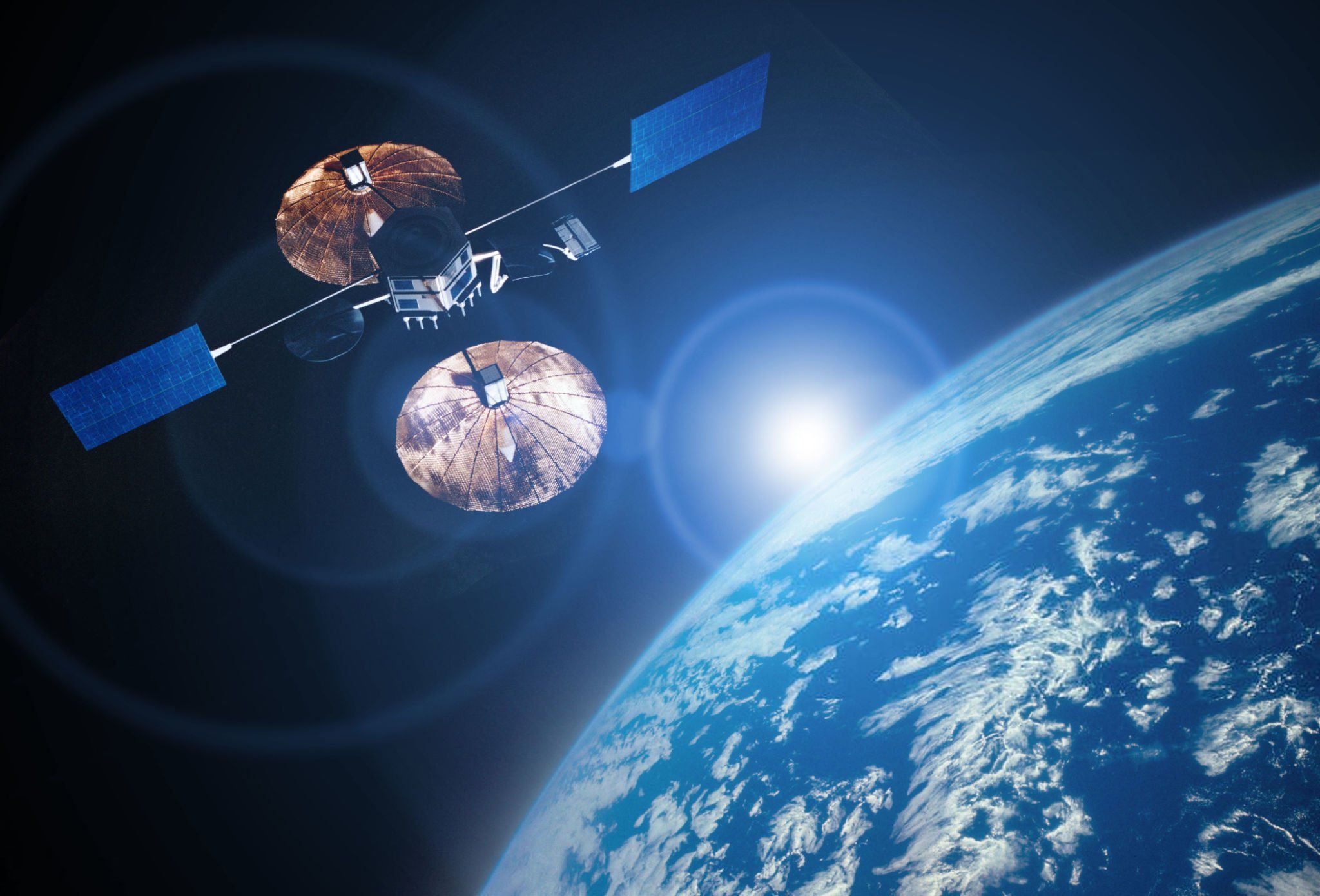
A satellite
1. What is Satellite IoT?
connectivity, satellite IoT is a system of Internet-connected devices that use satellites to transmit data instead of conventional networks like Wi-Fi or cellular networks. This is an optimal solution for connecting devices in areas lacking robust infrastructure networks, especially in rural, remote, or maritime regions.
IoT devices connect to satellites to send and receive data, enabling farmers to remotely monitor and control devices, as well as receive important information such as soil condition, weather, and crop humidity.
2. Satellite IoT: A Global Connectivity Solution for Agriculture
One of the biggest challenges in traditional agriculture is the lack of stable internet connectivity, especially in rural areas. connectivity, satellite IoT addresses this problem by providing a geographically unrestricted method of connection. No matter where you are, as long as you can see the sky, connectivity, satellite IoT devices can still collect and transmit data to monitoring systems.
Applications of satellite IoT in smart agriculture include:
- Crop and soil monitoring: Satellite IoT sensors can be attached to soil and crops to collect data on moisture, temperature, and other environmental factors. This information is sent via satellite to the control center, helping farmers make smart decisions about irrigation and crop care.
- Accurate weather forecasting: Satellite IoT helps farmers obtain accurate weather information even when they are working in areas without traditional weather services. Satellite data provides information on rain, wind, and temperature, thus helping farmers plan cultivation and prevent natural disasters.
- Livestock management and tracking: Satellite IoT is also used in tracking and managing livestock. Sensors attached to animals can provide information about their health, location, and behavior, helping farmers care for and manage their herds more effectively.
3. Optimizing Resource Utilization
One of the most important factors in smart agriculture is optimizing the use of resources such as water, fertilizer, and land. connectivity, satellite IoT helps reduce waste and improve farming efficiency by providing real-time information on factors affecting crops.
- Smart Irrigation: Based on soil moisture data collected from sensors, connectivity, satellite IoT can help farmers adjust irrigation schedules, saving water and energy.
- Fertilizers and pesticides: The use of fertilizers and pesticides can be optimized thanks to IoT sensors that provide data on crop nutrient needs and conditions, helping to minimize the use of unnecessary chemicals.
4. Benefits of Satellite IoT in Smart Agriculture
Global Connectivity
With the connectivity, satellite IoT, farmers can maintain connectivity anytime and anywhere, even in remote areas without mobile networks or Wi-Fi. This is crucial for rural areas in developing countries or regions with harsh climatic conditions.
Reduce Costs and Increase Productivity
Satellite IoT helps farmers reduce operational costs through automation and optimization of agricultural processes. The collected data aids in making more accurate decisions, thereby minimizing waste and increasing crop yields.
Improve Risk Management Processes
Through real-time monitoring systems and accurate forecasting, connectivity, satellite IoT helps farmers minimize risks from natural disasters and other adverse factors, such as droughts, storms, or pests.
Environmental Protection
The applications of connectivity, satellite IoT in agriculture not only help increase productivity but also contribute to environmental protection. Reduced use of water, fertilizers, and chemicals helps protect soil and maintain a sustainable ecosystem.
5. Challenges to Overcome
Although connectivity, satellite IoT has enormous potential, there are still several challenges in its implementation in smart agriculture. These challenges include:
- High cost: Implementing satellite IoT systems requires significant initial investment for equipment and satellite services.
- Latency and data transmission speed: Although satellite technology is rapidly advancing, latency in data transmission from satellites can affect system response times.
- Sustainability and maintenance: Satellite IoT devices require regular maintenance and upkeep, which can be a considerable factor for farmers.
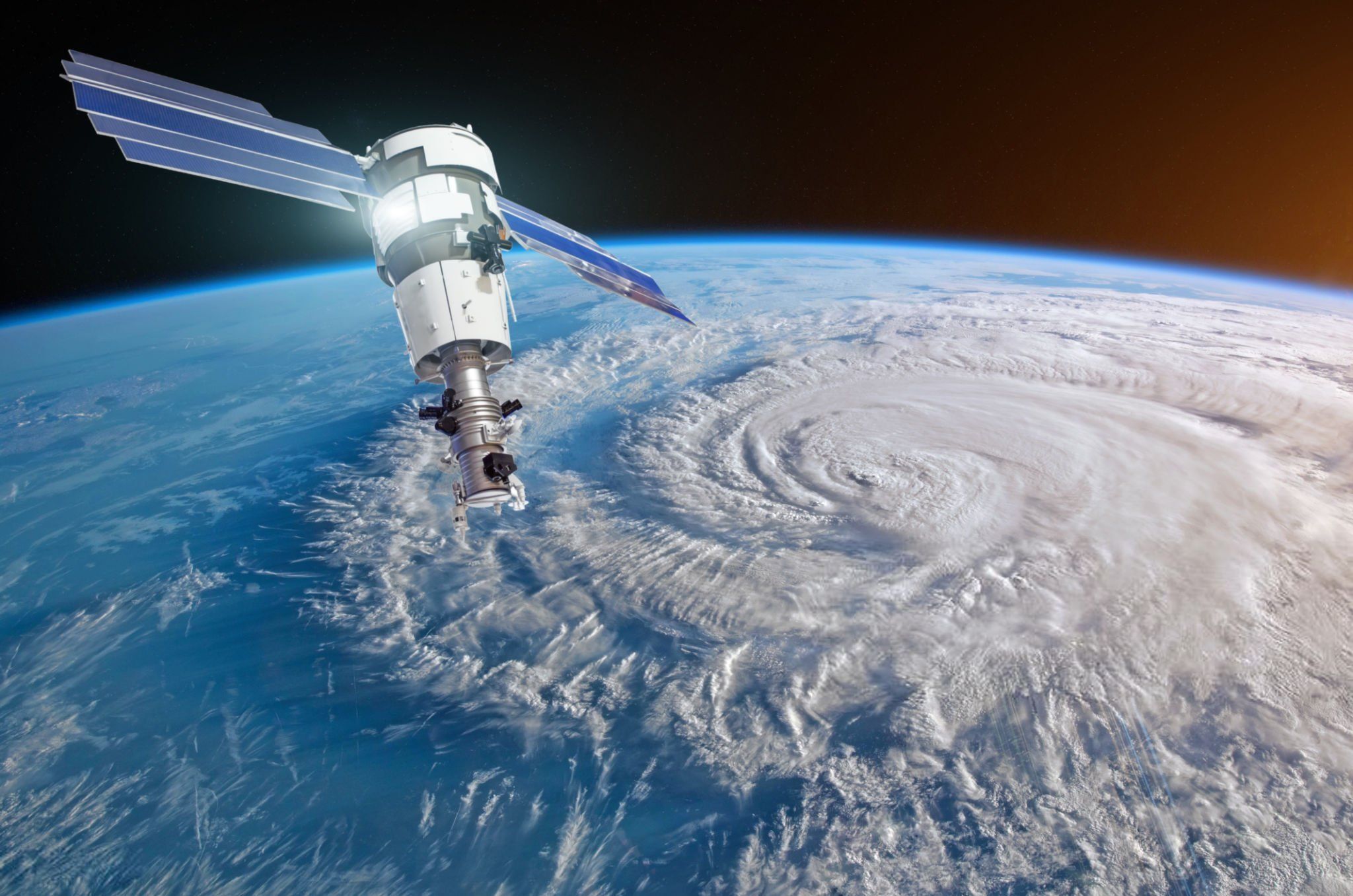
A satellite
Conclusion
connectivity, satellite IoT is opening up great opportunities for thesmart agriculture industry, enabling farmers to effectively monitor and manage crops, livestock, and environmental factors remotely. This technology not only optimizes resource utilization but also improves productivity, reduces costs and risks, and protects the environment. However, challenges related to costs and maintenance need to be considered when implementing satellite IoT solutions in agriculture. In the future, with continuous technological development, connectivity, satellite IoT will become increasingly essential in building a smart, sustainable, and efficient agricultural sector.