 English
  Tiếng Việt
 Satellites are important tools that help us communicate, monitor the weather, provide GPS services, and perform many other tasks in space. However, a question that many people still wonder is: Why don't satellites fall to Earth? In this article, we will explain the principle of how satellite fall and the mechanisms that help them maintain stable orbits in space..
Satellite Orbits
1. Satellites and Satellite Orbits
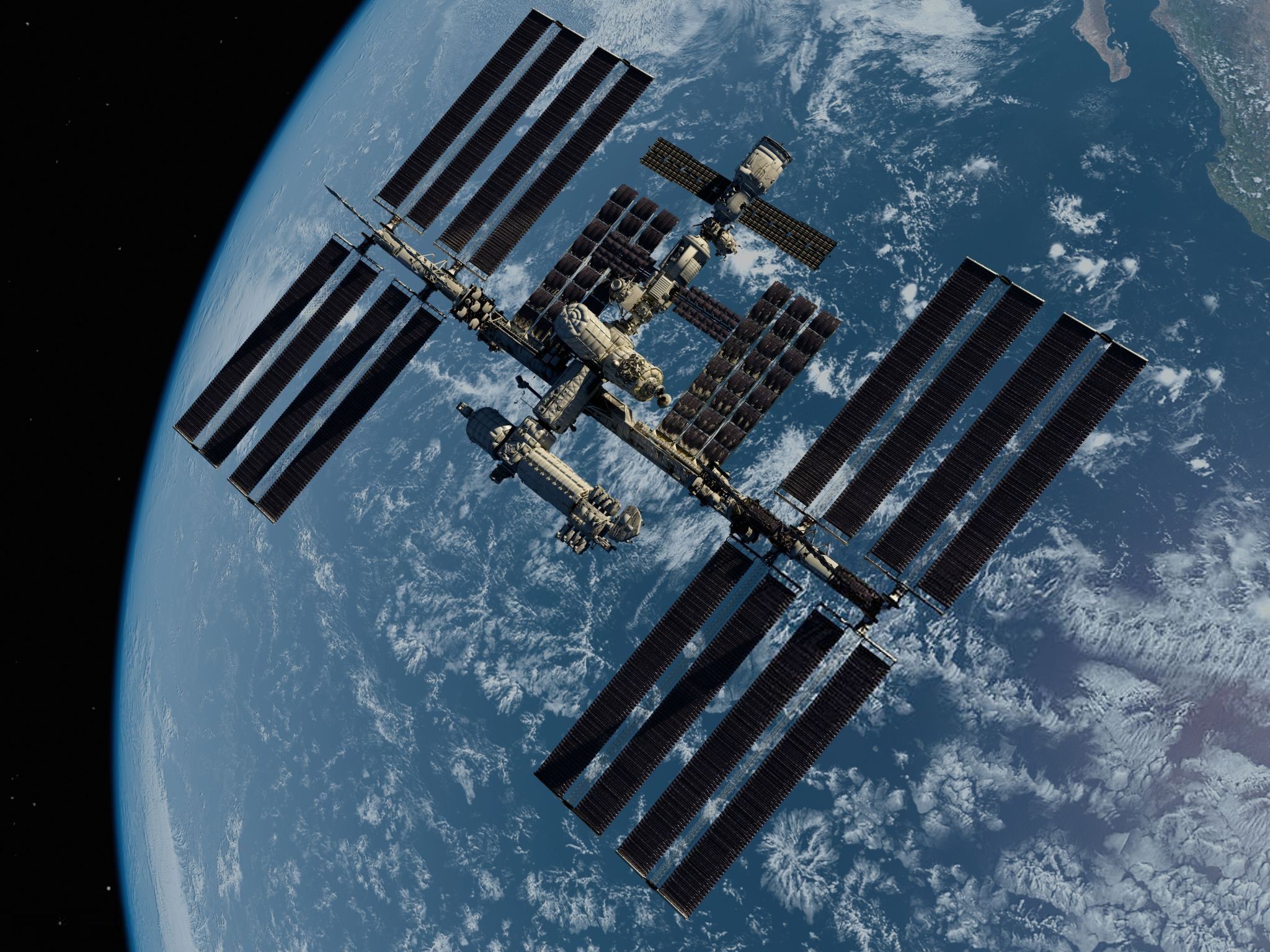
To understand why satellites don't fall to Earth, we need to grasp the concept of satellite orbit. A satellite orbit is the path a satellite takes around a planet or star, like Earth. Satellites don't simply "fly" in space; they move in a specific orbit, influenced by gravity and inertia.
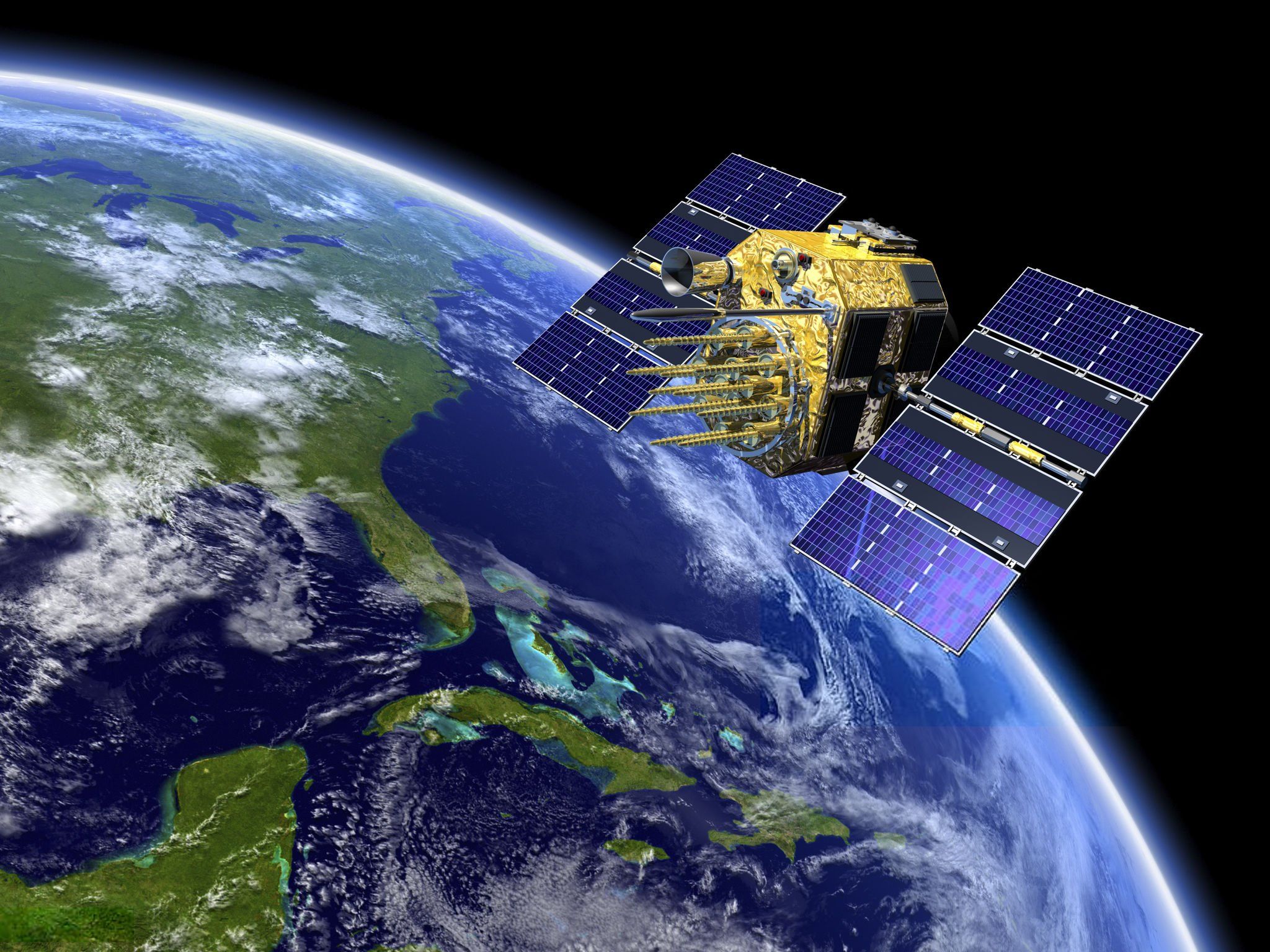
Satellites are launched into space at extremely high speeds (around 28,000 km/h for Earth satellites). This inertia helps the satellite move along its orbit, while Earth's gravity pulls it down. However, if the satellite's speed is high enough, it will not fall to Earth but will instead continue to move around the planet in a stable orbit.
2. Gravity and Inertia
One of the main factors that prevent satellites from falling to Earth is the balance between gravity and inertia. Gravity is the Earth's pull, which causes all objects on Earth's surface (including satellites) to be pulled towards the center of the planet. Inertia, on the other hand, is the force an object experiences when moving at a high speed.
When a satellite is launched into space, it begins to move at a speed great enough to "overcome" Earth's gravity. However, because the satellite does not move in a straight line but in an orbit around the planet, it will continue to fall towards Earth but will be "spun" around the planet instead of hitting the surface.
3. Satellite Orbits and Types of Orbits
There are many types of orbits that satellites can enter, and the satellite's speed will vary depending on its altitude and purpose:
- Low Earth Orbit (LEO): Satellites in this orbit fly at altitudes from 160 km to 2,000 km above the ground. This orbit is used for Earth observation satellites, space research, and telecommunication services.
- Medium Earth Orbit (MEO): GPS satellites are usually in this orbit, with altitudes ranging from 2,000 km to 35,786 km.
- Geostationary Orbit (GEO): This is a special orbit where the satellite flies at an altitude of about 35,786 km, synchronized with the Earth's rotation. Satellites in this orbit remain stationary relative to a point on the ground and are used for telecommunication, television, and meteorology services.
Depending on the type of orbit, satellites move at different speeds to maintain stability without falling to Earth.
4. Why Don't Satellites Fall After a Long Time?
Vệ tinh không rơi xuống Trái Đất ngay cả sau một thời gian dài vì chúng duy trì một stable orbit. Tuy nhiên, không phải tất cả các vệ tinh đều tồn tại mãi mãi. Những vệ tinh trong low Earth orbit (LEO) có thể sẽ dần bị mất độ cao và rơi xuống Trái Đất do sự ma sát nhẹ với các phân tử khí trong khí quyển. Khi đó, vệ tinh sẽ dần giảm tốc độ và cuối cùng rơi vào khí quyển, nơi chúng sẽ bị đốt cháy trước khi chạm mặt đất.
Vệ tinh trong high orbit (GEO) thường có quỹ đạo rất ổn định và ít bị ảnh hưởng bởi khí quyển, vì vậy chúng có thể duy trì quỹ đạo của mình trong nhiều năm.
5. The Role of Satellite Control Systems
Mặc dù các lực hấp dẫn và quán tính giúp vệ tinh duy trì quỹ đạo ổn định, nhưng các vệ tinh hiện đại thường được trang bị orbital control system. This system uses small thrusters to adjust the satellite's orbit when necessary, helping them maintain precise positions and avoid orbital deviations.
Satellite orbiting the Earth
6. Conclusion
So why doesn't a satellite fall down to Earth? The main reason is the balance between gravity and inertia as the satellite moves in satellite orbit. This combination helps the satellite not be pulled towards Earth but continue to orbit the planet in a stable trajectory. Although satellites can be affected by factors such as atmospheric friction, with modern orbital control technology, satellites can operate in space for a long time without worrying about falling.