 English
  Tiếng Việt
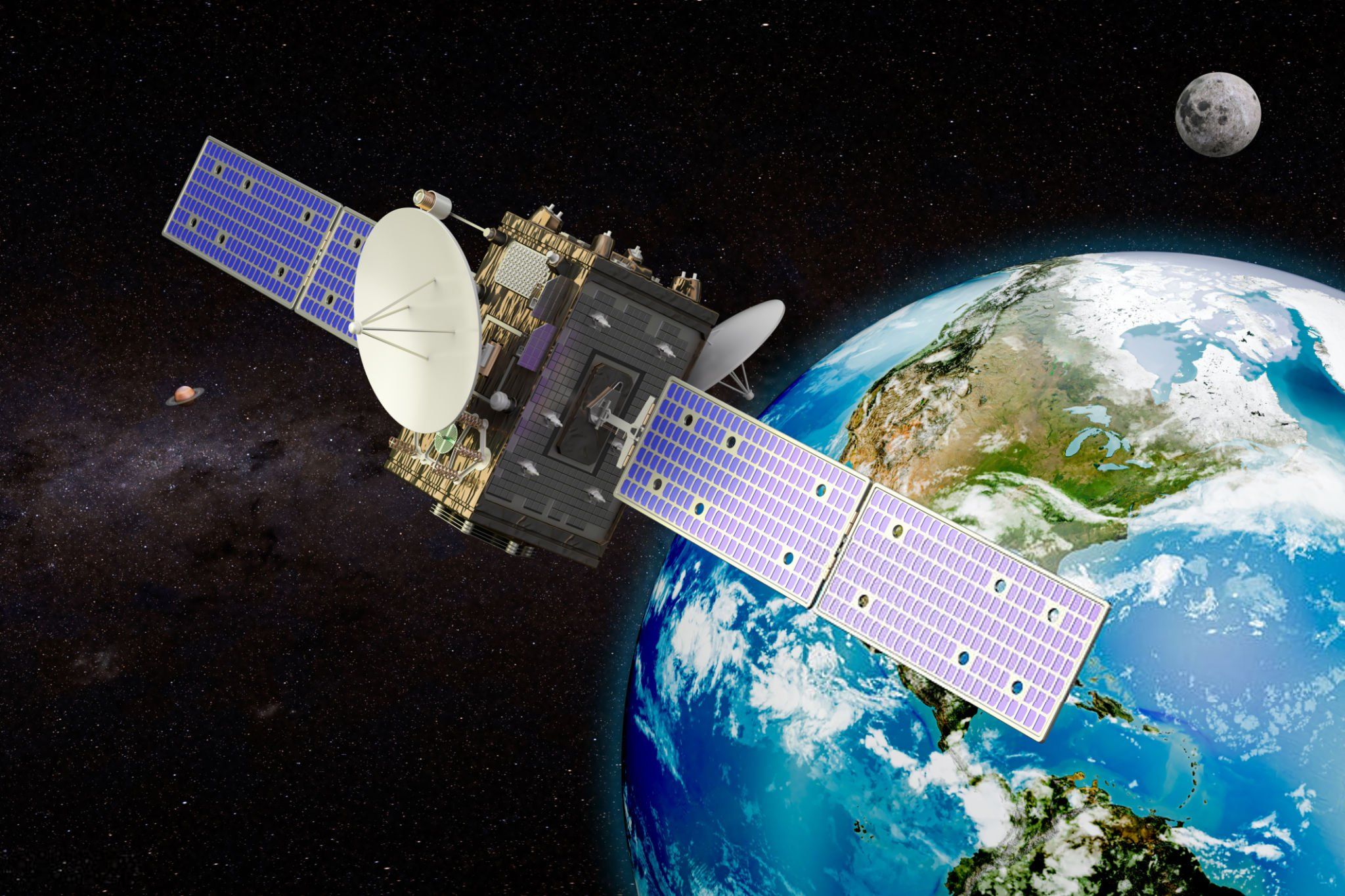
 Satellites orbiting Earth'shave become an indispensable part of modern life. They play a crucial role in many fields such as telecommunications, weather forecasting, climate research, and national security. However, a frequently asked question is: “How manyEarth satellitesare operating today?” In this article, we will explorenumber of satellites available, the types of satellites, and the development of satellite technology in recent years.
Satellites Orbiting Earth
1. Number of Satellites Orbiting Earth
As of 2024, over 8,000 satellites have been launched into orbit around Earth's. However, not all of these satellites are currently operational. According to statistics from the International Telecommunication Union (ITU) and space organizations, there are currently only about 4,500 satellites operating in Earth's orbit, serving various purposes, from telecommunications to climate research, national security, and military applications.
The number of operational satellites can change over time as satellite technology continues to advance and satellite launches become easier and more cost-effective, thanks to the contributions of private companies such as SpaceX, Blue Origin, and Rocket Lab.
2. Types of Satellites Orbiting Earth
Earth Satellite can be divided into different types based on their purpose and the orbit they follow around our planet. Here are some main types of satellites:
- Telecommunication Satellites: These are the most common type of satellites, serving communication purposes such as telephony, television, and internet. These satellites are usually placed in a geostationary orbit, helping to maintain stable communication with areas on the ground.
- Weather Forecasting Satellites: These satellites are launched to observe weather and climate phenomena, helping to predict weather more accurately and monitor natural disasters such as storms, floods, or forest fires.
- Navigation Satellites (GPS): Systems like GPS (Global Positioning System) or Galileo, GLONASS help accurately determine locations on the ground. These satellites play an extremely important role in transportation, logistics, and other technological applications.
- Earth Observation Satellites: Used to monitor the environment, natural resources, and changes on the Earth's surface such as urbanization, agriculture, and forests.
- Military and Security Satellites: These satellites are used to monitor the security situation, serving national defense and intelligence missions.
3. Development of Satellite Technology
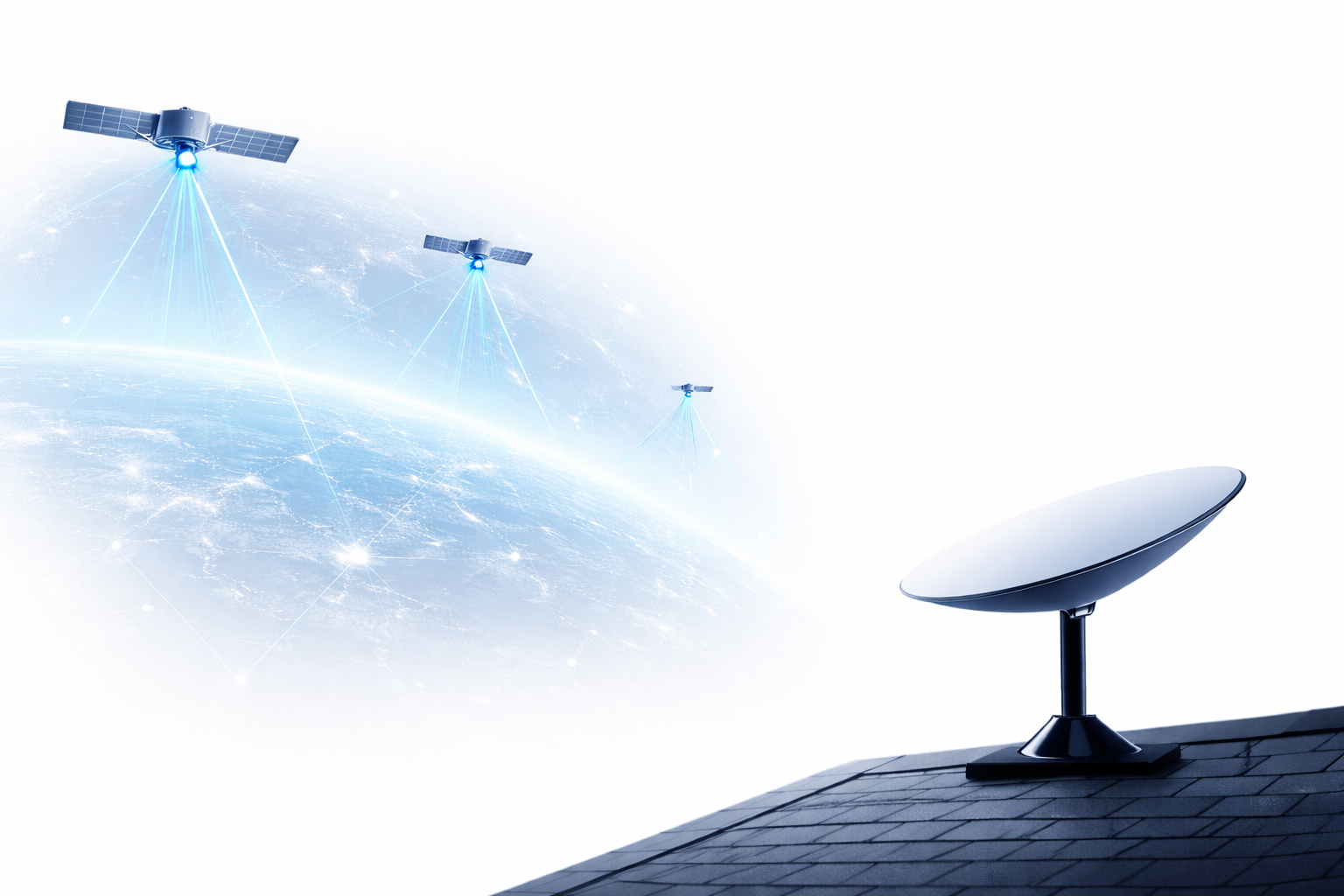
In the past few decades, the number of Earth satellites has increased rapidly thanks to technological advancements. Private companies, especially SpaceX, have made launching satellites cheaper and easier. For example, SpaceX has developed the project is a prime example of using satellites to bring broadband Internet to remote areas and regions with limited network connectivity. satellite system, a network of small satellites providing broadband internet to remote areas that are not yet covered.
One of the major future trends is the increasing number of small satellites(small satellites or “smallsats”), designed to reduce launch costs and perform specific missions, such as environmental monitoring, scientific data collection, or telecommunications support. These satellites are usually small in size and are launched in clusters.
4. Orbits Of Satellites Around The Earth
Satellites can fly in different orbits depending on their mission. Common types of orbits include:
- Geostationary Orbit: Satellites in this orbit fly at an altitude of about 35,786 km and can maintain a fixed position relative to the ground. They are often used for telecommunications and meteorological satellites.
- High Earth Orbit: Satellites in this orbit fly higher and can serve applications such as earth observation and space research.
- Low Earth Orbit (LEO): This is the lowest orbit, only about 160-2,000 km from Earth. These satellites are often used for scientific research, earth observation, and navigation systems like GPS.
- Medium Earth Orbit (MEO): Satellites in this orbit, such as navigation satellite systems, fly at an altitude of about 20,000 km. This is a suitable orbit for global navigation satellite systems (GNSS).
5. The Growth In The Number Of Satellites
It is predicted that in the coming years, the number of satellites will continue to increase dramatically. Companies like SpaceX, OneWeb, and Amazon (with the Kuiper project) are undertaking projects to launch thousands of small satellites to provide global internet. This could increase the number of active satellites to tens of thousands in the near future.
Despite the increasing number of satellites, managing and maintaining space satellites remains a major challenge. Issues such as space debris and the sustainability of satellite systems will need to be addressed to ensure long-term safety and efficiency.
Earth Satellite
6. Conclusion
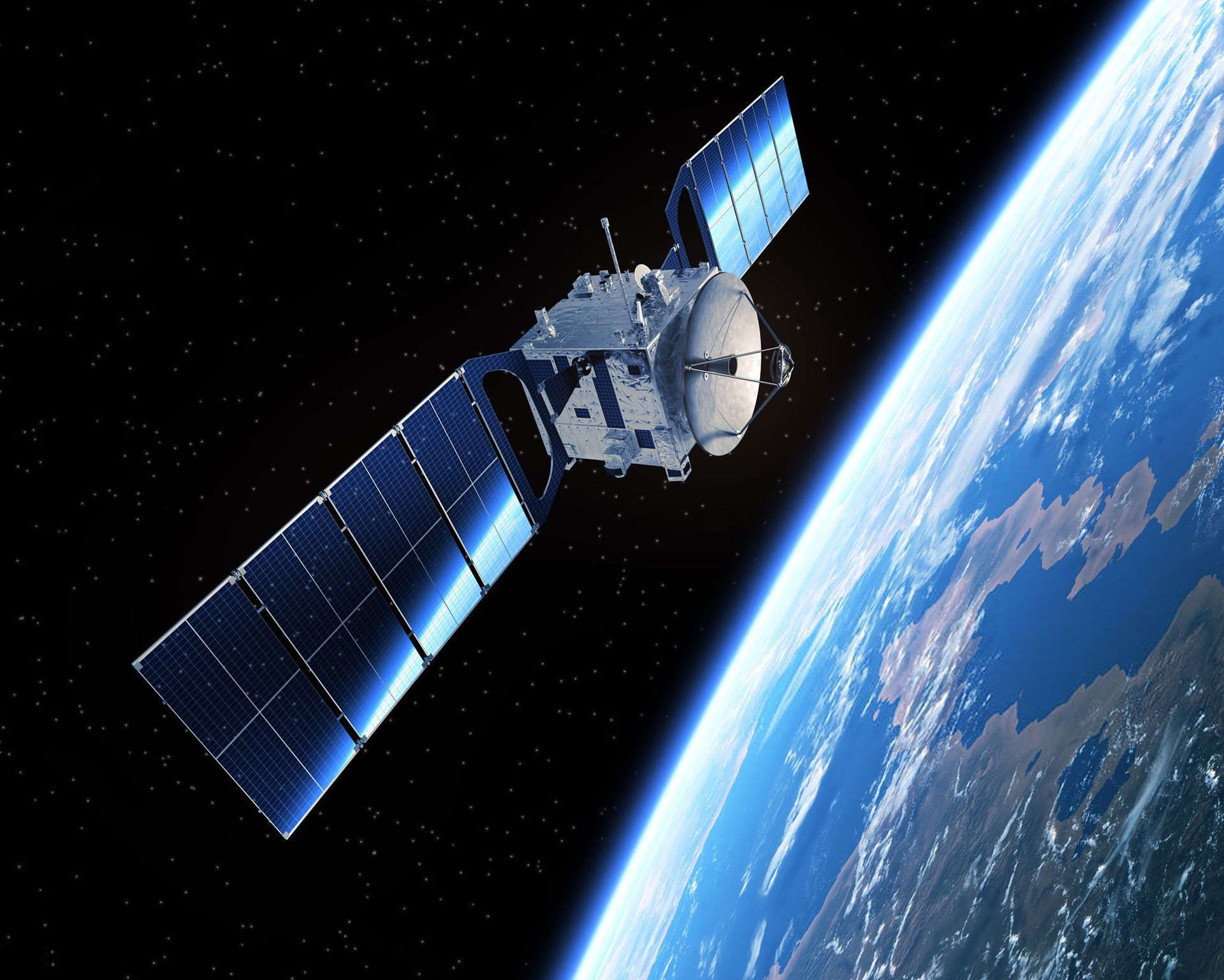
Currently, there are over 8,000 Earth satellites orbit our planet, with about 4,500 active satellites. These satellites play a crucial role in many fields, from telecommunications and weather forecasting to environmental research and defense. With the continuous development of technology, the number of satellites will continue to increase in the future, opening up new opportunities for global space applications.