 English
  Tiếng Việt
 🛰️ Artificial Satellite Manufacturing Process: From Design to Orbit Launch
Artificial satellites are an indispensable component of the space technology era. From communication, navigation, remote sensing to environmental monitoring – every field is being strongly supported by these “eyes” orbiting the Earth.
Vậy what are the steps in the manufacturing process of an artificial satellite? Let's explore the details below!
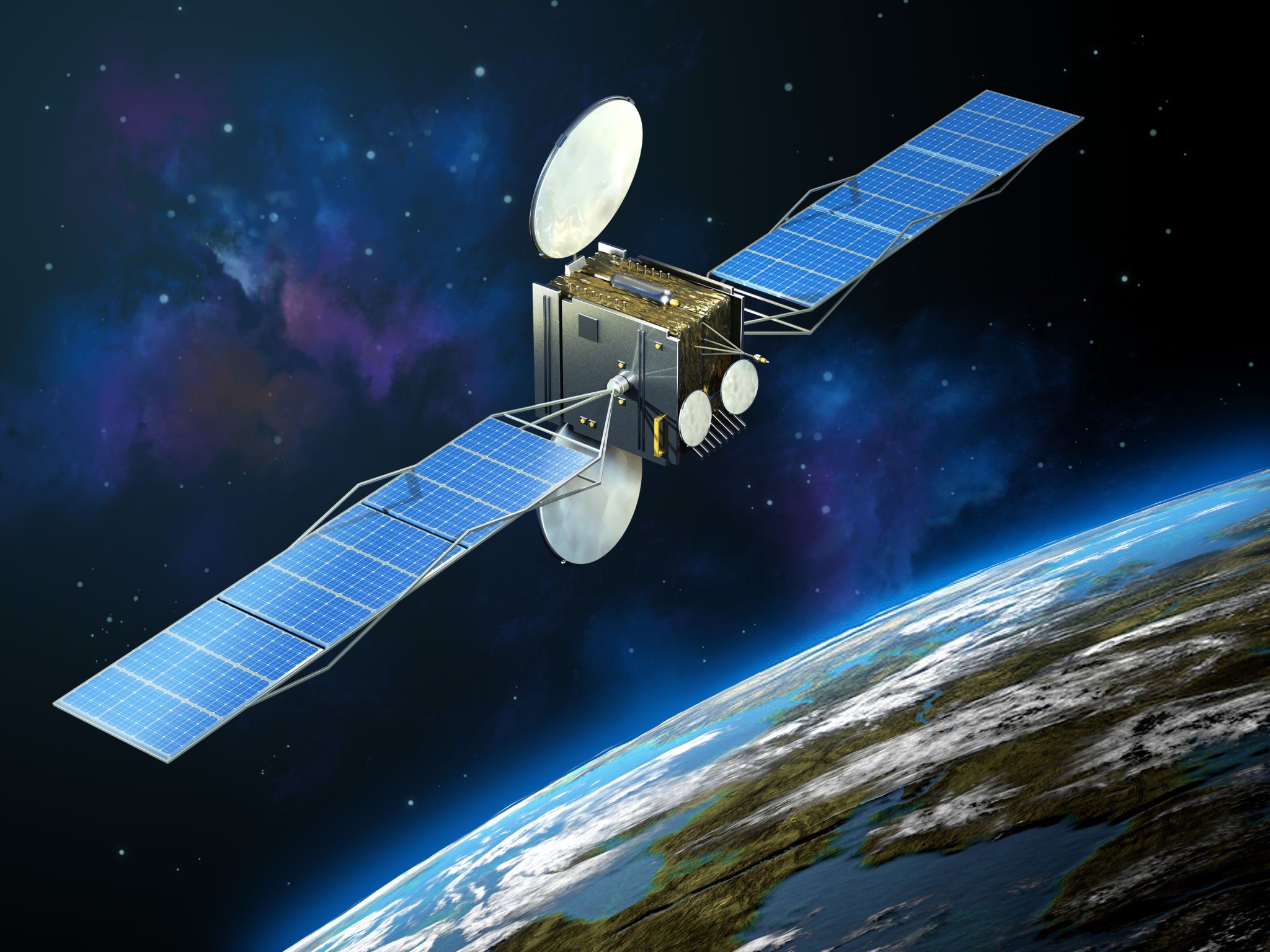
Artificial Satellite
🎯 1. Define Satellite Purpose and Mission
The first step is to define the operational objectives of the satellite, including:
-
📡 Communications Satellite: Television, Internet, satellite phone
-
🌍 Earth Observation Satellite: Remote sensing, agriculture, disaster monitoring
-
📍 Navigation Satellite: GPS, guidance, vehicle management
-
🛰️ Scientific/military satellites: Space research, space surveillance
Defining the correct mission helps the design team select the most suitable configuration.
🛠️ 2. Technical Design and Satellite Structure
After defining the function, engineers will design the structural components in detail:
🔧 Main components include:
-
Frame and protective casing: Withstands impact, temperature, and vacuum environment
-
Solar panels: Provide the main power source for the satellite
-
Navigation and stabilization system: Helps the satellite maintain its orbit
-
Specialized equipment: Sensors, radar, cameras, signal transmission devices
🎨 The design will be 3D simulated, optimizing weight and features before actual production.
🧩 3. Assembly and Component Testing
Satellite parts are manufactured individually, thenassembled at specialized facilities. Strict requirements for absolute precision:
-
🔍 Connect every circuit – sensor precisely
-
🔩 Micrometer-accurate mechanical assembly
-
🔬 Compatibility testing between systems
✅ All components must meet high technical standards for stable operation in space.
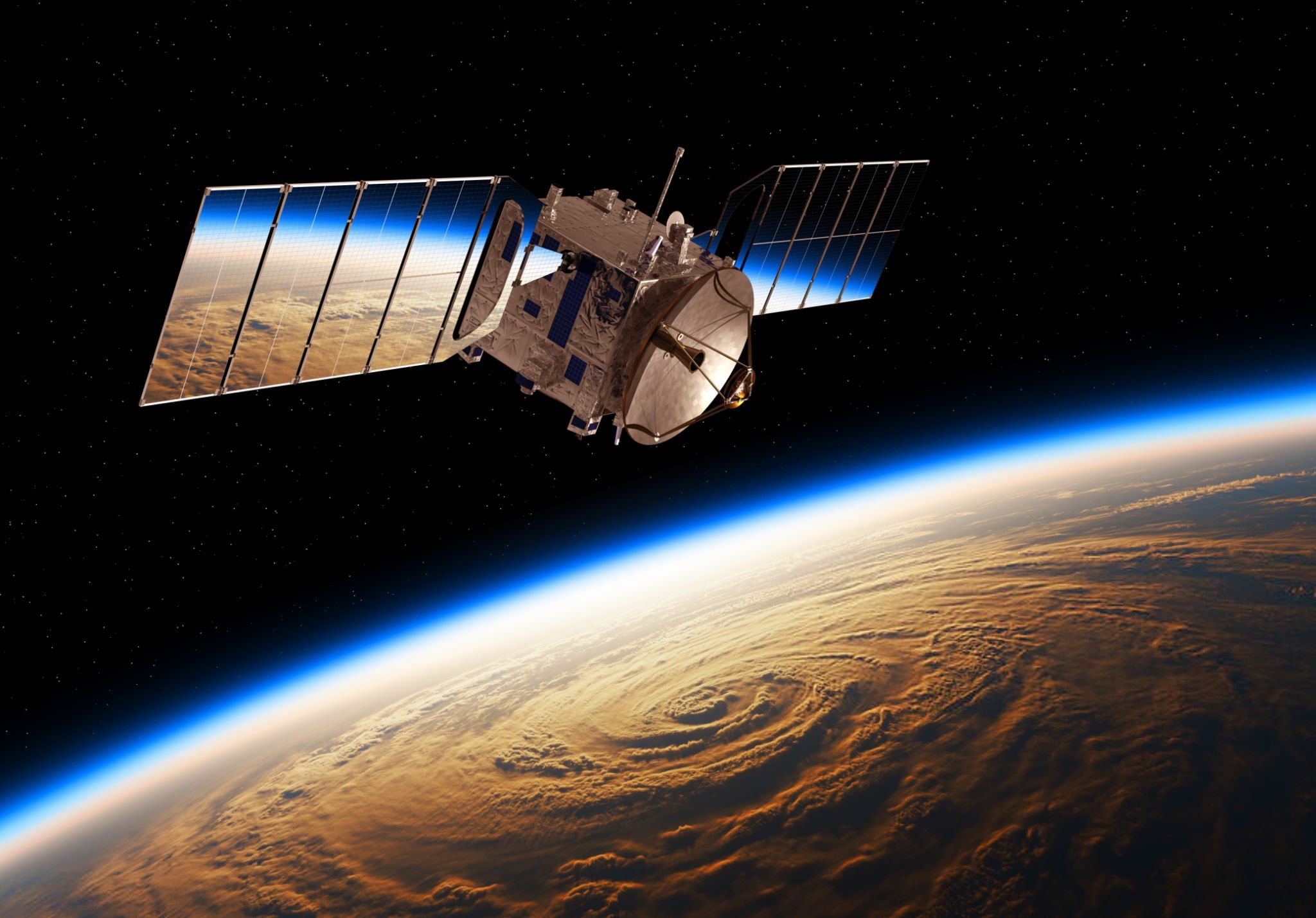
Satellite fabrication
🧪 4. Testing and Quality Assurance
Before the satellite is launched, it must undergo a series of rigorous tests:
-
🧱 Mechanical testing: Shock and vibration simulation during rocket launch
-
❄️ Thermal and vacuum testing: Simulation of harsh space conditions
-
⚡ Electrical and communication system testing: Ensure no technical errors
-
📡 Signal simulation: Measure positioning accuracy and data transmission
🎯 Only after passing all tests will the satellite be cleared to proceed to the launch phase.
🚀 5. Launching the Satellite into Orbit
The satellite is launched into space by dedicated launch vehicles:
-
The satellite is placed in a protective fairing
-
Rocket launched from the launch site (usually Kourou, Cape Canaveral, Baikonur...)
-
After stage separation, the satellite operates autonomously, deploys solar panels, and activates its systems
📍 This process must be calculated with extreme precision for the satellite to enter the correct designed orbit.
🔚 Conclusion: A Satellite Is Not Born Easily
From idea – design – assembly – testing – launch, the manufacturing process of an artificial satellite is a journey that requires multidisciplinary knowledge, modern technology, and significant cost.
With the trend of mini-satellites, commercial satellites (like Starlink), Vietnam is also gradually entering this field with the expectation of “Make in Vietnam” in the near future.
🔗 Are you interested in satellite equipment, satellite internet, or space communication solutions?
Discover now at Vetinhnet.com – Vietnam's leading in-depth platform on satellite technology!