 English
  Tiếng Việt
 Technology connectivity, satellite IoT is becoming increasingly popular in many industries thanks to its ability to connect devices and sensors in remote areas without traditional network infrastructure. However, along with the development of this technology, information security has become an important factor that cannot be ignored. In this article, we will explore the security challenges in connectivity, satellite IoT systems and the key considerations to ensure the safety of data and systems.

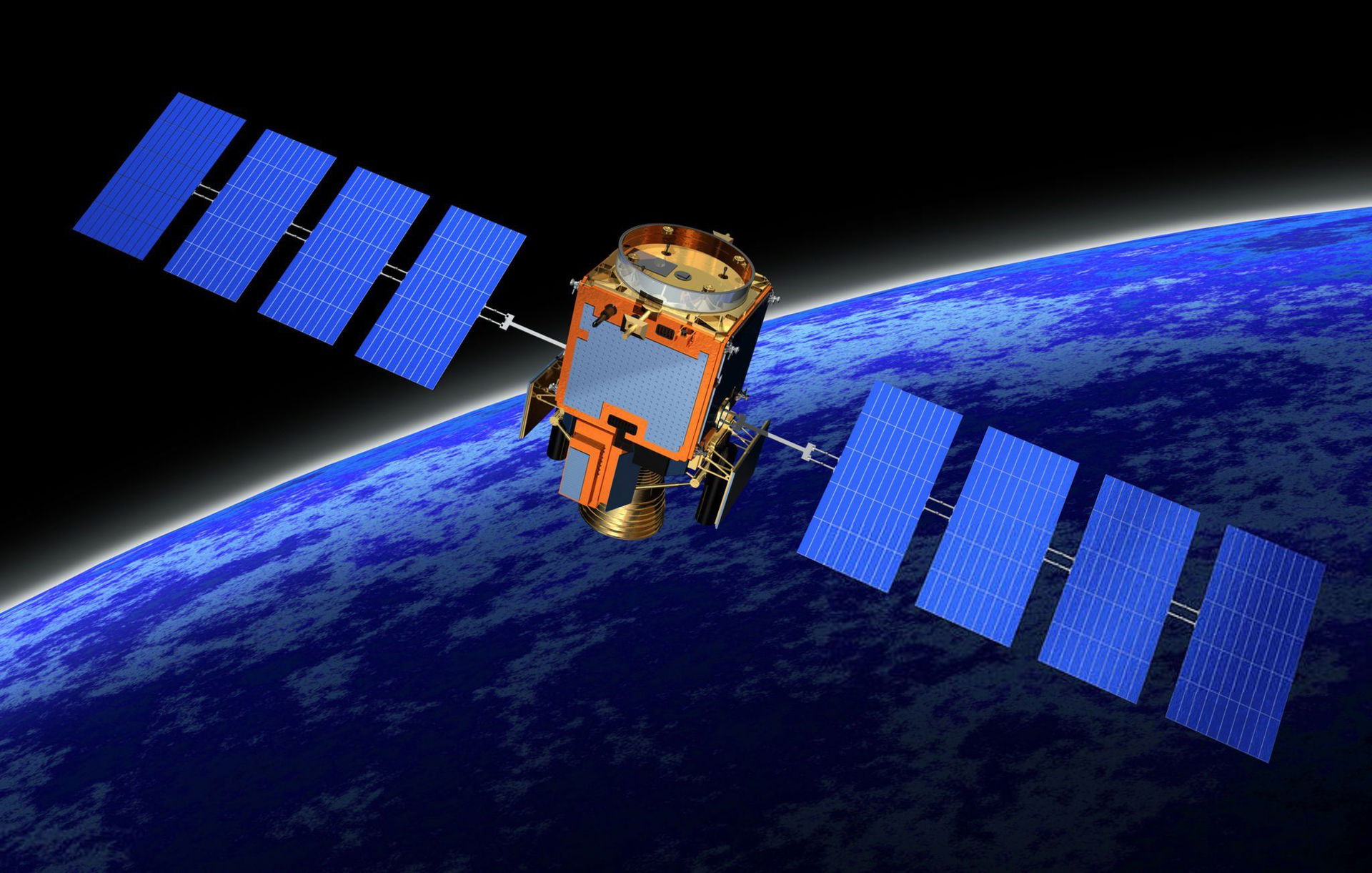
A satellite
1. What is Satellite IoT?
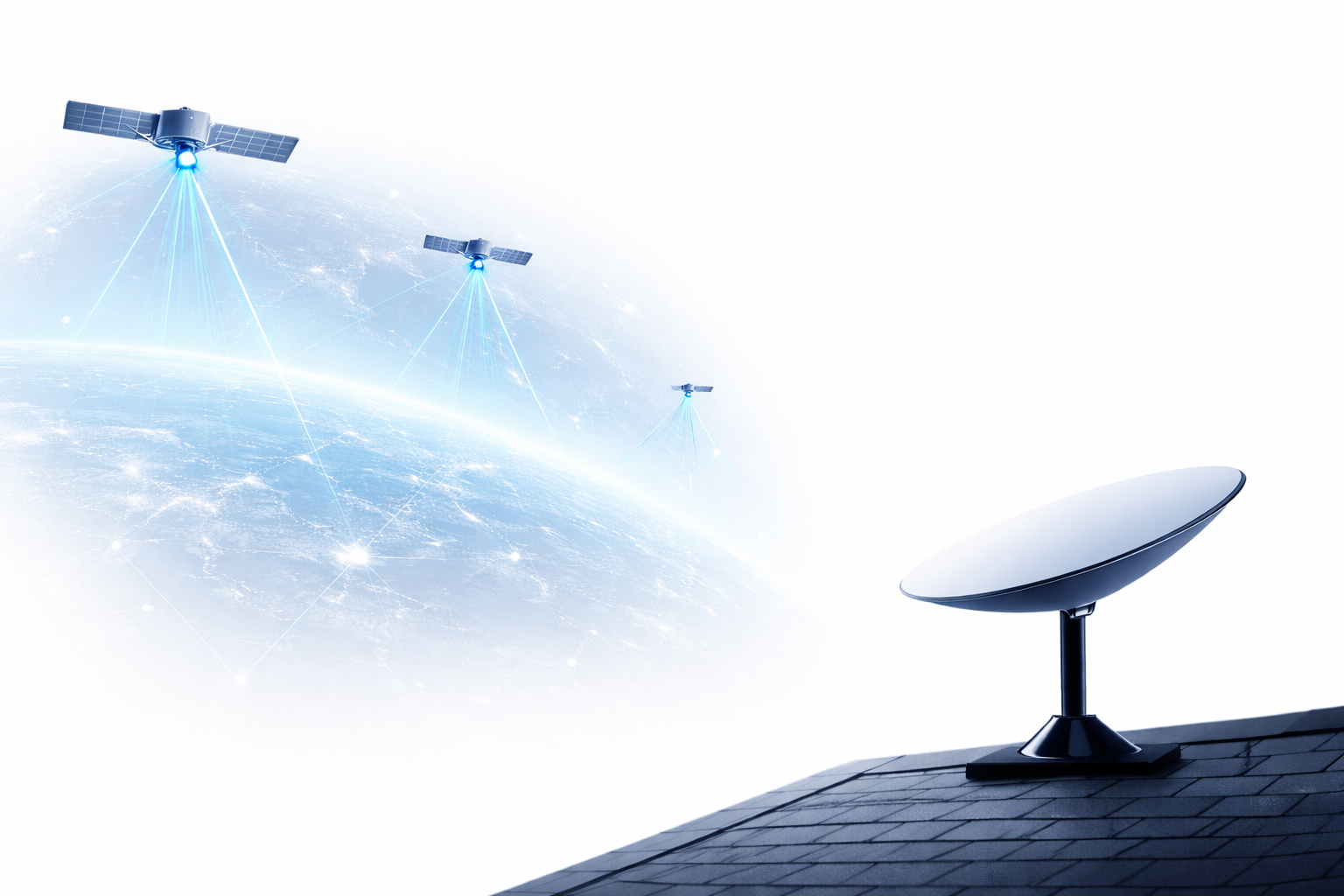
connectivity, satellite IoT (Internet of Things via Satellite) is a system that connects devices and sensors through satellites instead of traditional networks like Wi-Fi, 4G, or 5G. This technology is particularly useful for providing connectivity in remote areas, such as oceans, mining areas, or rural areas where conventional network infrastructure is absent.
Although connectivity, satellite IoT opens up many opportunities for remote device connectivity and management, transmitting data via satellite also creates several information security issues that we need to pay special attention to.
2. Security Risks in Satellite IoT
2.1 Network Attacks via Satellite Communication Channels
One of the main risks in using connectivity, satellite IoTis the possibility of attacks via satellite communication channels. Satellites often transmit data over radio wave channels, which are susceptible to theft or interference. Attacks such as Denial of Service (DDoS) attacks can disrupt services and stop data from IoT devices.
2.2 Insecure IoT Devices
IoT devices are often deployed in remote areas and may not be regularly maintained or updated with security patches. This makes them easy targets for attacks, such as Man-in-the-Middle (MITM) attacks, where an attacker can steal or alter data during transmission.
2.3 Vulnerabilities in Software and Protocols
The software and transmission protocols of connectivity, satellite IoT may contain security vulnerabilities that hackers can exploit to gain access to the system. These vulnerabilities can lead to data loss or even unauthorized control of IoT devices, resulting in serious incidents, especially in applications requiring high security such as healthcare, military, or energy.
2.4 Lack of Data Encryption
Data transmitted via satellite can be intercepted and decrypted by malicious actors if not properly encrypted. Therefore, the lack of secure encryption during data transmission will make information easily leaked or stolen.
3. Security Measures for Satellite IoT
3.1 Data Encryption
One of the most basic yet crucial measures to protect data in connectivity, satellite IoT systems is data encryption. Encryption ensures that data transmitted via satellite cannot be read or altered by external parties. Both data in transit and data at rest should be encrypted using modern security algorithms like AES (Advanced Encryption Standard) to ensure confidentiality.
3.2 Improve Authentication and Access Control
To protect the satellite IoT system, user and device authentication is crucial. Utilizing multi-factor authentication (MFA) methods and Access Control systems can help prevent unauthorized access to the system and protect sensitive data. Additionally, monitoring and logging system activities are vital for detecting unusual intrusion behaviors. connectivity, satellite IoTThe software of IoT devices and transmission protocols must be regularly updated and patched to minimize the risk of attacks through security vulnerabilities. Maintaining an automated update system will help reduce risks and protect the satellite IoT system from security threats.
3.4 Monitor and detect intrusions
Continuous monitoring is an important tool in protecting the satellite IoT system. Using intrusion detection and prevention systems (IDS/IPS) can help monitor and detect signs of attacks on the system. If unusual activity is detected, the system can immediately alert and help stop the attack.
3.5 Manage IoT devices
Managing IoT devices also plays an important role in security. Devices must be carefully controlled and protected, from changing default passwords to ensuring that devices have no security vulnerabilities when deployed. connectivity, satellite IoTWith the rapid development of satellite IoT, information security will continue to be an important factor. Technologies such as blockchain, AI, and machine learning can play a significant role in enhancing the security of satellite IoT. Blockchain can help ensure data integrity while AI and machine learning can help detect new threats and respond to them automatically.
3.5 Managing IoT Devices
The management of IoT devices also plays an important role in security. Devices need to be carefully controlled and protected, from changing default passwords to ensuring that devices have no security vulnerabilities when deployed.
4. The Future of Security in Satellite IoT
Với sự phát triển nhanh chóng của connectivity, satellite IoT, bảo mật thông tin sẽ tiếp tục là một yếu tố cần được chú trọng. Các công nghệ như blockchain, AI and machine learning có thể đóng vai trò quan trọng trong việc tăng cường bảo mật cho IoT vệ tinh. Blockchain có thể giúp đảm bảo tính toàn vẹn của dữ liệu trong khi AI và machine learning có thể giúp phát hiện các mối đe dọa mới và tự động phản ứng với chúng.
A satellite
5. Conclusion
connectivity, satellite IoT is opening up many opportunities for industries and society, but also brings challenges in information security. To protect satellite IoT systems from threats, security measures such as data encryption, strong authentication, and continuous monitoring are necessary. With the right steps, we can ensure that this technology will develop robustly and safely in the future.