 English
  Tiếng Việt
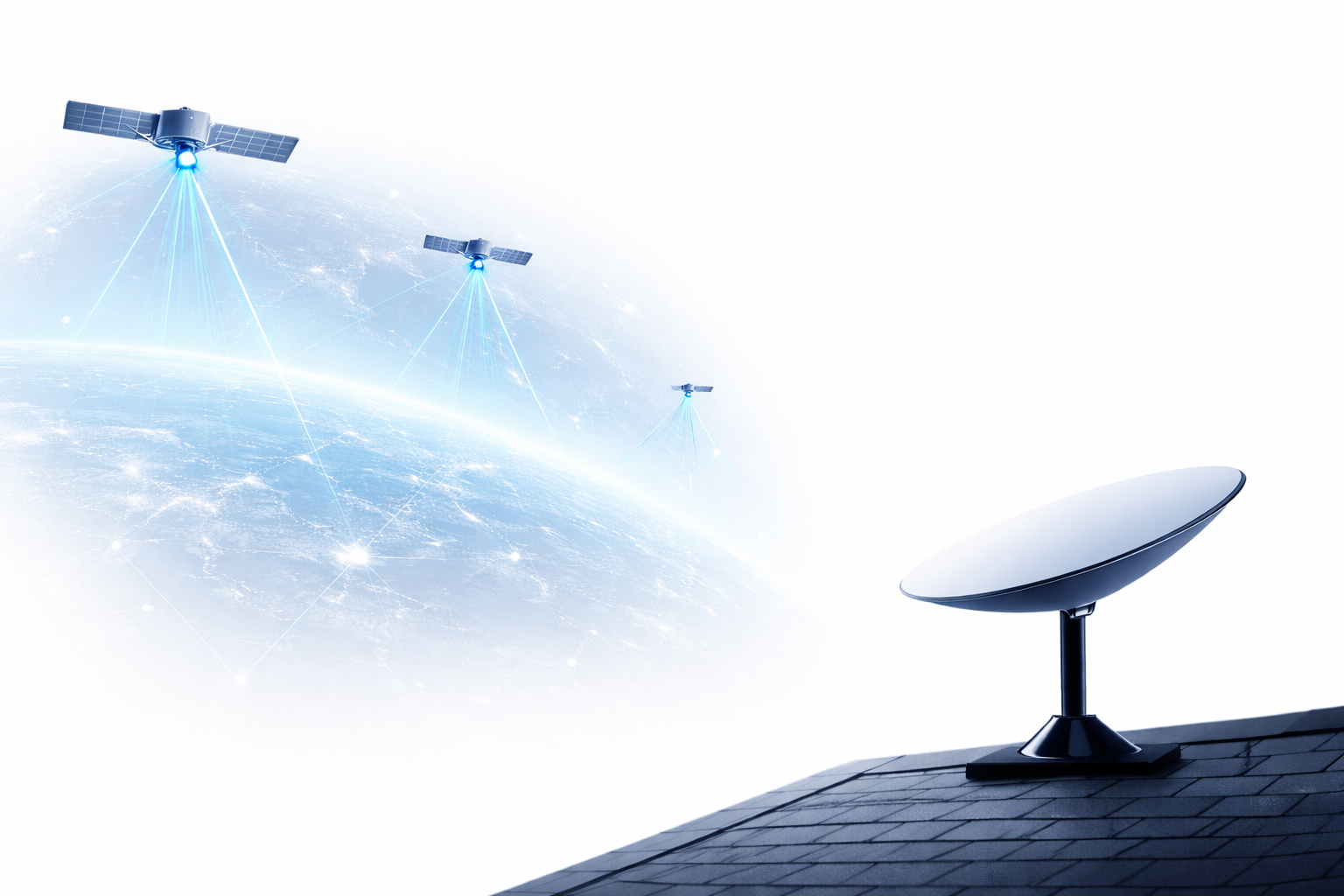
 Internet of Things (IoT) vệ tinh đang ngày càng trở thành một công nghệ quan trọng trong nhiều lĩnh vực, từ nông nghiệp đến giám sát môi trường, đặc biệt là ở những khu vực khó tiếp cận hoặc có điều kiện địa lý khắc nghiệt. Tuy nhiên, một câu hỏi lớn mà nhiều người đặt ra là liệu connectivity, satellite IoT có thể hoạt động hiệu quả trong or not? In this article, we will explore the capabilities of " when facing harsh weather conditions and solutions to optimize its performance in these conditions. hay không? Trong bài viết này, chúng ta sẽ khám phá khả năng của connectivity, satellite IoT khi phải đối mặt với các yếu tố thời tiết khắc nghiệt và các giải pháp giúp tối ưu hóa hiệu suất của nó trong những điều kiện này.
A satellite
1. What is Satellite IoT?
connectivity, satellite IoT là một hệ thống IoT sử dụng vệ tinh để kết nối và truyền tải dữ liệu giữa các thiết bị, thay vì sử dụng các mạng mặt đất truyền thống. Điều này đặc biệt hữu ích trong các khu vực không có cơ sở hạ tầng mạng ổn định, chẳng hạn như khu vực hẻo lánh, vùng núi, đại dương, hoặc các khu vực có địa hình khắc nghiệt. Các thiết bị IoT vệ tinh có thể thu thập và gửi dữ liệu về sức khỏe của tài sản, điều kiện môi trường, hoặc các thông số quan trọng khác.
2.1. What are Harsh Weather Conditions?
Severe weather
includes phenomena such as heavy rain, storms, strong winds, heavy snowfall, extremely low or high temperatures, and other natural disasters. These factors can affect both satellites and IoT devices operating on the ground.
Extreme temperatures bao gồm những hiện tượng như mưa to, bão, gió mạnh, tuyết rơi dày, nhiệt độ cực thấp hoặc cực cao, và các hiện tượng thiên tai khác. Những yếu tố này có thể ảnh hưởng đến cả vệ tinh lẫn các thiết bị IoT hoạt động dưới mặt đất.
- Extreme temperatures: These factors can interfere with satellite signals or affect outdoor IoT devices.
- Snow and ice: Heavy snow can disrupt satellite connections and affect signal accessibility.
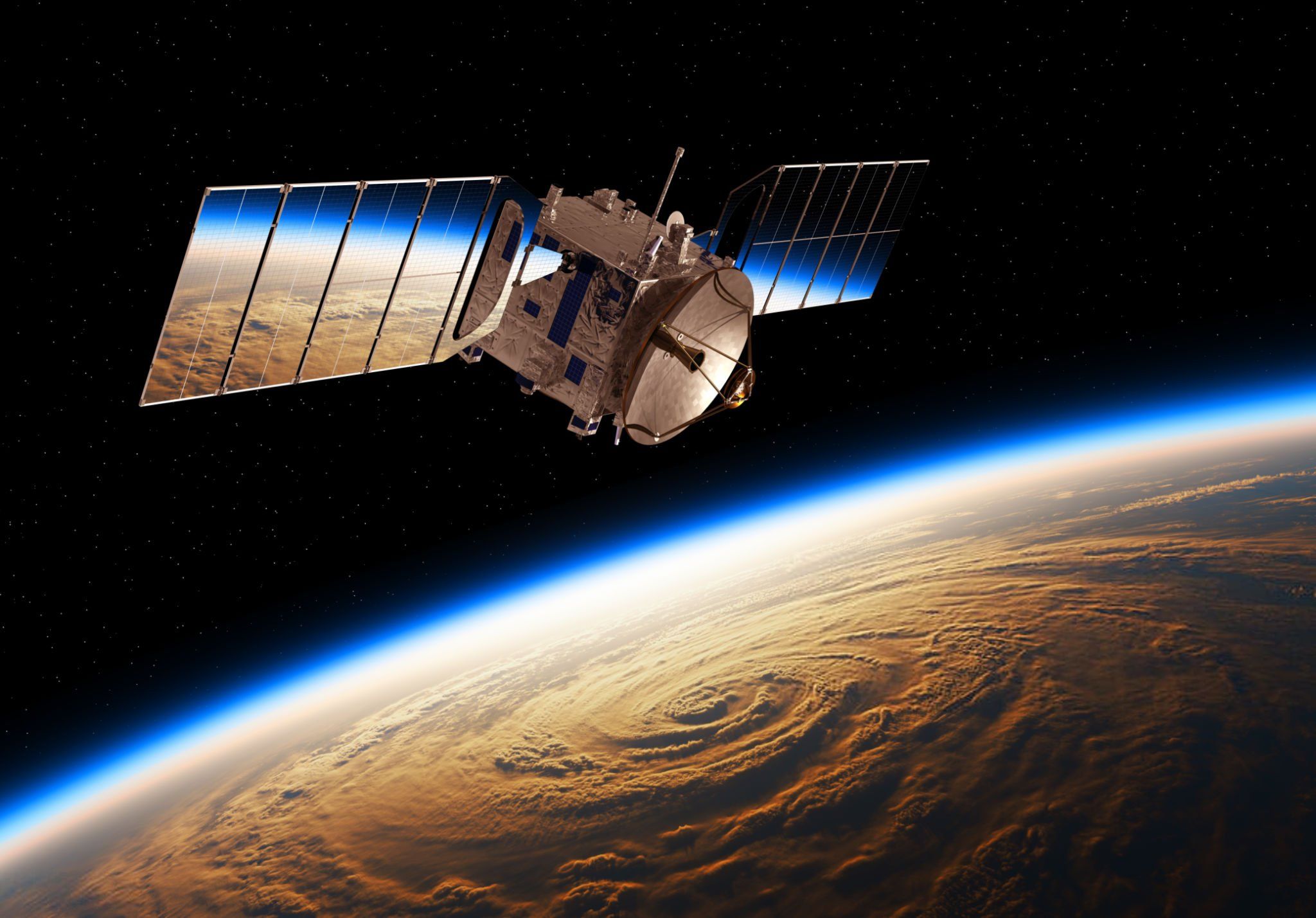
- 2.2. Impact of Harsh Weather on Satellites must endure harsh conditions in space, where temperatures are extremely low and there is no air. When satellites approach Earth to connect with ground-based IoT devices, they also face surface weather conditions. However, modern satellites are designed to withstand these harsh conditions, including:
Resistance to solar radiation
A satellite phải chịu đựng môi trường khắc nghiệt trong không gian, nơi có nhiệt độ cực kỳ thấp và không có không khí. Khi vệ tinh tiếp cận Trái Đất để kết nối với các thiết bị IoT trên mặt đất, nó cũng phải đối mặt với các yếu tố thời tiết trên bề mặt. Tuy nhiên, các vệ tinh hiện đại được thiết kế để chịu đựng những điều kiện khắc nghiệt này, bao gồm:
- Sun radiation resistance: The satellite is capable of withstanding strong radiation from the sun in space.
- Sensors and protective equipment: Satellites are often equipped with sensors and protective layers to withstand the harsh environment of space.
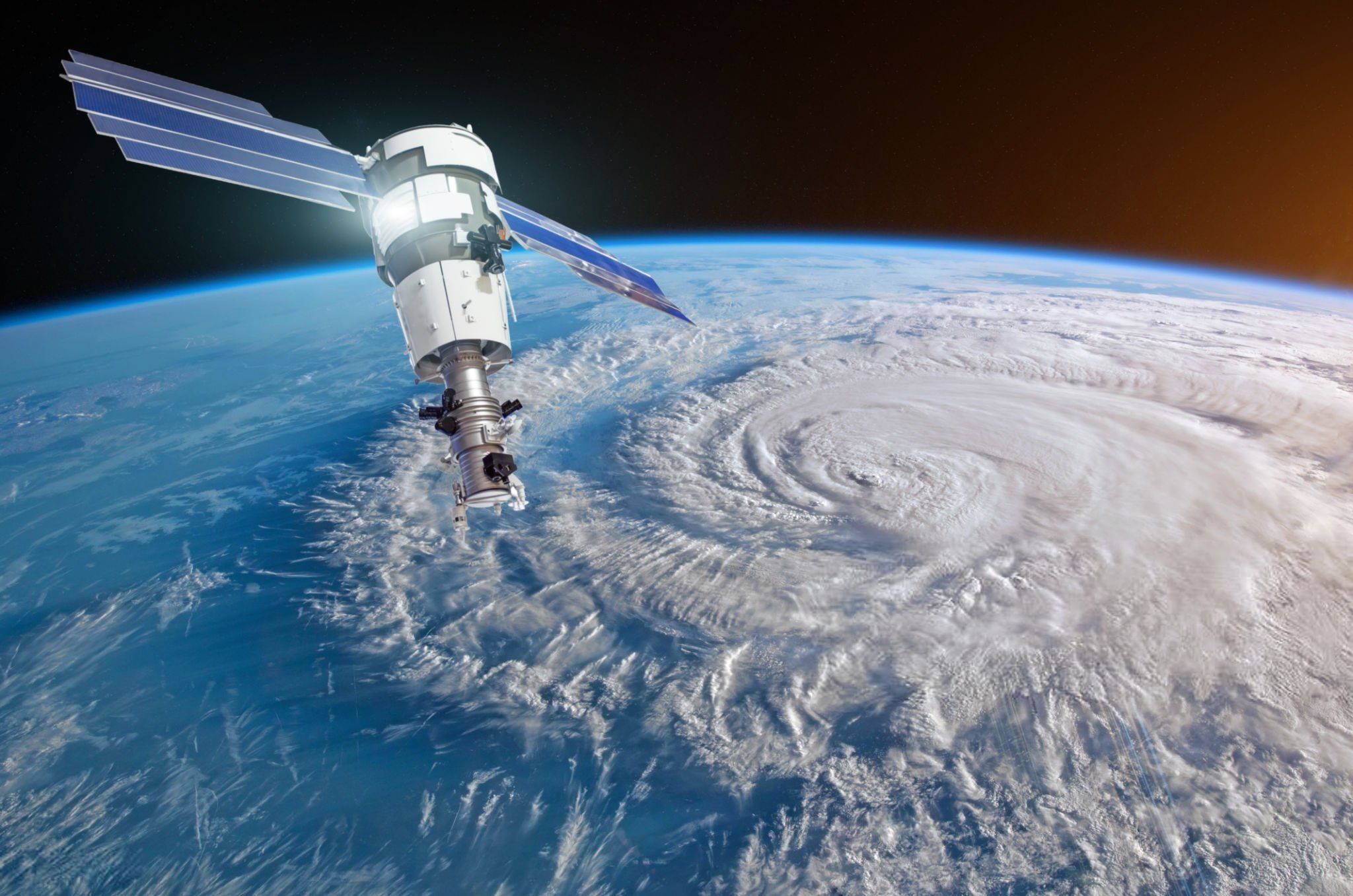
However, when satellite signals have to pass through the Earth's atmosphere, bad weather can degrade the connection quality, especially in conditions such as heavy rain, storms, or thick snow.
3. Can Satellite IoT Operate in Extreme Weather Conditions?
3.1. Satellite Structure Designed to Withstand Extreme Weather
Modern satellites are designed to withstand the harsh environmental factors in space. They are often equipped with special protective layers against radiation, extreme temperatures, and other space impacts.
Low Earth Orbit (LEO) satellites, như vệ tinh của project is a prime example of using satellites to bring broadband Internet to remote areas and regions with limited network connectivity. hay https://youtu.be/0bp-CMfEXIM?si=wsvqghipOHl39qrh, are designed to operate well in harsh weather conditions on Earth's surface. This helps ensure that satellite IoT devices can still connect stably even when the weather experiences strong fluctuations.
3.2. Impact of Bad Weather on Satellite IoT Signals
Although connectivity, satellite IoT có thể hoạt động trong điều kiện thời tiết khắc nghiệt, satellite signals có thể bị ảnh hưởng khi gặp phải các điều kiện khí quyển xấu. Các yếu tố như can be affected when encountering adverse atmospheric conditions. Factors such asorrain, snow, storms có thể làm giảm chất lượng tín hiệu giữa vệ tinh và các thiết bị trên mặt đất. Tuy nhiên, công nghệ vệ tinh hiện nay đã có nhiều cải tiến giúp khắc phục các vấn đề này.
- Rain and thick clouds: In heavy rain or thick cloud conditions, satellite signals can be degraded, especially when passing through the atmosphere.
- Storms and strong winds: Các hiện tượng này có thể làm gián đoạn tín hiệu vệ tinh, tuy nhiên, các công nghệ 3.3. Solutions to Ensure Stable Satellite Signals and To ensure that "" can operate well in harsh weather conditions, several technological solutions have been developed, including: đã được cải tiến để giảm thiểu ảnh hưởng này.
: Modern satellites are capable of signal compensation and use frequency control methods to maintain a stable connection in bad weather conditions.
Để đảm bảo rằng connectivity, satellite IoT có thể hoạt động tốt trong điều kiện thời tiết khắc nghiệt, một số giải pháp công nghệ đã được phát triển, bao gồm:
- Improved IoT devices are increasingly equipped with "" technology and "" capabilities to maintain a stable connection even in harsh weather conditions.
- "" can fully operate in harsh weather conditions, thanks to advancements in satellite and IoT device technology. Although bad weather can affect satellite signals, modern technological solutions have helped to minimize disruptions. Modern satellite systems are designed to operate stably even when encountering harsh conditions, helping to "": Các hệ thống vệ tinh hiện nay, chẳng hạn như project is a prime example of using satellites to bring broadband Internet to remote areas and regions with limited network connectivity., using a network of small satellites in low Earth orbit (LEO) to provide continuous connectivity and minimize signal interruption.
- IoT device improvement: Các thiết bị connectivity, satellite IoT ngày càng được trang bị công nghệ 3.3. Solutions to Ensure Stable Satellite Signals và khả năng To ensure that "" can operate well in harsh weather conditions, several technological solutions have been developed, including: để duy trì kết nối ổn định dù trong điều kiện thời tiết khắc nghiệt.
Satellite
4. Conclusion
connectivity, satellite IoT hoàn toàn có thể hoạt động trong điều kiện thời tiết khắc nghiệt, nhờ vào sự tiến bộ trong công nghệ vệ tinh và thiết bị IoT. Mặc dù thời tiết xấu có thể ảnh hưởng đến tín hiệu vệ tinh, nhưng các giải pháp công nghệ hiện đại đã giúp giảm thiểu tối đa các gián đoạn. Các hệ thống vệ tinh hiện đại được thiết kế để hoạt động ổn định ngay cả khi gặp phải điều kiện khắc nghiệt, giúp connectivity, satellite IoT tiếp tục phát huy vai trò quan trọng trong các ứng dụng như giám sát môi trường, quản lý tài sản từ xa và kết nối khu vực hẻo lánh.