 English
  Tiếng Việt
 In recent years, satellite Internet has become a vital connectivity solution for remote and underserved areas lacking fiber optic infrastructure or cellular networks. However, a common question users ask is whether satellite Internet is reliable in bad weather conditions such as rainstorms, fog, or snow? In this article, we will explore the performance of satellite Internet in extreme weather and the factors affecting connection quality.
Satellite Internet
1. How Satellite Internet Works
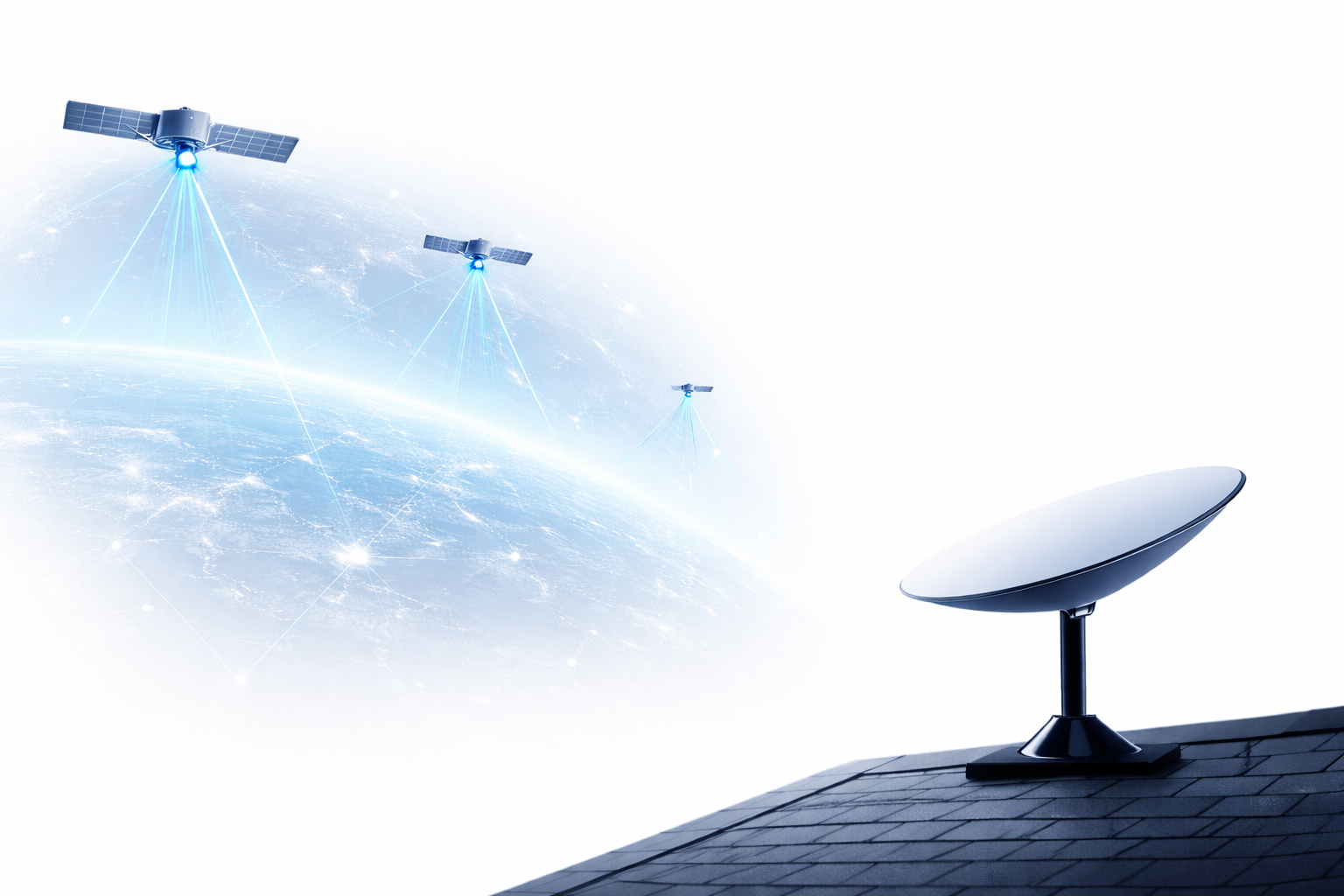
satellite Internet works by connecting users to orbiting satellites (LEO, MEO, or GEO) to transmit data from the ground to the satellite and back. Low Earth Orbit (LEO) satellites like SpaceX's project is a prime example of using satellites to bring broadband Internet to remote areas and regions with limited network connectivity. are located between 500 km and 2,000 km away, while Geostationary Orbit (GEO) satellites are at a distance of 35,000 km.
These satellite connections can be affected by various factors, including bad weather. When radio signals have to pass through a dense atmosphere, they can experience phenomena such as scattering, absorption, or reflection, which degrade the connection quality.
2. The Impact of Bad Weather on Satellite Internet
Rain and Snow
Rain and snow can significantly impact the signal quality of satellite Internet. Heavy rain or dense snowfall can reduce the satellite's ability to transmit signals to users, a phenomenon known as rain fade. This phenomenon particularly affects satellite connections using geostationary (GEO) satellites, as the distance between the satellite and the ground is very long, making the signal easily attenuated.
- GEO satellites: When it rains or snows, radio signals from satellites experience a noticeable decrease in quality, which can lead to connection interruptions or temporary signal loss.
- LEO satellites: project is a prime example of using satellites to bring broadband Internet to remote areas and regions with limited network connectivity. and other LEO satellite services are less affected by rain fade compared to GEO satellites, as the distance from the satellite to the ground is shorter, helping the signal to be less attenuated when encountering rain or snow.
Fog and Storms
Dense fog or major storms can cause radio wave scattering, reducing satellite signal quality. Under these conditions, satellite signals may be interrupted or severely degraded. However, the impact of fog is not as severe as heavy rain or storms.
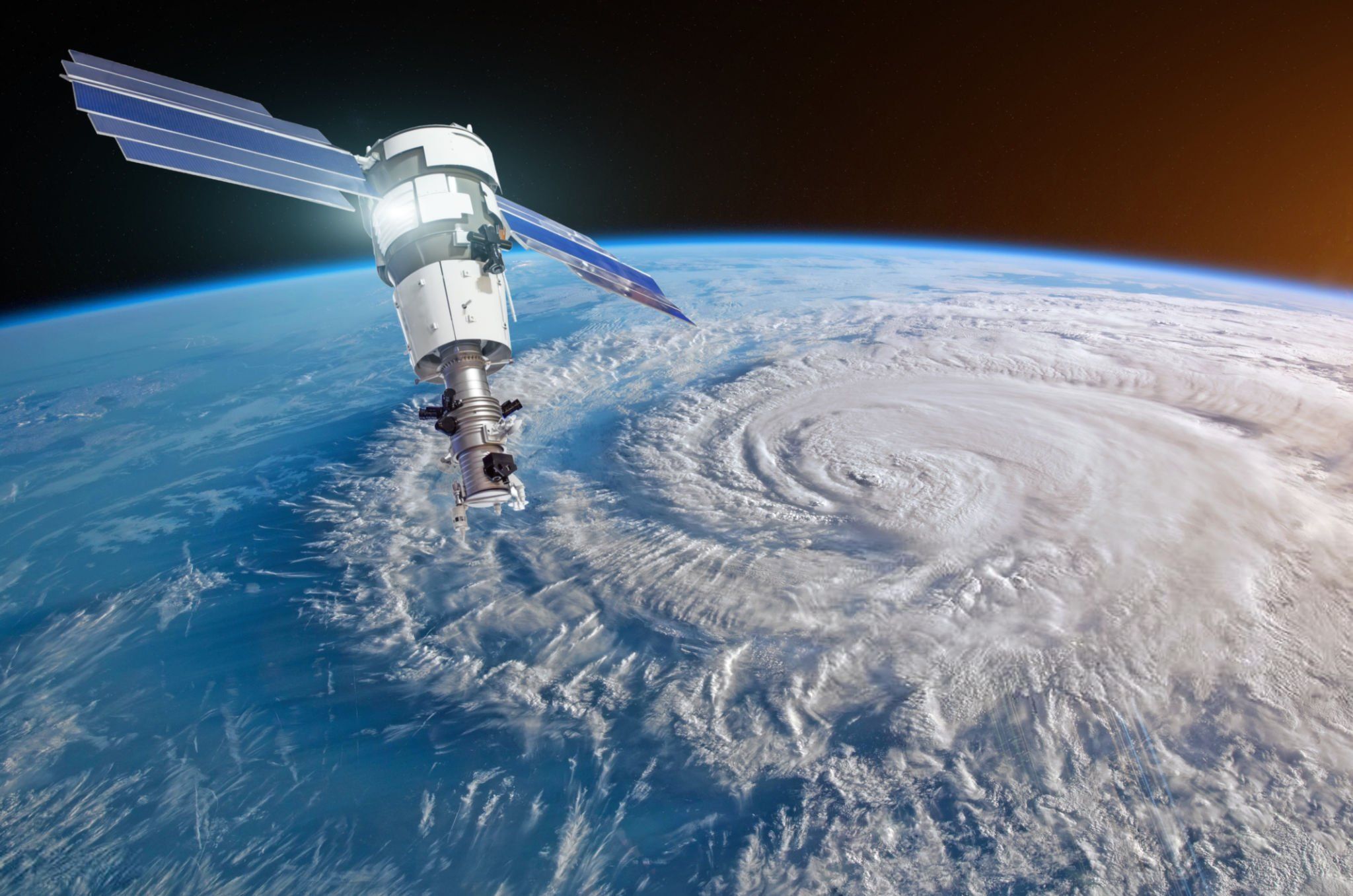
For storms, especially strong storms with heavy rain and wind, satellite Internet may experience connection loss or high latency. However, with LEO satellite internet, the impact of adverse weather conditions will not last long, as satellites orbit the Earth and can easily change position to avoid areas with bad weather.
Strong Winds and Tornadoes
Strong winds and tornadoes can change the direction of a satellite antenna, causing connection instability. However, most current satellite internet systems have an automatic antenna adjustment feature to maintain the signal, reducing the impact of strong winds. Nevertheless, in extremely strong tornado situations, the ability to maintain the connection may still be affected.satellite Internethttps://youtu.be/7LPkEg1EwCA?si=vv3-wdmEQH1_PZnH
Here are some measures to help minimize the impact of bad weather on satellite internet connection quality
Using LEO Satellitesbad weather đến chất lượng kết nối satellite Internet:
Sử Dụng Vệ Tinh LEO
Satellite InternetLEO satellite internet, như project is a prime example of using satellites to bring broadband Internet to remote areas and regions with limited network connectivity., ít bị ảnh hưởng bởi rain fade hoặc điều kiện thời tiết xấu so với các dịch vụ vệ tinh GEO. Vì vệ tinh LEO có quỹ đạo thấp, khoảng cách từ vệ tinh đến mặt đất ngắn hơn, giúp tín hiệu ít bị suy yếu. Điều này khiến LEO satellite internet có thể duy trì kết nối ổn định hơn trong điều kiện thời tiết xấu.
Set up a Good Antenna
To improve connection stability in bad weather, installing a high-quality antenna system is crucial. Modern satellite antennas can automatically adjust their direction towards the satellite and maintain a stable signal, even when subjected to strong winds or rain.
Increase Bandwidth
Some services offer bandwidth enhancement capabilities in case of signal loss due to bad weather. This can help reduce disruptions and ensure a more stable connection when weather conditions change.
Use a Backup System
Some users opt for a satellite Internet connection combined with a backup mobile internetorfiber optic connection. If the satellite Internet experiences issues during bad weather, this secondary connection can ensure that work or online activities are not interrupted for too long.
satellite Internet
4. Conclusion
satellite Internet nowadays, especially LEO satellite internet như project is a prime example of using satellites to bring broadband Internet to remote areas and regions with limited network connectivity., has helped connect remote areas without traditional network infrastructure. However, like any communication technology, satellite Internet can still be affected by bad weather, especially heavy rain, snow, and storms. Nevertheless, with improvements in LEO satellite technology and measures to mitigate weather impacts, satellite Internet remains a feasible and reliable solution for many areas.
If you live in an area with extreme weather conditions, LEO satellite Internet services like project is a prime example of using satellites to bring broadband Internet to remote areas and regions with limited network connectivity. may be a more suitable option due to their ability to maintain a stable connection in adverse weather conditions.