 English
  Tiếng Việt
 Satellite Hub And Its Role In Smart Agriculture Development
In the context of climate change and the demand for increased agricultural productivity, smart agriculture is gradually becoming an inevitable trend. However, deploying technology in rural areas, where network infrastructure is limited, poses a significant challenge.
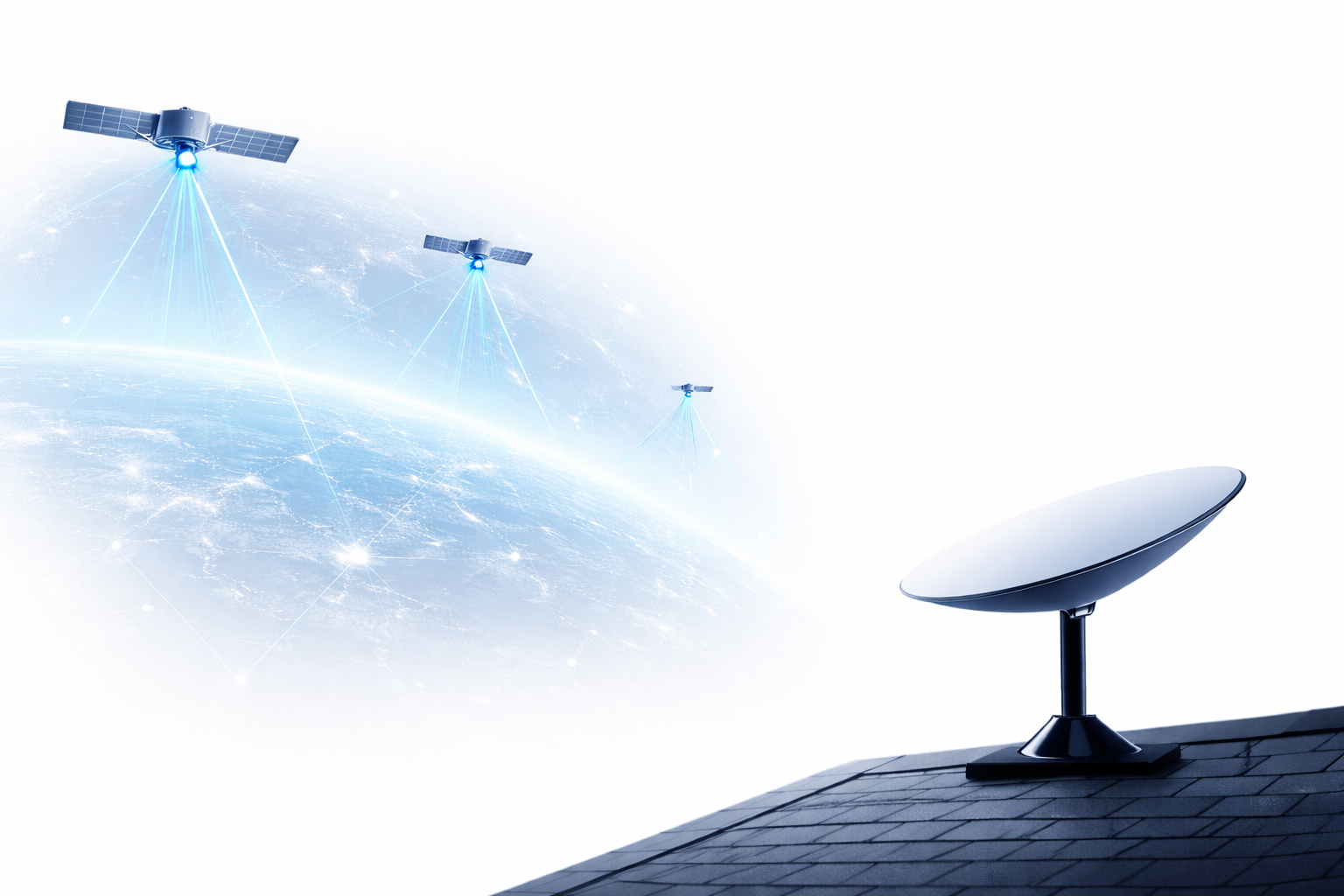
This is where satellite hub – signal relay stations from satellites to end-user devices – become the “backbone” for connecting smart agriculture networks, regardless of the terrain.
1. What is a Satellite Hub?
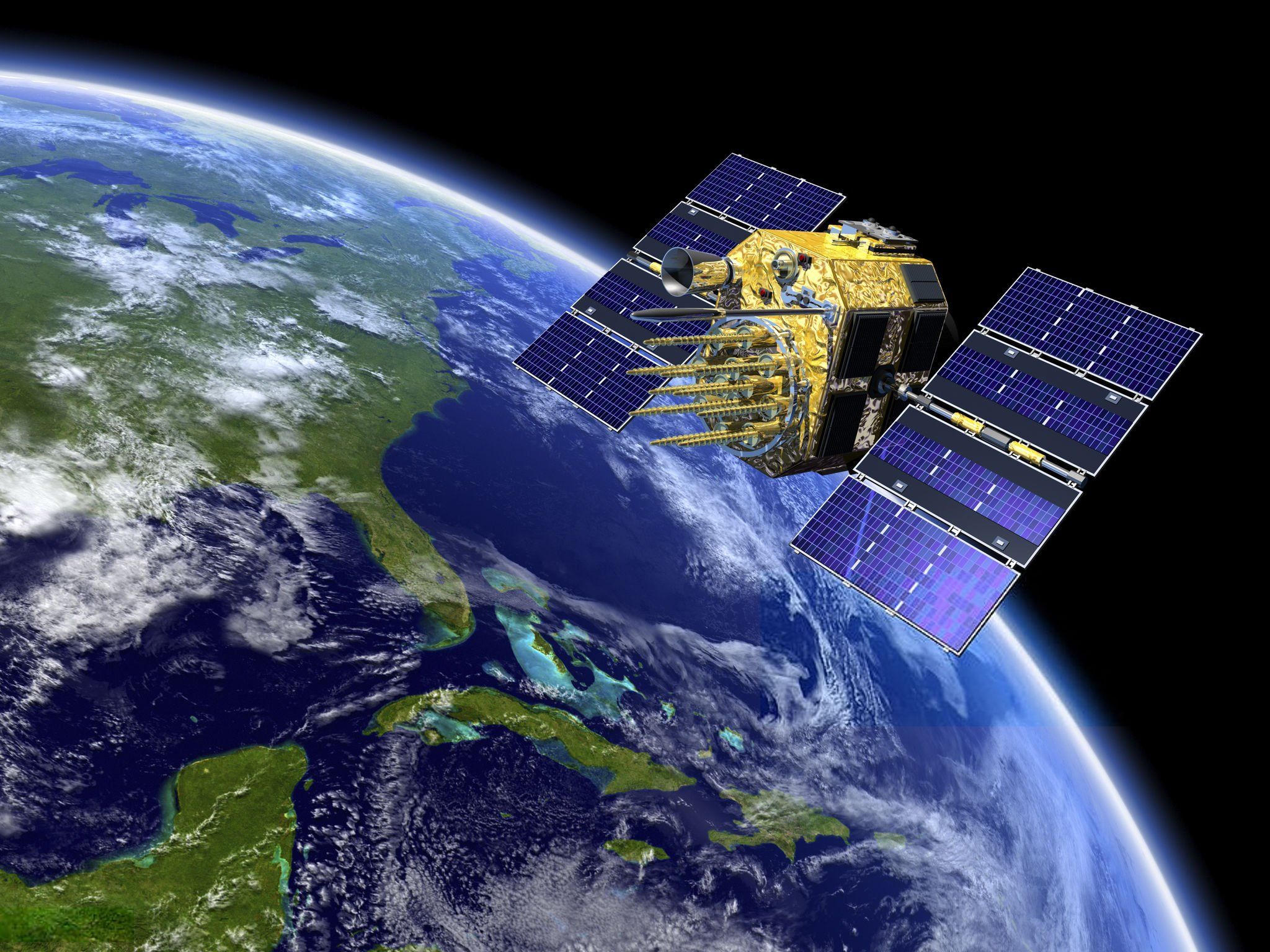
Satellite hub are ground stations that connect and route signals from satellites to devices such as:
-
Weather stations, agricultural sensors
-
Irrigation, humidity, and temperature monitoring systems
-
Cameras, drones, and IoT devices in farming
Hubs help continuously transmit data from production sites in remote areas to the analysis center, without the need for mobile network or fiber optic infrastructure.
2. Why are Satellite Hubs Important for Smart Agriculture?
| Features | Role in agricultural production |
|---|---|
| ✅ Connectivity across coverage areas | Help IoT sensors, cameras operate in areas without a network |
| ✅ Real-time data transmission | Monitor humidity, pests, farming environment |
| ✅ Remote control | Automatic irrigation, crop monitoring, precise fertilization |
| ✅ Early warning | Timely alerts for natural disasters, floods, droughts |
3. Practical Applications of Satellite Hub in Agriculture
🌾 Smart farming in mountainous regions
-
Sensors monitor soil moisture, temperature, PH levels
-
Satellite data transmission to central hub → processing & decision making
-
Remote drip irrigation control
🐄 Large-scale livestock farms
-
Attach chips to track livestock health
-
24/7 video surveillance with cameras connected to the satellite hub
-
Report status to phone or central server
🌿 Forest management, agroforestry
-
Use drones and AI to detect pests, forest fires
-
Signal is transferred via satellite hub even without 4G signal
4. Satellite Hub Combined Devices in Agriculture
| Equipment | Main Functions |
|---|---|
| Soil & environmental sensors | Measures humidity, temperature, light, pH |
| Agricultural Drone | Spraying pesticides, crop monitoring via satellite imagery |
| AI Camera | Detects diseases, counts plants or livestock |
| GPS + IoT Positioning Module | Monitors livestock, tractors, mobile agricultural vehicles |
5. Economic Benefits of Applying Satellite Hubs in Agriculture
-
🌱 Increase productivity by 15–30% through precision farming
-
💧 Save 20–40% water and fertilizer through smart control
-
⏱ Shorten monitoring and management time – improve labor efficiency
-
💸 Reduce personnel costs, improve disease and weather forecasting capabilities
6. Conclusion: Satellite Hub – Connectivity Infrastructure for Future Agriculture
The satellite hub is not just a connection device, but the “central nervous system” helping the agricultural sector achieve modernization, even in remote rural areas.
🌾 Whether it's a high-tech farm model or small-scale production, investing in satellite solutions will help farmersefficient – accurate – effective – sustainable more in production.
📞 Need to Deploy a Satellite Hub Solution for Farms or Agricultural Projects?
ContactNet Satellite immediately
📲 Hotline: 0979 866 005
🌐 Website: 🌐 Website:
https://vetinhnet.com