 English
  Tiếng Việt
 Hệ thống GPS (Global Positioning System) đã trở thành một phần không thể thiếu trong đời sống hiện đại, từ chỉ đường cho đến các ứng dụng trong công nghiệp, nông nghiệp và nghiên cứu khoa học. Tuy nhiên, câu hỏi mà nhiều người đặt ra là: "Is the GPS satellite system accurate to the centimeter?" Cùng tìm hiểu về độ chính xác của GPS và các yếu tố ảnh hưởng đến kết quả đo lường này.
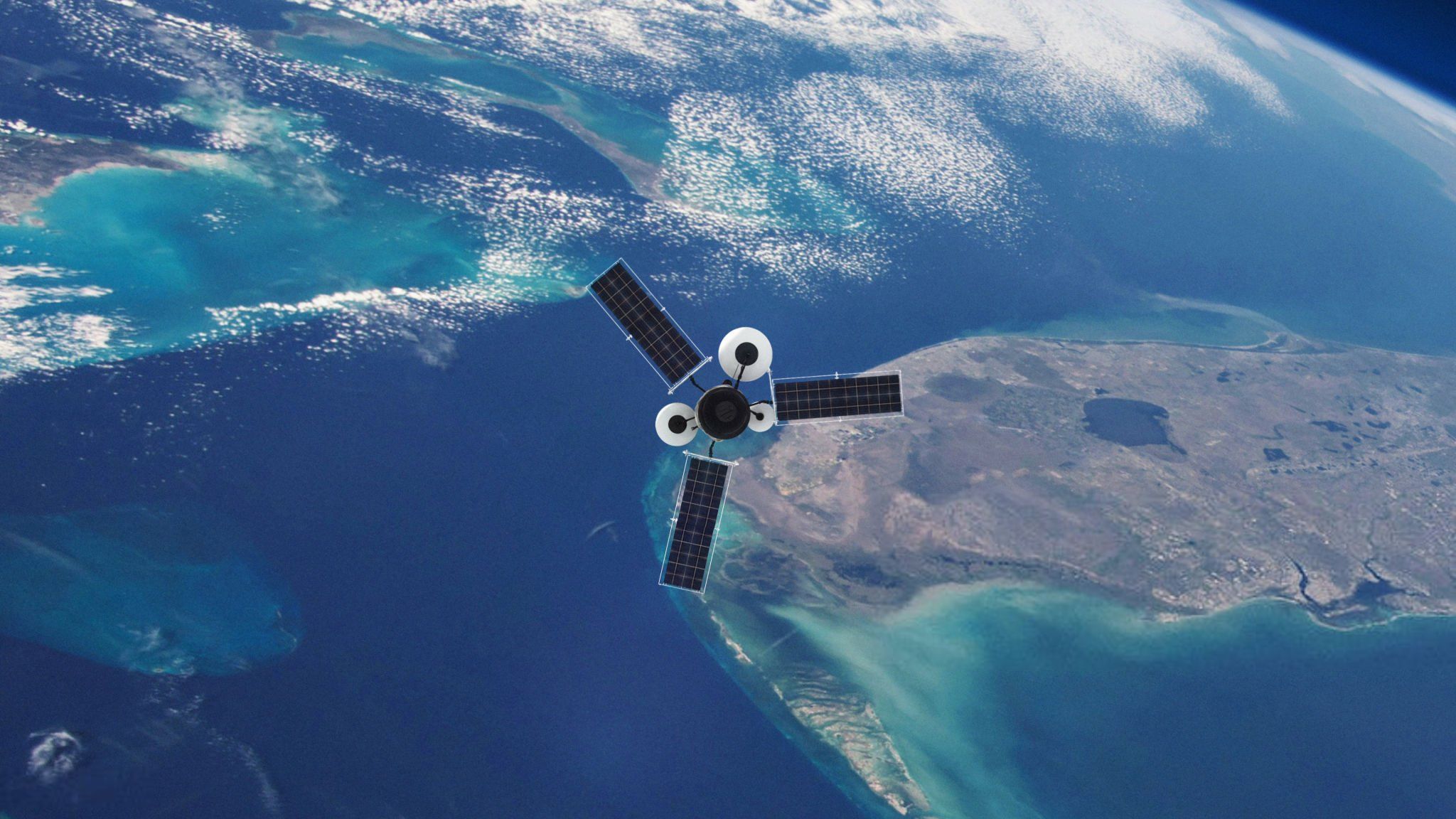
GPS satellites
1. What is the Accuracy of GPS?
GPS works by using signals from satellites in space to determine the location of a device. The accuracy of GPS can vary depending on many factors, including:
- Type of GPS system: GPS tiêu chuẩn (được sử dụng trong các thiết bị di động thông thường) có độ chính xác dao động từ 5 to 10 meters. Tuy nhiên, nếu sử dụng các công nghệ GPS nâng cao như RTK (Real-Time Kinematic) hoặc DGPS (Differential GPS), độ chính xác có thể lên đến 1 cm to 2 cm.
- Environmental Conditions: Factors such as tall buildings, trees, or objects that obstruct satellite signals can reduce GPS accuracy. In ideal conditions, GPS can achieve high accuracy, but in complex environments, accuracy may decrease.
- Number and position of satellites: GPS uses signals from at least 4 satellites to determine a position. The number and position of satellites in space directly affect accuracy. If the satellites are unevenly distributed or the number of satellites is small, accuracy may not be high.
2. GPS And Centimeter-Level Accuracy
Mặc dù GPS tiêu chuẩn không thể đạt độ chính xác đến từng cm, nhưng với các công nghệ hiện đại, như providing the ability to determine location with centimeter-level accuracy. However, the development of technologies such as (Real-Time Kinematic), độ chính xác có thể đạt mức 1 cm to 2 cm1 cm to 2 cm
. RTK uses satellites and ground-based base stations to provide additional information, helping to enhance the accuracy of position determination.
- Construction and land surveying: Topographic surveying, land division, and infrastructure construction require very high accuracy.
- Smart Agriculture: Precision farming systems use GPS RTK to accurately determine the location and the amount of fertilizer and pesticides needed.
- Applications in automation: Self-driving vehicles and outdoor mobile robots can use GPS RTK for precise position adjustments.
3. Factors Affecting GPS Accuracy
Besides technology, the following factors also affect GPS accuracy:
- Ionospheric and tropospheric errors: Atmospheric layers can deflect GPS signals, affecting the accuracy of measurements.
- Satellite clock errors: Clocks on satellites are not perfectly accurate and can cause discrepancies in distance measurements.
- Accuracy of the GPS receiver: The GPS receiving device also affects the results. High-end devices can receive signals more accurately than inexpensive ones.
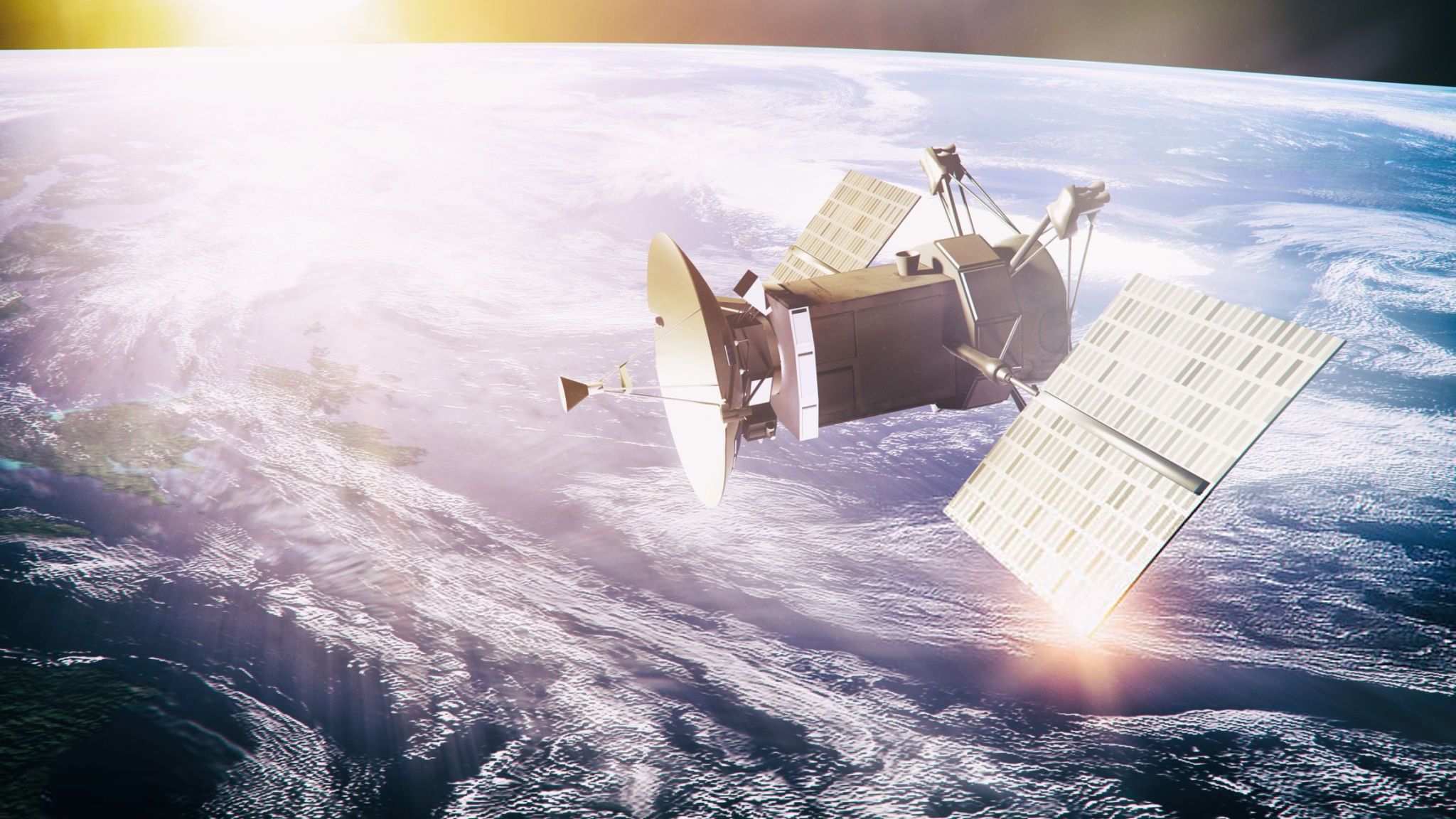
GPS satellites
4. Conclusion
GPS satellite system có thể đạt độ chính xác rất cao, nhưng không thể đạt mức centimeter-level accuracy trong tất cả các trường hợp. Với GPS tiêu chuẩn, độ chính xác thường rơi vào khoảng từ 5 to 10 meters. Tuy nhiên, thông qua các công nghệ nâng cao như providing the ability to determine location with centimeter-level accuracy. However, the development of technologies such as , độ chính xác có thể lên đến 1 cmor2 cm. This makes GPS an extremely useful tool in many industries, although there are some factors that need to be controlled to ensure accurate results.
Through this article, we hope you have a clearer understanding of the accuracy of the GPS satellite system and the technologies that help improve accuracy in practical applications.