
 English
  Tiếng Việt
 In today's technological era, satellite positioning (GPS) has become an important part of our daily lives. From navigating our cars to monitoring outdoor activities, GPS offers undeniable accuracy and convenience. However, a frequently asked question is:Does satellite positioning work underwater?To answer this question, we need to understand the operating principles of the GPS system and the factors that affect its use underwater.
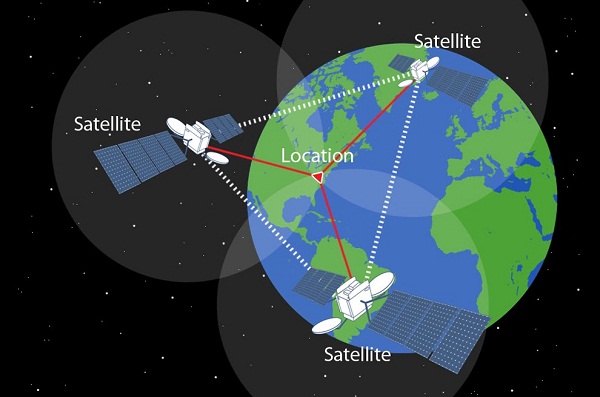
Satellite System
1. How the GPS system works
GPS (Global Positioning System) is a global positioning system that uses signals from satellites orbiting the Earth. This system has about 24 continuously operating satellites, sending signals to Earth to determine the position of receiving devices such as phones, smartwatches, or specialized GPS devices.
For GPS to work accurately, the receiving device must be able to receive radio waves from the satellites. These radio waves can travel through the air very effectively, but are attenuated when passing through denser materials like water.
2. How do positioning satellites work underwater?
When using GPS underwater, several factors need to be considered:
- The nature of radio waves underwater: Water, especially seawater, has a strong ability to absorb and weaken radio wave signals. Radio waves can only travel through the air and can hardly penetrate water, therefore, "underwater satellite positioning" becomes infeasible if relying solely on traditional GPS.underwater satellite positioning: At greater depths, the ability of GPS signals to penetrate water decreases. A GPS device will have difficulty receiving signals from satellites if it is more than a few meters underwater. Therefore, using GPS underwater in activities such as scuba diving or underwater surveys faces many limitations.
- https://youtu.be/BQQ4IPjX0Bc?si=lgehsA-XTlpLXvZ_3. Alternatives to GPS underwater
Sonar positioning system
: For underwater activities, the sonar system (also known as acoustic positioning) can help determine location. Sonar uses sound waves instead of radio waves, and sound waves can travel through water without significant attenuation like radio waves.
- Sonar positioning system: For underwater operations, sonar systems (also known as acoustic positioning) can help determine location. Sonar uses sound waves instead of radio waves, and sound waves can travel through water without being weakened as much as radio waves.
- Underwater GPS (UWGPS) system: This is a special type of device designed for underwater environments. UWGPS systems use acoustic technology or signals from underwater positioning devices to provide location information.
- Positioning via other sensor signals: Some underwater devices can use other sensors such as compasses, pressure sensors, or other support systems to determine position, instead of relying entirely on GPS.
4. Applications of underwater positioning
Although GPS cannot operate underwater, alternative technologies are widely used in many fields:
- Scuba diving: Divers and archaeologists use underwater positioning devices to search for objects or relics underwater.
- Underwater surveys: Fisheries and oil & gas survey companies often use sonar and specialized positioning systems to map the seabed and locate submarines, oil and gas pipelines, or mineral deposits on the seabed.
- Boats and submarines: Modern ships, boats, or submarines can use sonar positioning systems or underwater positioning systems to navigate in areas without GPS signals.
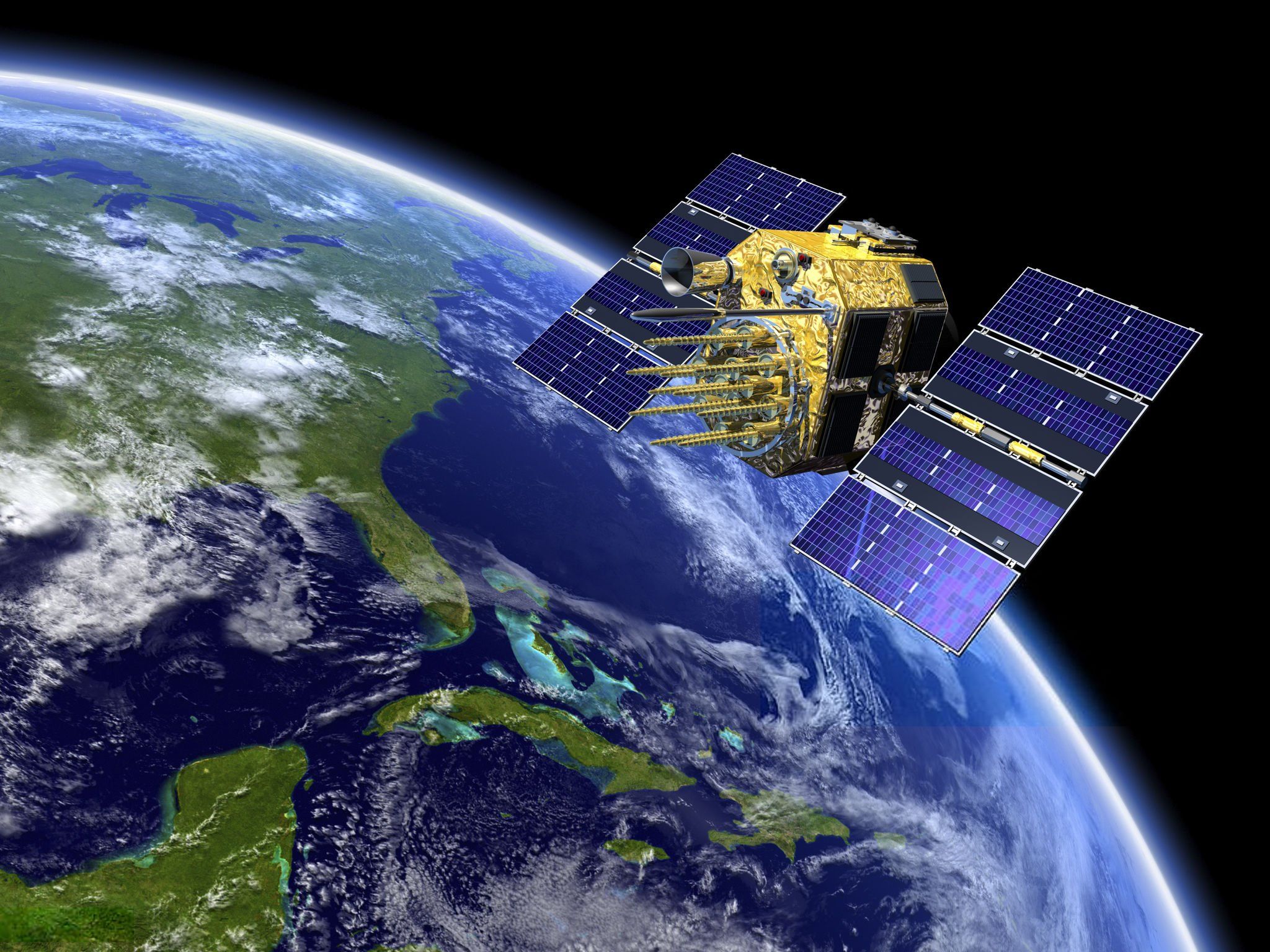
A satellite
5. Conclusion
So, the answer to the question “Can satellite positioning work underwater?” isno. GPS cannot work effectively underwater, especially at greater depths. However, alternative technologies such as sonar systems and UWGPS can still help determine underwater positions accurately. If you need underwater positioning, consider using specialized technologies instead of relying on traditional GPS.
The article above provides detailed information about the factors affecting "satellite positioning underwater", as well as existing alternative solutions.underwater satellite positioning, as well as existing alternatives.