 English
  Tiếng Việt
 In the modern world, maintaining communication is not just a need, but also a vital element for individuals and businesses. However, in many cases, terrestrial mobile networks cannot meet connectivity requirements, especially in remote areas without mobile signals. Therefore, satellite phones have emerged as a solution to help users stay connected in places inaccessible to conventional mobile networks.
This article will explain satellite phones in detail, their operating principles, practical applications, and why you should consider using this type of phone.
Satellite Phones
1. What is a Satellite Phone?
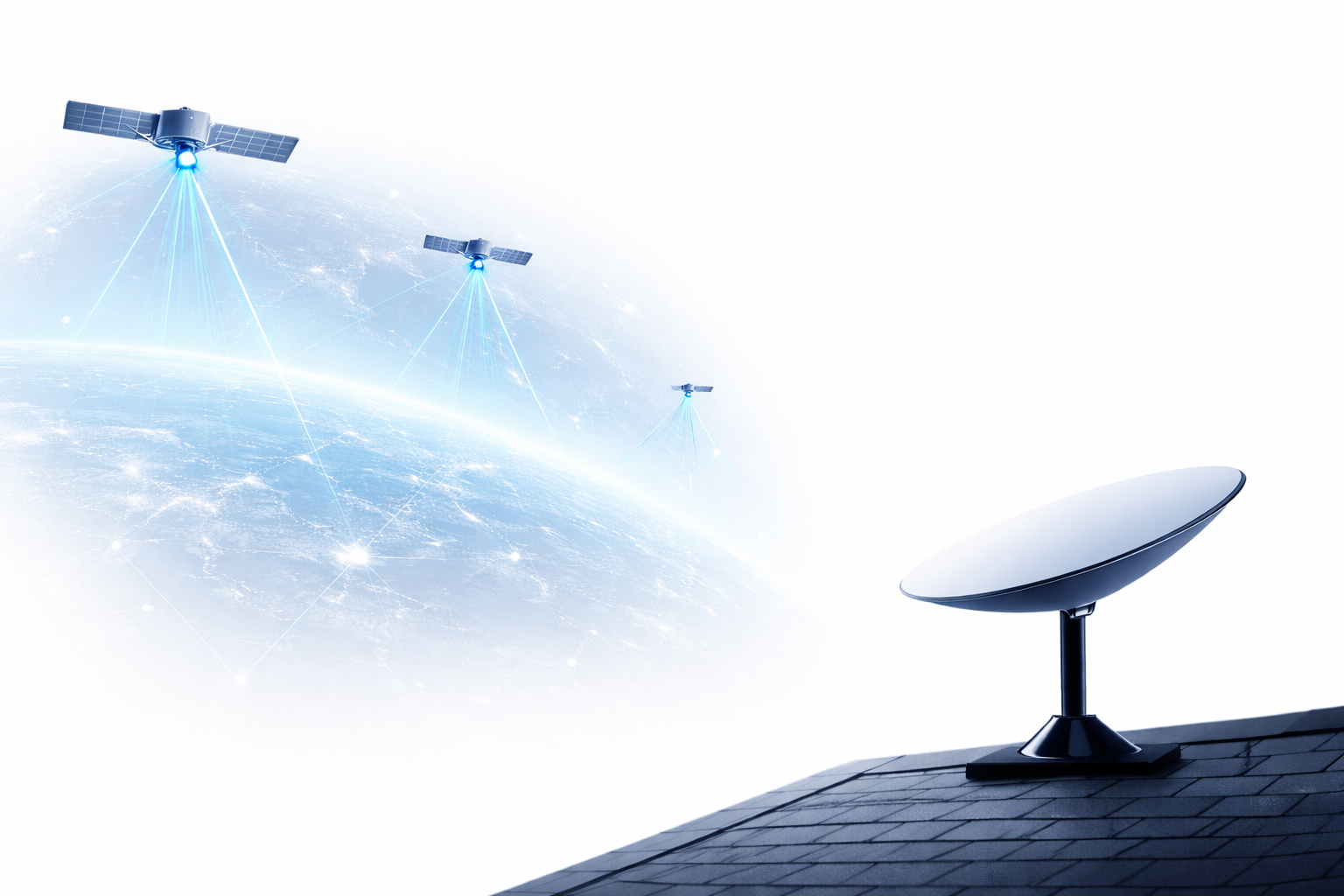
A satellite phone (also known as a mobile satellite phone) is a mobile device that uses signals from satellites in space instead of relying on terrestrial telecommunication networks. Instead of connecting through broadcast towers like conventional mobile phones, satellite phones transmit signals directly to orbiting satellites, which then relay the signals to ground stations to make calls, send messages, or connect to the internet.
By connecting directly to satellites, satellite phones can operate in areas without mobile signals, including remote, undeveloped areas, mountainous regions, or during natural disasters that disrupt network infrastructure.
2. How Do Satellite Phones Work?
Satellite phones operate by using satellite signals to transmit information rather than relying on terrestrial communication infrastructure. They connect to satellites via radio waves, helping to maintain connectivity even in harsh geographical conditions.
There are two main types of satellites used in satellite phone systems:
- GEO (Geostationary Earth Orbit) Satellites: These satellites are located at an altitude of about 35,786 km above the Earth and maintain a fixed position relative to the Earth's surface. Satellite phones using GEO satellites can maintain stable connections, but often experience higher latency because the signal has to travel a long distance.
- LEO (Low Earth Orbit) Satellites: These satellites are at lower altitudes (500-2,000 km) and move quickly across the sky. LEO satellites help reduce signal latency and improve call quality, but require many satellites operating simultaneously to maintain continuous connectivity.
3. Benefits of Satellite Phones
a. Stay Connected in Remote Areas
Satellite phones enable users to stay connected in areas without traditional mobile networks. For areas such as remote, undeveloped regions, high mountains, islands, or disaster-stricken areas where terrestrial telecommunication networks cannot provide coverage, satellite phones become the only option for maintaining connectivity.
b. Safety and Emergencies
Satellite phones are a life-saving tool in emergency situations, especially during natural disasters like earthquakes, floods, or infrastructure failures. When terrestrial mobile networks are no longer operational, satellite phones can still connect to satellites to send SOS signals, call for rescue, or report emergency situations.
c. Cost Savings for Businesses
Businesses operating in areas without telecommunications infrastructure can save significant costs by using satellite phones instead of building a traditional telecommunications infrastructure network. Businesses in sectors such as maritime, exploration, transportation, and rescue often use satellite phones to maintain contact with their headquarters.
d. Ease of Use
Modern satellite phones today have features similar to regular mobile phones and are very easy to use. Users only need a satellite device and a suitable service plan to start connecting. These phones support many features such as sending messages, making phone calls, and even internet connectivity on some models.
4. Practical Applications of Satellite Phones
a. Travel and Exploration
Satellite phones are an indispensable tool for those involved in exploration, trekking, or traveling to remote and rugged areas. Trips to mountains or remote areas without mobile phone coverage become safer with the support of a satellite phone.
b. Maritime and Aviation Industries
For ships and aircraft traveling through distant sea areas or airspace without mobile coverage, satellite phones are essential devices for maintaining communication between ships, aircraft, and ground control stations.
c. Rescue and Emergency Management
Satellite phones are important tools in rescue operations and emergency support. Rescue teams, military forces, and international aid organizations regularly use satellite phones to maintain communication in emergency situations.
5. Things to Consider When Buying a Satellite Phone
a. Costs and Service Fees
Although satellite phones have a relatively high initial cost compared to regular mobile phones, they are a long-term solution for maintaining communication in areas without mobile coverage. Satellite service fees are also relatively high, so users need to consider choosing a service plan that suits their usage needs.
b. Line of Sight and Location
Satellite phones require a clear line of sight to the sky to maintain connection with the satellite. Therefore, in areas obstructed by tall buildings, mountains, or dense forests, the satellite phone signal may be interrupted.
c. Latency and Connection Speed
Some satellite phones, especially those using GEO satellites, have higher signal latency than regular mobile phones. However, with the advancement of technology and the use of LEO satellites, latency and connection speed have been significantly improved.
6. Conclusion
Satellite phones are an important technology that helps maintain communication in areas inaccessible by traditional cellular networks. With global connectivity, satellite phones are not only useful in emergency situations but also help users stay connected when in remote areas, improving work efficiency and ensuring safety for expeditions, travel, and professional work.
Although the cost of use may be higher than that of regular mobile phones, the benefits that satellite phones bring to users in harsh conditions are extremely valuable.