 English
  Tiếng Việt
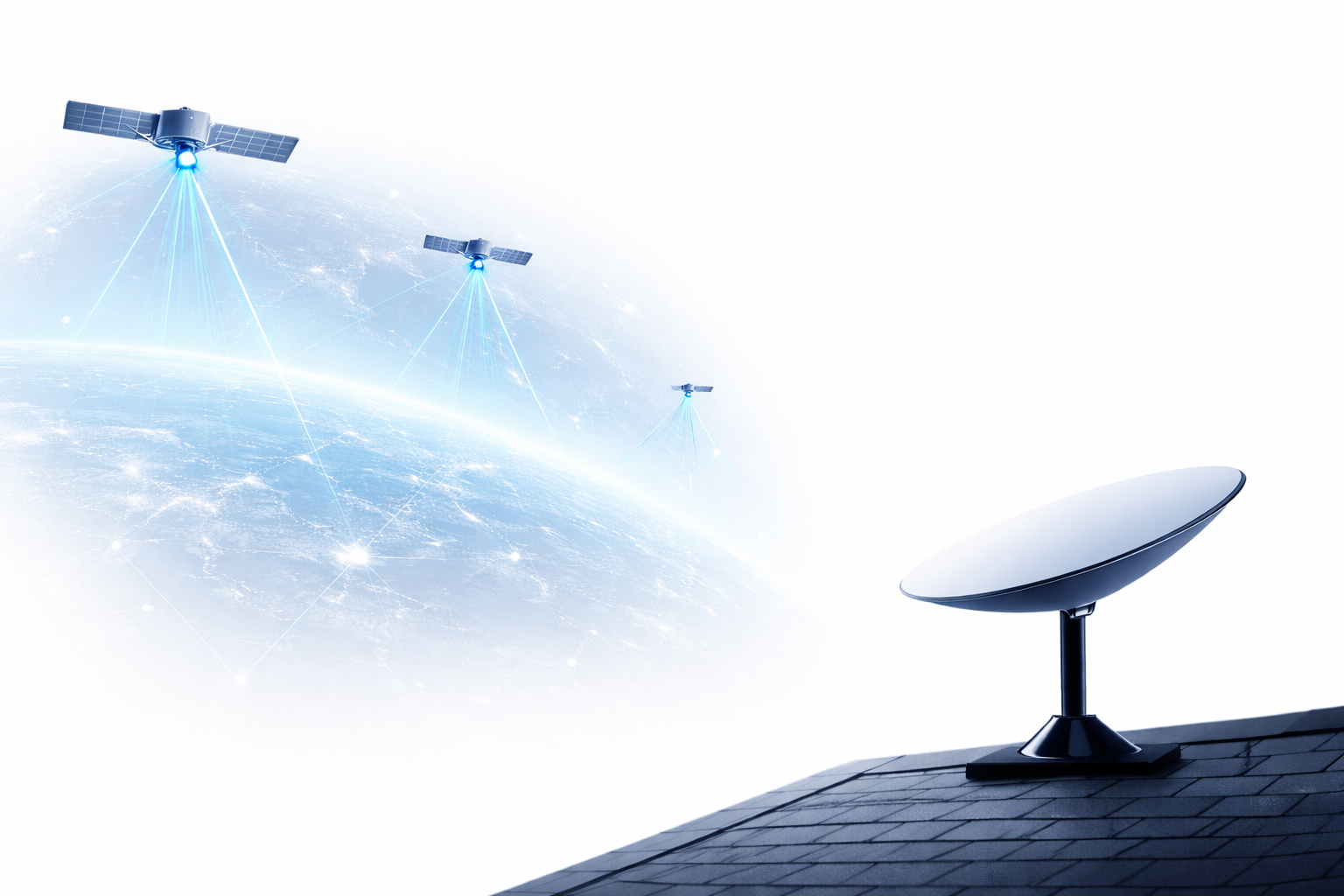
 In the 4.0 technology era, technology and satellites, allowing IoT devices to be connected and transmit data via satellite instead of mobile networks or ground infrastructure. This is particularly useful in remote areas where mobile or stable internet networks are unavailable, enabling easy and efficient device connection and data transmission. has become an important part in many fields, from agriculture to transportation and healthcare. One of the notable developments is connectivity, satellite IoT, a combination of satellite technology and IoT, offering global connectivity for devices in hard-to-reach areas. So, what is satellite IoT? How does it work? This article will explain in detail about how satellite IoT works from A-Z.
A satellite
1. What is Satellite IoT?
connectivity, satellite IoT is the combination of technology and satellites, allowing IoT devices to be connected and transmit data via satellite instead of mobile networks or ground infrastructure. This is particularly useful in remote areas where mobile or stable internet networks are unavailable, enabling easy and efficient device connection and data transmission. and satellites, allowing smart devices to connect via satellites instead of using traditional mobile networks like 4G or Wi-Fi. This provides the ability to connect IoT devices anywhere on Earth, even in remote areas lacking network infrastructure.
Satellite IoT enables devices such as environmental sensors, remote monitoring equipment, and agricultural and transportation devices… to send and receive data via satellite without the support of ground networks.
2. How satellite IoT works
a. IoT Devices (Sensors and End Devices)
First, IoT devices (sensors, machines, monitoring devices) collect data from the surrounding environment. For example, a sensor on a ship can collect information about GPS location, temperature, humidity, or ship status. These sensors can be installed on mobile devices, measurement stations, or in agricultural environments.
These IoT devices are often equipped with radio frequency transceivers to communicate with satellites. When the device collects data from the sensor, it prepares to send this information to the satellite.
b. Data transmission via satellite
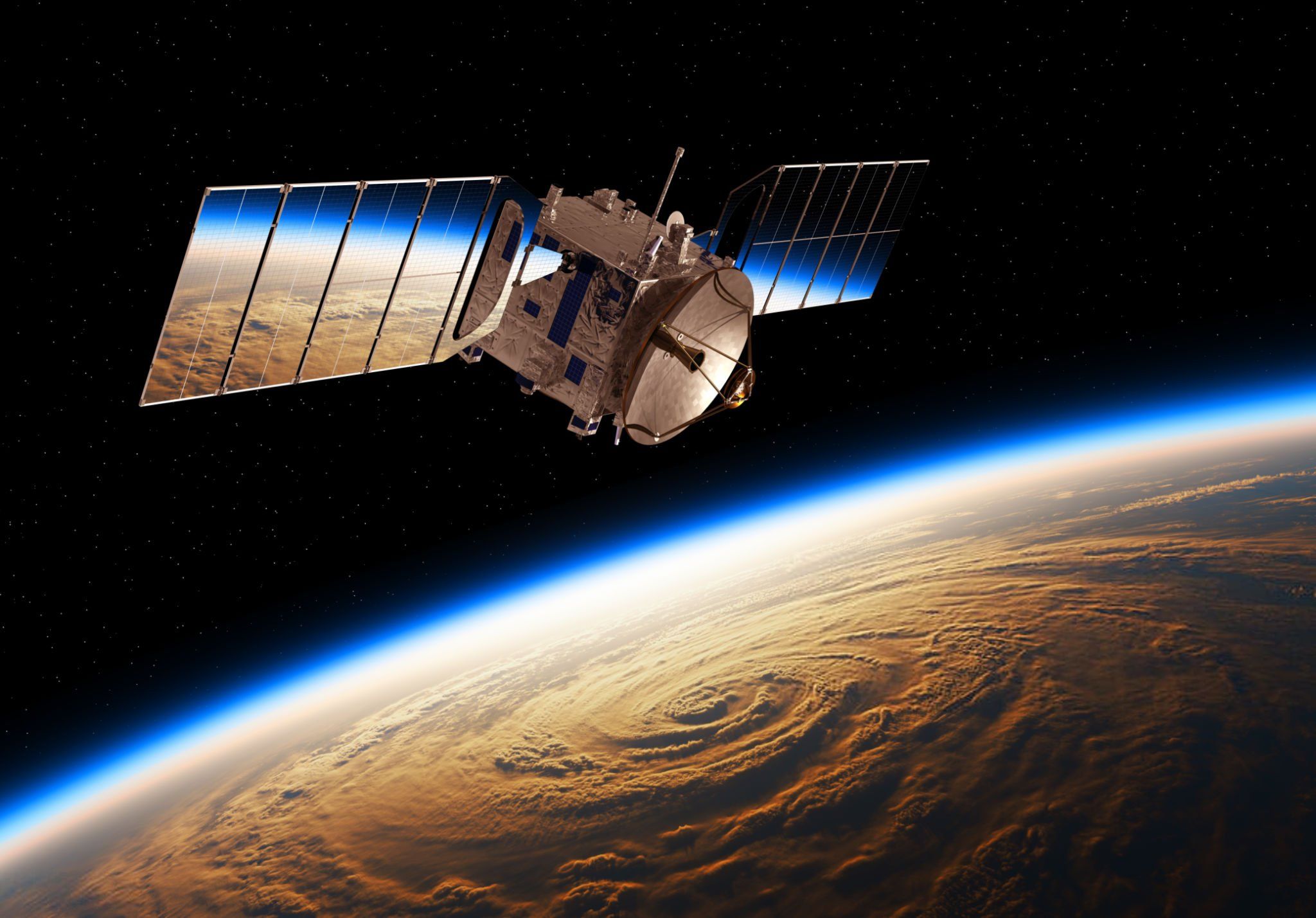
After the data is collected, the IoT device will transmit this data to satellites in Earth's orbit. The satellite acts as a "bridge" between the IoT device and the ground station.
There are 2 main types of satellites used in connectivity, satellite IoT:
- Low Earth Orbit (LEO) satellites: These satellites are located at altitudes from 500 to 2,000 km above the Earth. They help reduce latency and increase the ability to transmit data quickly. Companies like , especially known for its goal of providing high-speed Internet service to remote and isolated areas. With a network of thousands of small satellites (low Earth orbit – LEO) launched into space, with project is a prime example of using satellites to bring broadband Internet to remote areas and regions with limited network connectivity. use this type of satellite.
- Medium Earth Orbit (MEO) satellites and high Earth orbit (GEO) satellites: These satellites are at a higher altitude, but have higher latency compared to LEO.
Data from IoT devices will be sent to the satellite via radio waves. From here, the satellite transmits data through electromagnetic waves to play a vital role in satellite monitoring. These stations receive signals from satellites and relay information about the satellite's status to control centers. These receiving stations are distributed globally to ensure continuous monitoring..
c. Ground stations and data processing
Ground stations are where data from satellites is received and processed. These stations receive signals from the satellite and forward the data to control centers or databases. The data can then be analyzed, processed, and provide feedback to IoT devices.
This process is fast and efficient, helping IoT devices receive updated information and make accurate real-time decisions.
3. Practical applications of satellite IoT
connectivity, satellite IoT brings great benefits to many industries and specific applications. Here are some examples of practical applications of this technology:
a. Smart agriculture
In agriculture, connectivity, satellite IoT helps monitor and track environmental conditions such as soil moisture, temperature, and crop status in areas without mobile networks. This allows farmers to optimize irrigation, fertilization, and crop care.
b. Transportation and Logistics
Transportation and logistics companies can use connectivity, satellite IoT to track the location and status of transport vehicles, even when they are traveling through seas or remote areas. This helps optimize routes, minimize risks, and enhance fleet safety.
c. Energy management
Satellite IoT can be used to monitor renewable energy stations such as solar and wind energy, especially in remote areas. Data collected from sensors is sent via satellite to control centers for analysis and timely decision-making.
d. Search and Rescue
Satellite IoT is also very useful in search and rescue operations. Rescue teams can use IoT devices to track the location of victims, send SOS signals, and receive updates, thereby enhancing the efficiency of rescue efforts.
4. Benefits of Satellite IoT
a. Global Connectivity
Một trong những lợi ích lớn nhất của connectivity, satellite IoT is its ability to connect anywhere on Earth, even in areas without mobile or Wi-Fi networks. This helps expand the application possibilities of IoT in various fields.
b. Flexibility and High Reliability
Satellite IoT offers flexible and reliable connectivity. No matter where you are, IoT devices can still send and receive data quickly and accurately. This ensures continuous and efficient operation in applications such as environmental monitoring and resource management.
c. Cost Savings
Satellite IoT helps reduce the cost of investing in mobile network infrastructure. IoT devices can use satellite connectivity instead of deploying 4G, 5G, or Wi-Fi networks, saving costs for companies, especially in remote areas.
5. The Future of Satellite IoT
connectivity, satellite IoT has great potential in the future. Tech companies like , especially known for its goal of providing high-speed Internet service to remote and isolated areas. With a network of thousands of small satellites (low Earth orbit – LEO) launched into space, , Amazon and https://youtu.be/0bp-CMfEXIM?si=wsvqghipOHl39qrh is deploying new satellites with faster data transmission capabilities, wide bandwidth, and global coverage. This will open up many new opportunities for IoT applications in industries such as agriculture, transportation, and energy.

Small Satellites
Conclusion
How satellite IoT works combines advanced technological elements to create an unlimited connection system, bringing many potential applications in various fields. The use of satellites to transmit data opens up a future of global connectivity, helping to boost work efficiency and solve challenges that ground networks cannot meet. connectivity, satellite IoT will undoubtedly continue to play an important role in the development of the global economy in the coming years.