
 English
  Tiếng Việt
 🛰️ Satellite Orbits: Geostationary, Polar, and Low Earth – Differences and Applications
Satellites differ not only in shape or function, but also in thetype of orbit they operate inwhich determines their effectiveness, scope, and purpose. In this article, we will explore the 3 most common orbits:
🔹 Geostationary Orbit (GEO)
🔹 Polar Orbit
🔹 Low Earth Orbit (LEO)
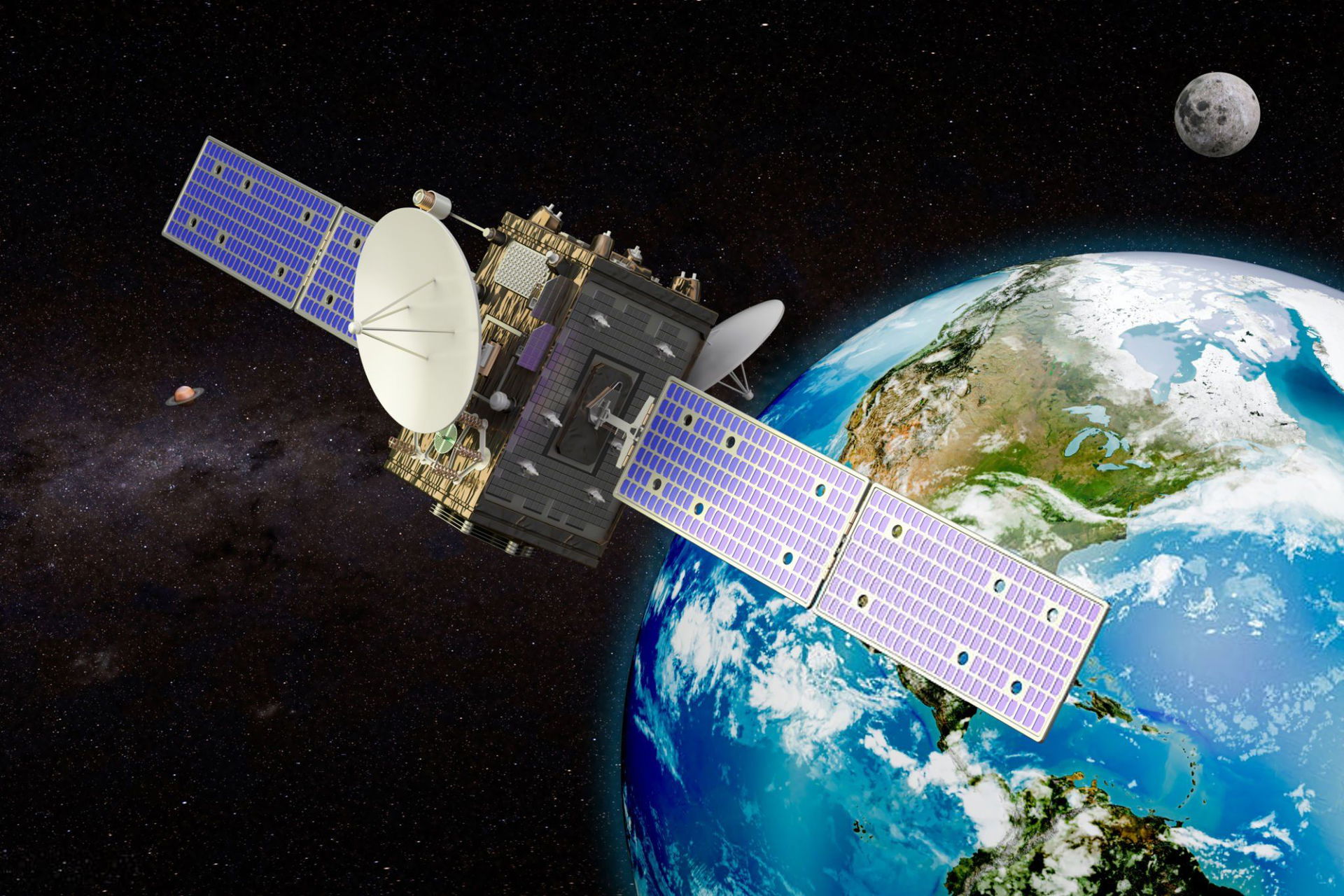
Satellite Orbits
🌍 1. Geostationary Orbit – GEO
Geostationary orbitis located at an altitude of approximately35,786 kmabove the ground. Satellites in this orbit revolve at the same speed as the Earth, so they always appear “stationary” relative to a fixed point on the ground.
🎯 Applications:
-
📡 Telecommunications: television, radio, global internet
-
⛅ Weather Forecasting: continuous regional meteorological observation
✅ Advantages:
-
Signal continuous and stable
-
Suitable for applications real-time tracking
🧭 2. Polar Orbit
Polar satellites move from the North Pole to the South Pole, nearly perpendicular to the equator. As the Earth rotates, the satellite will scan the entire surface of the planet after each cycle.
🎯 Applications:
-
🌾 Earth Observation: environmental monitoring, agriculture, climate
-
☁️ Global weather forecasting, storm and disaster tracking
✅ Advantages:
-
Coverage the entire surface of the Earth
-
Provides high-resolution imagesfor in-depth research
🌐 3. Low Earth Orbit (LEO)
Low orbitis located approximately160 km – 2,000 kmabove the ground. LEO satellites have high flight speeds, completing 1 orbit around the Earth in about90 – 120 minutes.
🎯 Applications:
-
📶 Telecommunications: satellite phone networks, high-speed Internet
-
🌎 Disaster Monitoring, forest tracking, oceans, scientific research
✅ Advantages:
-
Low signal latencyquick response
-
Images and data havehigh detail
📊 Quick Fund Comparison Chart
| Criteria | GEO – Geostationary | Polar – Polar | LEO – Low Earth Orbit |
|---|---|---|---|
| 🛰️ Altitude | ~35,786 km | 200 – 1,000 km | 160 – 2,000 km |
| 🔄 Orbital Period | 24 hours | 90 – 120 minutes | 90 – 120 minutes |
| 📶 Signal | Stable, but with latency | Global coverage | Fast response, low latency |
| 🎯 Main Applications | Telecommunications, weather | Research, environment | Telecommunications, detailed observation |
🧠 Conclusion: Which Orbit to Use for What Purpose?
-
✅ GEO: Ideal for applications requiring stable and continuous connectivity – such as television broadcasting, satellite internet, and weather monitoring.
-
✅ Polar: Suitable for global observation, environmental, and climate change monitoring tasks.
-
✅ LEO: Good for high-speed data transmission needs and fast response – such as satellite phones and field monitoring.
🔗 Want to learn more about devices operating on these satellite orbits?
Visit Vetinhnet.com now for consulting and suitable solutions for your business or personal needs!