
 English
  Tiếng Việt
 In the context of rapidly developing technology, fast and stable internet connection is not only a need but also a crucial factor determining the development of many countries. However, not all countries can build a strong enough ground-based internet infrastructure to serve all regions, especially remote and far-flung areas. Therefore, satellite internet technology has emerged as an optimal connection solution. So, which countries are leading in this field? Let's explore the pioneering countries in satellite internet technology and the outstanding projects they are implementing.
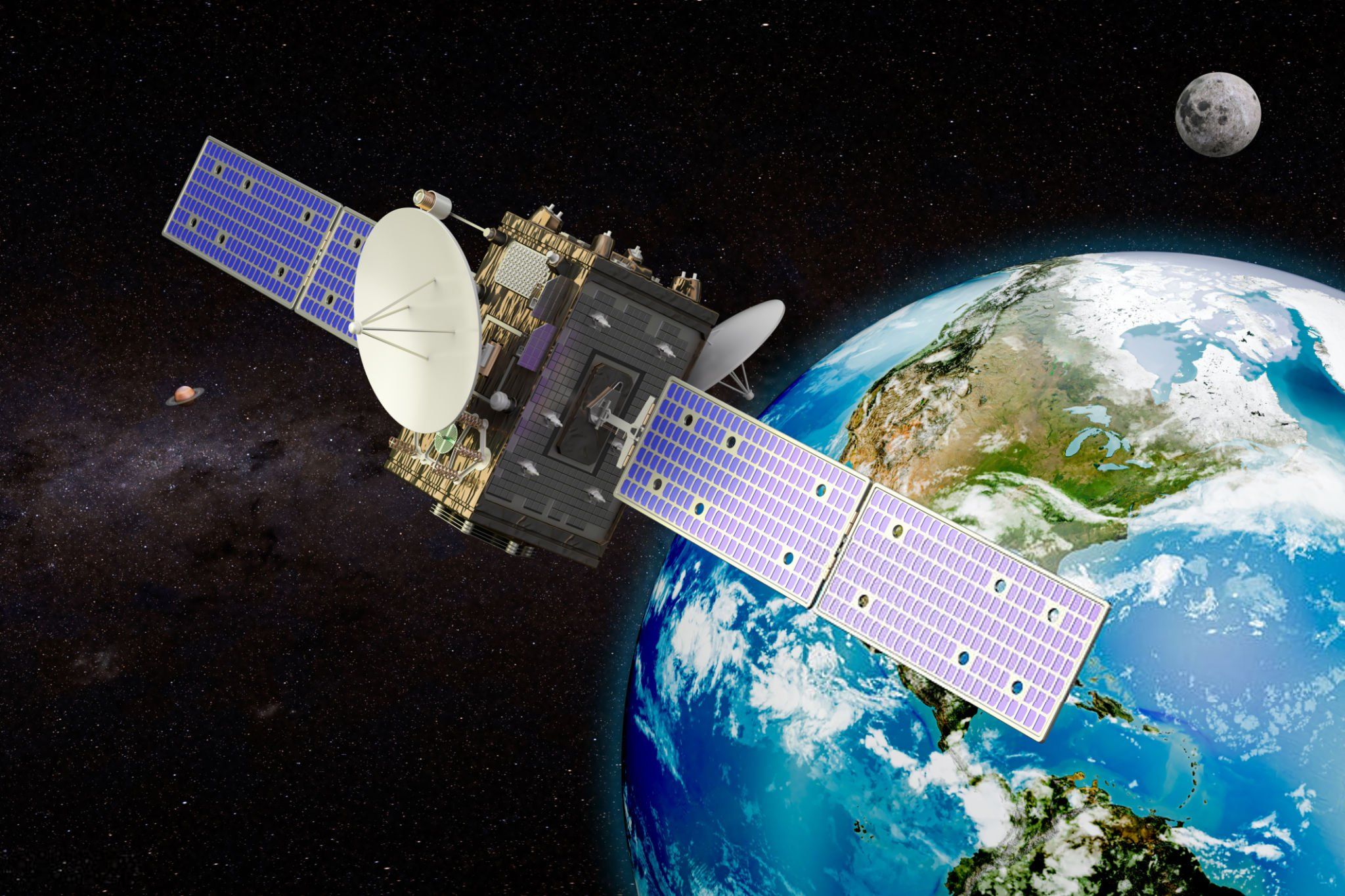
satellite internet
1. United States – Satellite internet superpower thanks to SpaceX and Starlink
Elon Musk's SpaceX is one of the biggest names in space technology and has contributed to changing the landscape of the satellite internet technology industry. SpaceX's Starlink project was born with the goal of providing broadband internet service via satellite, especially for remote and hard-to-reach areas.
Starlink operates by deploying a network of low Earth orbit (LEO) satellites, enabling fast and stable internet signal transmission. This project has attracted great attention, not only because of its scale but also because of its profound impact on the technology industry, from connecting rural areas in the US to remote regions in Africa and South America.
With over 4,000 satellites launched and plans to expand to 42,000 satellites in the future, the United States holds a leading position in satellite internet technology. This not only enhances global connectivity but also opens up great opportunities for other services such as remote education, remote healthcare, and global business.
2. Russia – Space exploration and domestic satellite network development
Russia joined the race for satellite internet technology very early and is now one of the notable countries in this field. With long-term efforts in satellite technology research and development, Russia has implemented projects such as Rodnik, aiming to provide internet to remote and hard-to-reach areas.
Rodnik is a new-generation Russian satellite system, not only serving military purposes but also expanding internet services to residents in remote areas. Besides, Russia is also pushing forward plans to develop new technology satellites, promising to continue to be a strong competitor in the global satellite technology race.
3. China – Developing satellite systems to enhance internet connectivity
China is making strong strides in developing satellite technology and using them to provide internet services. China's Tiantong satellite system is designed to provide broadband communication services and internet connectivity to rural, island, and remote areas.
In addition to strengthening domestic connectivity, China is also implementing major plans to develop international satellite systems. These satellites will not only serve domestic needs but also help enhance global connectivity, especially in areas lacking telecommunications infrastructure.
With support from major technology corporations like China Aerospace Corporation (CASC), China is expected to continue expanding its satellite network and developing advanced technologies to meet future global connectivity demands.
4. India – Efforts to bridge the connectivity gap with satellites
India, with its large population and many areas not yet stably connected to the internet, has recognized the importance of satellite internet technology. Although it does not have a large satellite project like Starlink or Tiantong, major Indian telecommunications companies, such as Bharti Airtel and Tata Communications, are collaborating with international companies to deploy satellite internet services for remote areas.
India's GSAT satellite system, developed by ISRO (Indian Space Research Organisation), is being used to provide internet services to hard-to-reach areas. Recently, India has also participated in cooperative projects with companies like SpaceX and OneWeb to develop satellite internet services, helping to provide comprehensive connectivity for the country.
With these initiatives, India is gradually developing strongly in the field of satellite technology, contributing to reducing the digital divide and promoting economic and social development.
5. European Union – Cooperation to build a global satellite network
The European Union (EU) has decided to invest heavily in satellite internet technology to promote digital development across the region. One of the EU's key initiatives is the IRIS² project, which aims to build a global satellite system to provide high-speed internet to every corner of the world.
EU countries, particularly France and Germany, are collaborating closely with technology companies to develop the satellite network, while also implementing strategies to enhance broadband connectivity for remote areas in Europe and other countries. The EU's Galileo project, although primarily a navigation satellite system, will also contribute to improving global internet connectivity.
6. Japan – Slow but steady start with satellite internet
Japan may not be a pioneer in satellite internet development, but it has been very active in applying satellite technology to internet services for areas lacking telecommunications infrastructure. Sky Perfect JSAT, Japan's leading satellite company, has been providing satellite internet services to remote regions and for business applications.
In addition, Japan is also developing new satellite technologies, especially in the field of low Earth orbit (LEO) satellites, which help improve the quality and speed of internet connections.

Conclusion:
Satellite internet technology is changing the way we connect with the world, not only helping countries improve their quality of life but also contributing to global economic and social development. Countries like the United States, Russia, China, India, the European Union, and Japan are all actively developing advanced satellite technologies to serve the demand for unlimited connectivity.
In the future, with the strong development of satellite technology, we will witness a more connected world, where no region is left behind, and the internet will become an available resource for everyone, no matter where on Earth.