 English
  Tiếng Việt
 Unlimited connectivity technology everywhere
To understand why satellite WiFi hotspots are considered "unlimited," let's explore how this technology works in detail and with excitement:
A satellite
1. Satellite Network – The "Internet Cloud" in the Sky
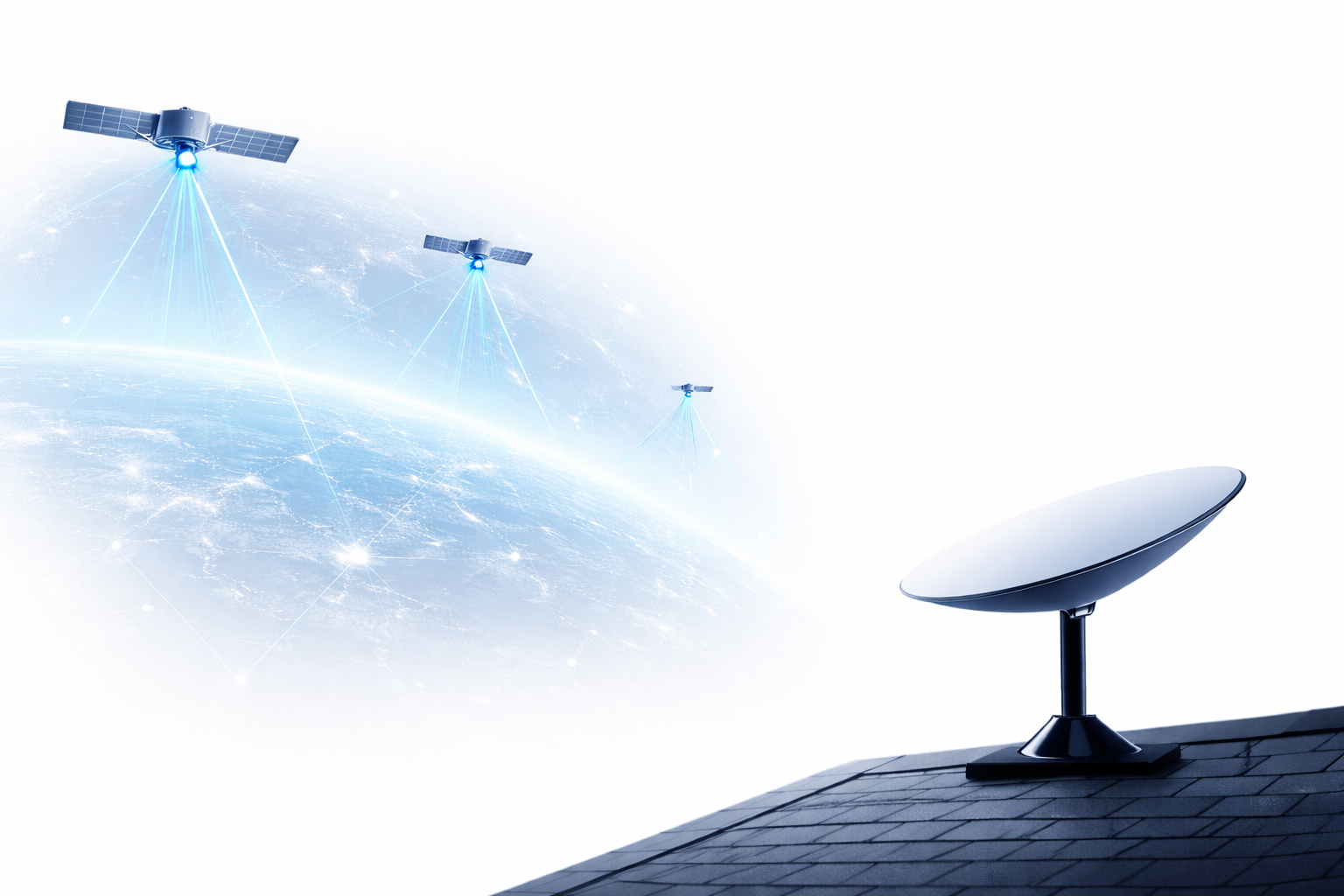
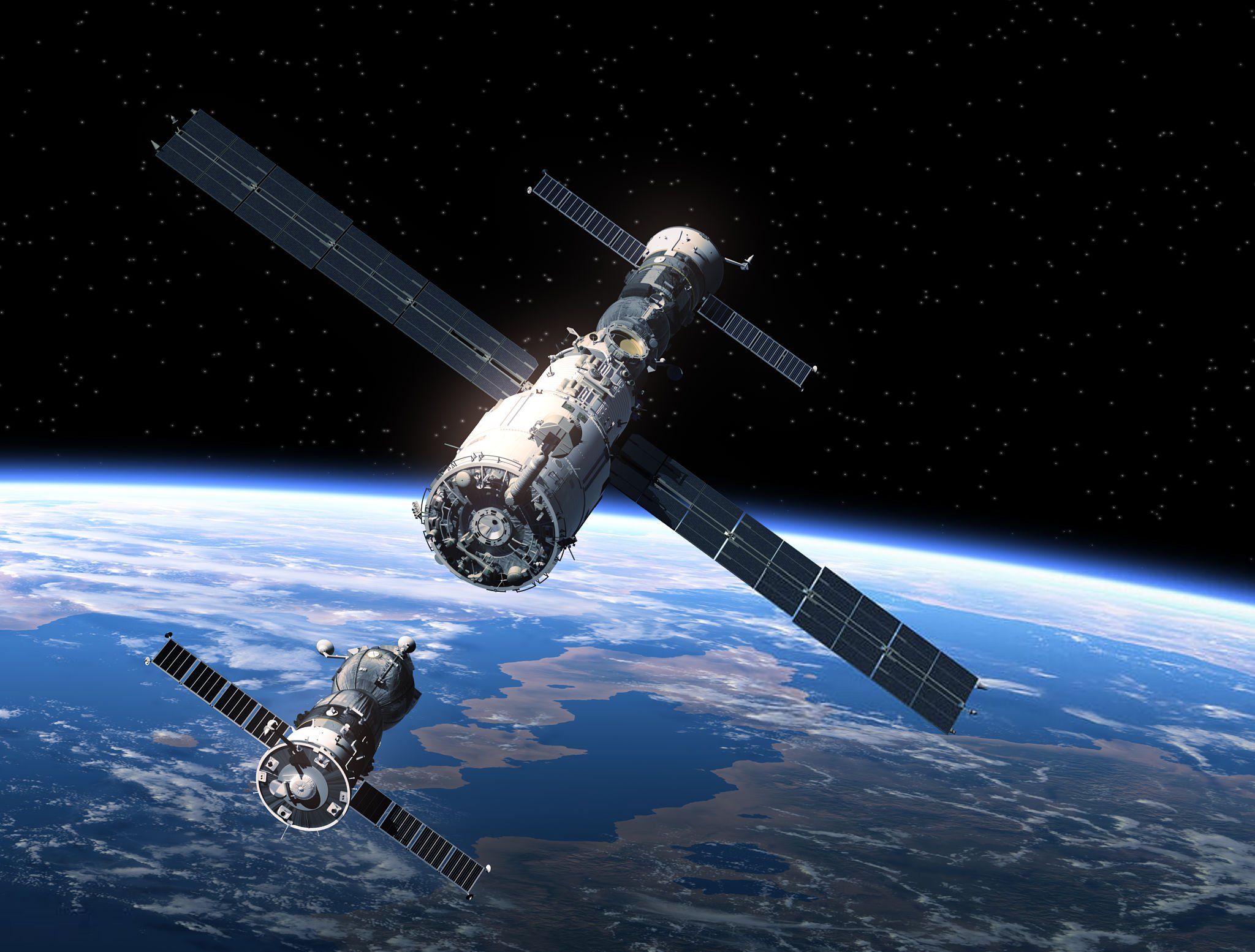
- Low Earth Orbit (LEO) satellites: Systems like Starlink (SpaceX), OneWeb, or Iridium use thousands of small satellites flying at altitudes of 200-1,200 km. They form a dense network, interconnected by radio waves or optical lasers, ensuring near-global coverage.
- Compared to old satellites (GEO): Geostationary (GEO) satellites at 36,000 km can only cover fixed areas and have high latency (600ms+). LEO reduces latency to 20-40ms, nearly on par with fiber optic networks, sufficient for gaming or video calls.
- Flexible coverage: Because satellites move continuously and in large numbers, you can connect from anywhere, as long as the antenna has a clear view of the sky.
2. Satellite Antenna – The "Gateway to Space"
- Phased-array technology: Modern antennas (like Starlink's) do not require mechanical rotation. It uses hundreds of small antennas inside to automatically "scan" and lock onto the signal from the nearest satellite in an instant.
- Automatic adjustment: As satellites pass overhead, the antenna continuously switches to another satellite without interrupting the connection. This process is called "hand-off," and it's so fast that you won't even notice it.
- Compact Size: The antenna is now only the size of a laptop (like Starlink Mini), making it easy to carry, a far cry from the bulky satellite dishes of the past.
3. WiFi Hotspot – The "Heart" of the System
- Signal conversion: The antenna receives data from the satellite in the form of high-frequency radio waves (Ku-band, Ka-band), then the router decodes it into digital data and emits WiFi signals (2.4GHz/5GHz).
- Speed and Range: Depending on the system, speeds can range from 50 Kbps (for basic communication) to 300 Mbps+ (like Starlink), with WiFi range covering tens of meters, sufficient for group use.
- Smart Management: The router usually has a processing chip to optimize bandwidth, reduce interference, and allocate connections to multiple devices.
4. Connection Process – A Perfect Circle
- You turn on the antenna and router → Antenna finds the satellite → Satellite links with the ground station → Ground station sends data via satellite to the antenna → Router creates WiFi → You access the internet.
- All it takes is a few minutes to set up, and then you have a stable connection whether you're in the middle of a forest or on a yacht offshore.
Why is it called "unlimited"?

Network connectivity
- Geography is No Longer a Barrier: No cables, no cell towers – just a clear sky. From frozen Alaska to burning Sahara, the internet still reaches you.
- Diverse applications: Backpacking, remote work, disaster relief, scientific research in polar regions – everything is possible.
- Scalability: Companies like SpaceX are launching more satellites each month, promising faster speeds and denser coverage in the future.
Reality and Challenges
- Advantages: High speed (compared to old satellites), low latency, easy installation, wide coverage.
- Limitations:
- Equipment and subscription costs are still high (e.g., Starlink Mini $599 + $50/month).
- Signal can be weak during heavy rain or in areas with dense tree cover.
- Data capacity can sometimes be limited depending on the service plan.
Vivid example
Imagine camping in the Dong Van Karst Plateau, Vietnam – a place with no mobile signal. You place Starlink Mini on a rock, power it from a power bank, and 5 minutes later, the whole group is watching Netflix, sending work emails, just like being in the city. That's the power of a satellite WiFi hotspot – it removes geographical limitations, bringing the world to your fingertips!
If you want to know more about choosing specific equipment or technical details, feel free to ask me!