 English
  Tiếng Việt
 In an increasingly connected world, maintaining communication in remote and isolated areas is crucial, especially for adventurers, rescue teams, or outdoor enthusiasts. Satellite phones are one of the best solutions to address this. But how do satellite phones work? In this article, we will explain in detail how satellite phones work from A to Z.
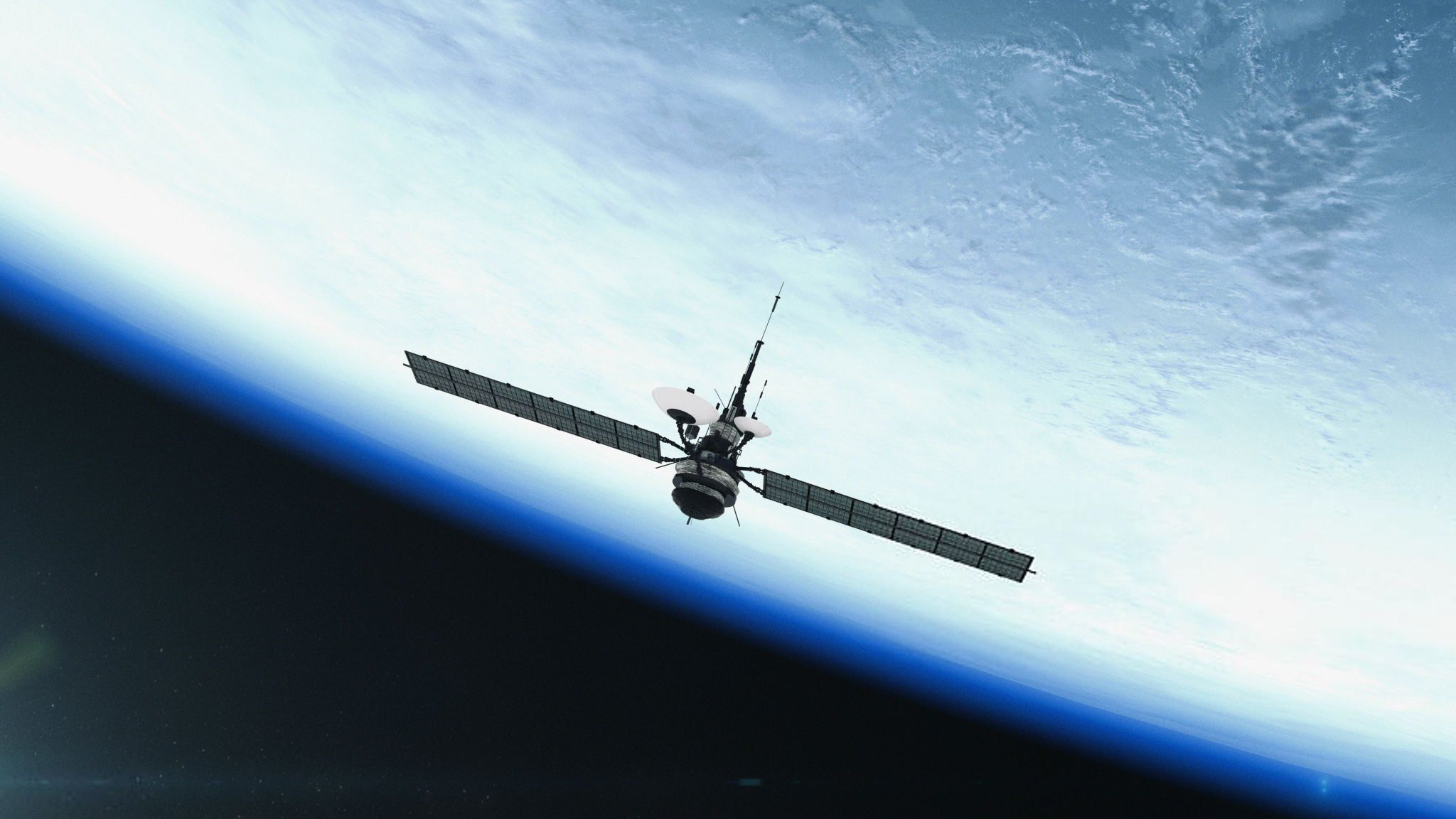
A satellite
What is a Satellite Phone?
Before diving into how it works, we need to understand what a satellite phone is. A satellite phone is a communication device that uses satellites in space to transmit signals, instead of ground-based base stations like in conventional mobile phone systems. This means satellite phones can operate anywhere in the world, even in places without mobile signal.
How Satellite Phones Work: Basic Steps
1. Signal Transmission from the Phone
When you use a satellite phone, the signal is sent from your device to a satellite in orbit. Satellite phones can connect directly to the satellite without going through ground-based base stations.
- Signal is sent from the satellite phone: When you press the call button or send a signal, the satellite phone will emit an electronic signal (radio wave) into space.
- Operating Frequency: Satellite phones typically operate on special frequencies, different from regular mobile phones. They use frequencies in the UHF (Ultra High Frequency) or L-band to transmit signals over long distances without being affected by environmental factors.
2. Signal Relayed by Satellite
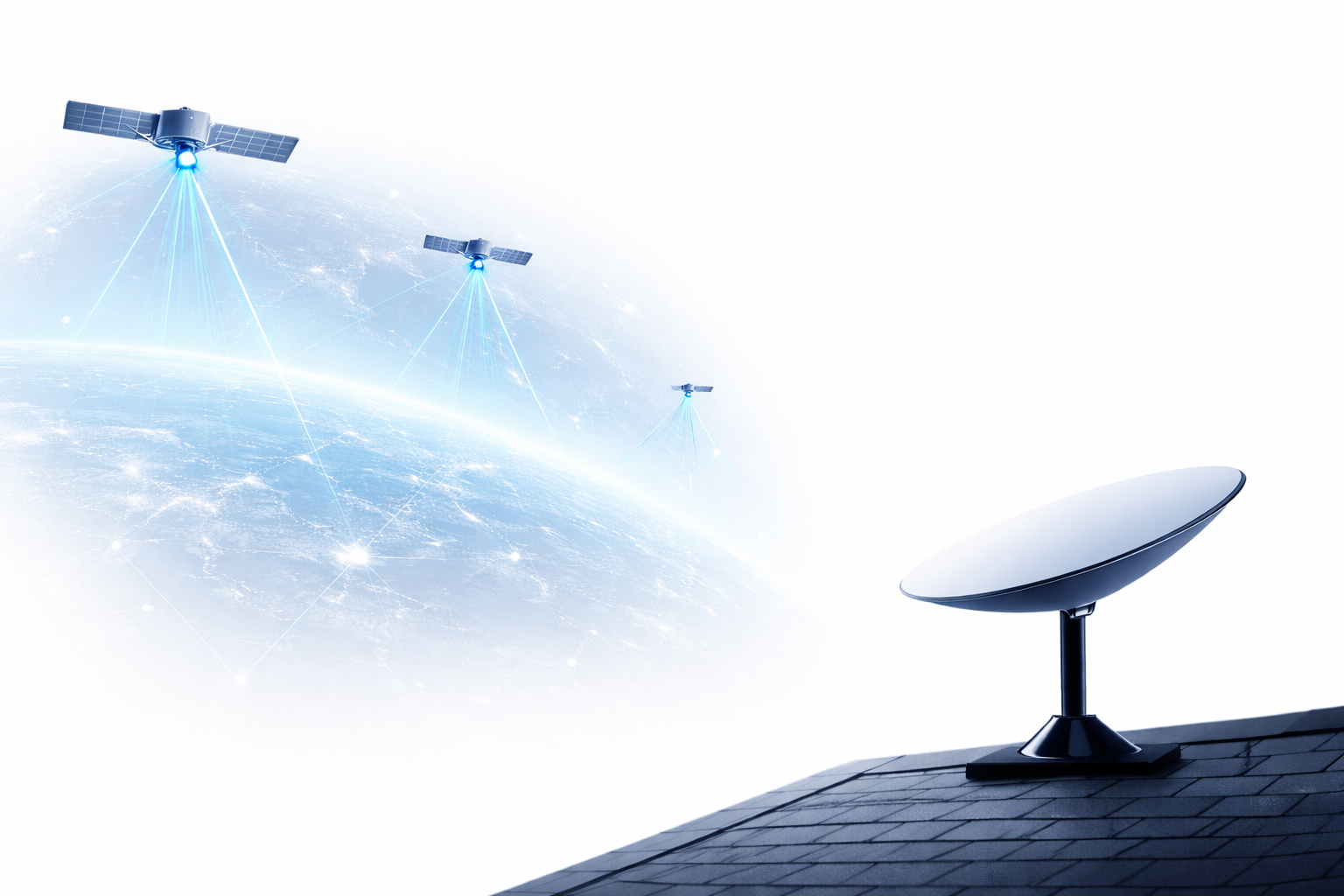
When the signal is sent, it is received and relayed by the satellite. Satellites in space are specifically designed to receive and reflect signals from satellite phones down to Earth. There are three common types of satellites used for satellite services:
- Low Earth Orbit (LEO) satellites: These are satellites that operate at low altitudes, about 500-2,000 km from the Earth's surface.
- Medium Earth Orbit (MEO) satellites: At a distance of 10,000 to 20,000 km.
- High Earth Orbit (GEO) satellites: Operating at an altitude of about 35,786 km.
Low and medium Earth orbit satellites usually have low signal latency, while high Earth orbit satellites have wider coverage but greater latency.
3. Signal Is Forwarded to a Ground Station or End Device
After the satellite receives and relays the signal, it is transmitted to a ground station or sent to another device (such as a satellite phone or satellite phone) in another area. The ground station will receive the signal from the satellite and send it to the recipient, or transmit it to other communication devices, such as satellite phones.
- Sending a signal to the receiving device: The ground station or satellite sends a signal to the recipient's satellite phone. This signal can be a voice call or text data.
- Distance Limitations: Satellite phones can transmit signals for thousands of kilometers thanks to satellites. This allows you to stay in touch even in areas where mobile signals cannot reach.
4. Receiving Signals From the End Device
When the recipient receives the signal, it is decoded and displayed on the satellite phone's screen. You will be able to hear the voice call or read the message depending on the type of service your satellite phone supports.
Factors Affecting How Satellite Phones Work
Although satellite phones can work anywhere in the world, there are still some factors that affect their performance and connectivity:
- Geographical Location: Areas near large cities may have stronger satellite signals. However, in high mountainous areas or canyons, the signal may be blocked by geographical obstacles.
- Weather Conditions: Bad weather conditions, especially heavy rain or storms, can degrade signal quality from satellites.
- Satellite Type: Depending on the type of satellite (LEO, MEO, GEO), the distance and coverage can vary, affecting the connectivity of satellite phones.
Advantages and Disadvantages of Satellite Phones
Advantages:
- Global Communication: Satellite phones can operate anywhere in the world, not limited by cellular networks.
- High reliability: Easily maintain communication even in emergency situations or in areas with poor infrastructure.
- Usable in All Weather Conditions: Satellite phones can operate in all weather conditions, from remote areas to harsh environments.
Disadvantages:
- High cost: The cost of using satellite phones can be quite expensive, including the cost of purchasing equipment and service fees.
- Low Data Transfer Speed: Although satellite phones can provide good voice communication, the data transfer speed cannot yet be compared to terrestrial internet connections.
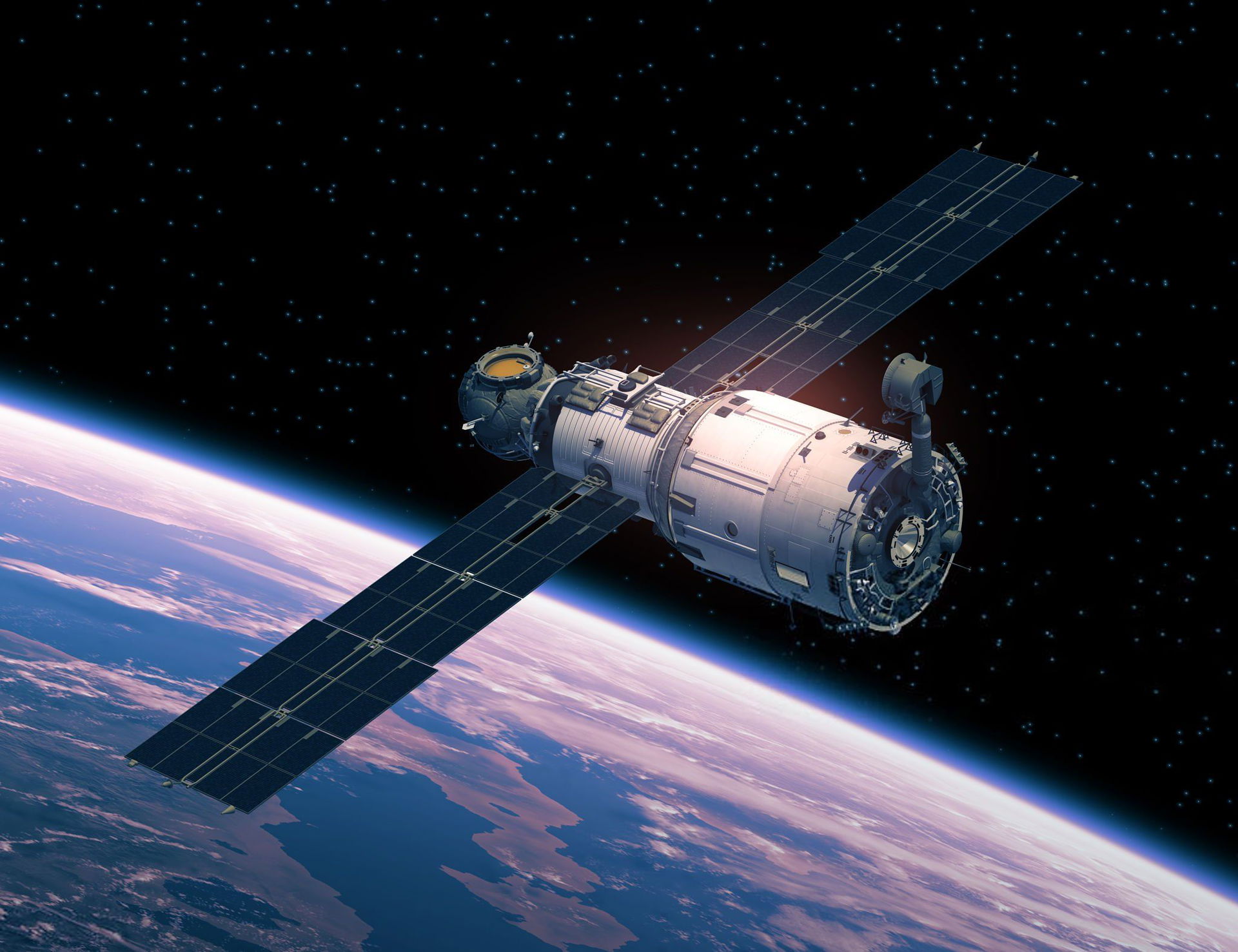
A satellite
Conclusion
With the ability to provide communication anytime and anywhere, satellite phones are increasingly becoming important tools in many fields, from exploration and rescue to emergency missions. Understanding how satellite phones work will help you more accurately assess the utility it brings in maintaining communication when there is no mobile network. Satellite phones are an ideal solution, especially in situations requiring secure and effective connectivity.