 English
  Tiếng Việt
 Satellite Walkie-Talkie: Can It Be Used in the City?
Have you ever wondered if satellite walkie-talkies – often seen in the wilderness or at sea – work in the city? The answer is yes, but it's not always as straightforward as you might think. Let's explore how this tool performs amidst the urban jungle!
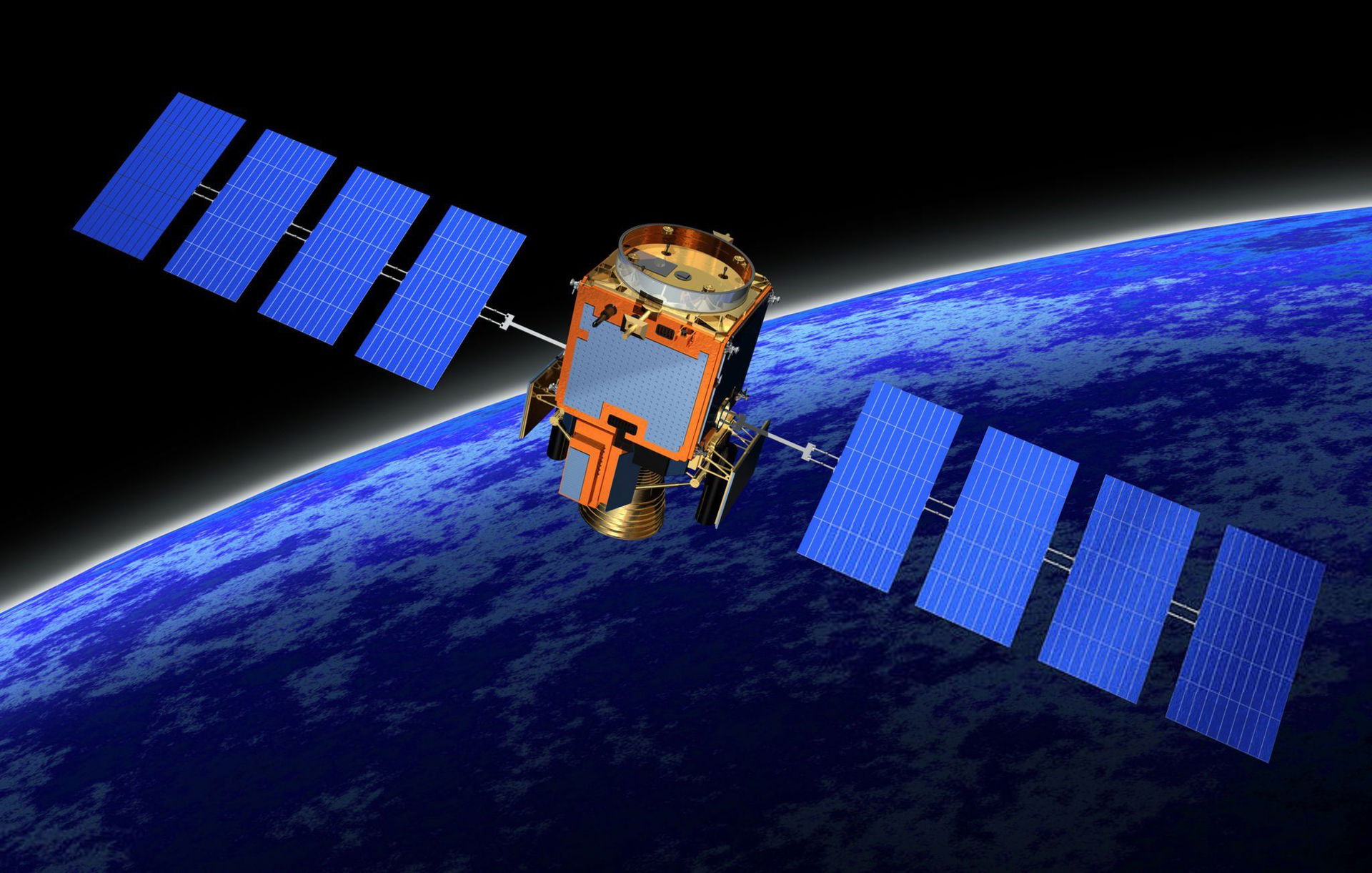
A satellite
How is a satellite walkie-talkie different from a regular one?
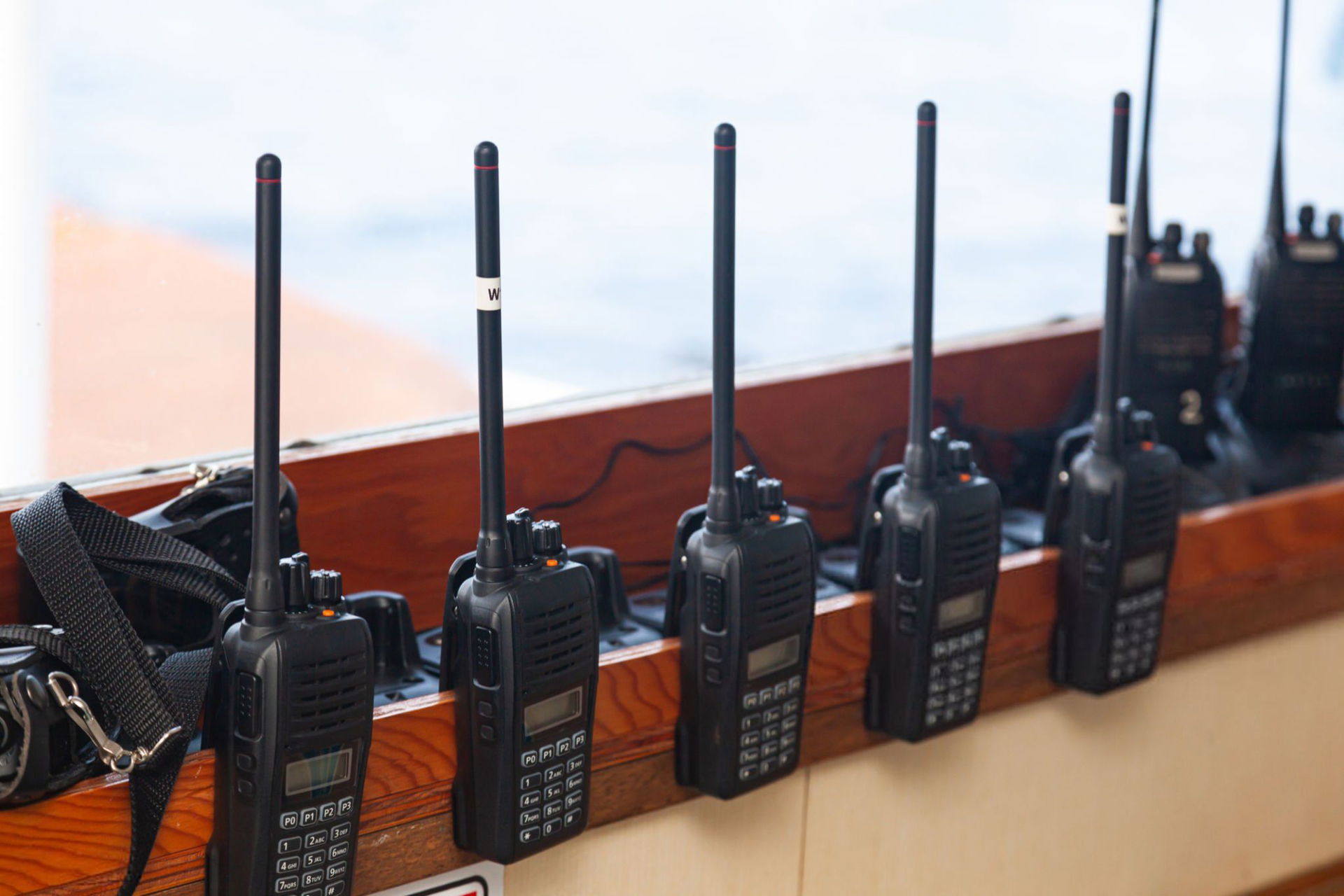
Satellite phones
Regular walkie-talkies use VHF/UHF waves, have a short range, and require repeaters. Satellite walkie-talkies, on the other hand, connect directly to satellites, enabling global communication without relying on ground infrastructure. Sounds "cool", but cities pose a significant challenge for them.
Challenges in the City
Among skyscrapers, satellite signals can be easily blocked – this is known as the "urban canyon effect". If you're standing on a narrow street with tall buildings on both sides, don't be surprised if the signal is intermittent. What about indoors? It's nearly impossible unless you have an external antenna. Dense tree canopies or overpasses can also hinder this device.
How to Use Effectively?
Want your satellite walkie-talkie to perform well in the city? It's simple:
- Find an open spot: Parks, rooftops, or open spaces between buildings are ideal.
- The antenna is key: Outdoors, the device's antenna is usually sufficient. Indoors, you'll need an external antenna connected to the outside.
- Choose a high-quality device: Models like Iridium or Inmarsat have better signal reception capabilities in urban environments.
When Should You Use It?
You don't need a satellite phone to call a colleague a few blocks away – a regular phone does that better. But when networks go down due to storms, floods, or when a suburb loses signal, this is a lifesaver. Rescue teams, crisis managers, and businesses needing stable communication favor it. Imagine a city-wide blackout, and you can still make calls – pretty cool, right?
Pros and Cons
Advantages:
- Global coverage, no fear of infrastructure disruption.
- A lifeline in emergencies.
Disadvantages: - Weak signal if obstructed.
- The cost of equipment and service isn't cheap.
Quick Tips
Before using, thoroughly check your equipment and register your service. Don't wait until you need it to find out your device is frozen! Also, standing in the right spot determines 80% of success – open space is gold.
Conclusion
Satellite phones can be used in the city, but you have to play the game right: choose a good location, have quality equipment, and know when to use it. It doesn't replace your daily phone, but it's the trump card when everything else fails. Have you tried one? Or are you considering buying one? Leave your thoughts below, and I'll help answer them!